Examining the budget challenges Pittsburgh is facing

Pittsburgh City Controller Rachael Heisler called the city's fiscal condition "precarious" last month, and Mayor Ed Gainey's administration concedes the concerns are real.
KDKA Lead Investigator Andy Sheehan examines how daunting the challenges facing the city are.
Is the city headed for a crisis, or is it already in crisis?
The city has a fleet of vehicles on its last legs and drastic understaffing, resulting in burnout and runaway overtime. The city is struggling to find the funds to protect the public's safety and provide basic services.
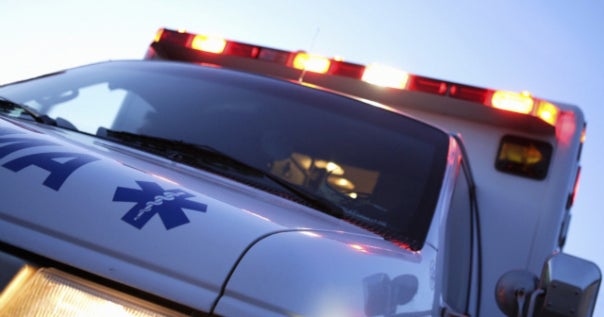
The problems are citywide, but can best be seen in the struggles of the city's EMS services.
"If you're having a medical event, or I'm having a medical event, do you want an ambulance that's older than the Bush administration to pick you up?" Heisler said.
At EMS, several frontline ambulances are out for repairs, forcing EMTs and paramedics to use older, less reliable units in their place.
Citywide, that goes for police cars, garbage compactors and public works trucks. But while the city's Equipment Leasing Authority says $200 million is needed for new vehicles, the city projects spending only $3 million a year for the next five years.
"The fleet situation is a crisis now," Heisler said.
Then there's staffing and overtime. A shortage of EMTs and paramedics means shuttered medic stations and round-the-clock shifts as they try to respond to 65,000 calls a year. In recent years, some paramedics have made upwards of $200,000 to $300,000. Ninety-five workers make more than $100,000, mostly in forced overtime.
But this year is worse than ever. The bureau has spent $4.2 million in overtime and premium pay, 119 percent of the money budgeted for the entire year. Citywide, 77 percent of the overtime budget has already been spent, and Heisler projects the city will need to shell out $20 million over budget in overtime to meet everyday demands.
"That is a significant increase and unsustainable," Heisler said.
The demands just continue to grow as the city struggles to financially meet them. Currently, three major bridges are shut down for repair: one is funded, but the other two are not.
At the same time, sources of revenue are drying up. The city has spent nearly all of its federal COVID relief funds, and since the pandemic assessments on Downtown office buildings have plummeted, a quarter of the real estate tax base has been cut in half.
Still, the outgoing Gainey administration says it is up to the task.
"The situation is certainly one that requires prudent management and careful consideration," Deputy Mayor Jake Pawlak said. "I wouldn't describe it as a crisis. I'd describe it as challenges we've been preparing for."
Pawlak concedes that for now, the city's needs are outpacing its ability to pay for them, but it is maintaining a healthy surplus, hasn't been running deficits and has a good bond rating.
He says the Gainey administration has been addressing problems like the fleet by using $20 million in COVID funds to buy new vehicles. It is trying to recruit more police and train EMTs in-house to increase staffing and change work rules in union negotiations to rein in overtime.
"It is a challenge that is perfectly manageable within normal administrative tools to manage spending," Pawlak said.