Meteorological vs. astronomical seasons | Hey Ray
You may have heard us talk about "meteorological seasons" that don't match up with the seasons you typically see on the calendar.
While that may sound weird, there is a reason meteorologists use these different dates.
First, let's define what the meteorological seasons are. Meteorological Fall occurs in September, October, and November.
Meteorological winter is December, January, and February.
March, April, and May are meteorological spring, and meteorological summer runs from June, July, and August.
These can differ a lot from the dates of Astronomical seasons, which coincide with the equinoxes and solstices. So why do we even use a meteorological version of seasons?
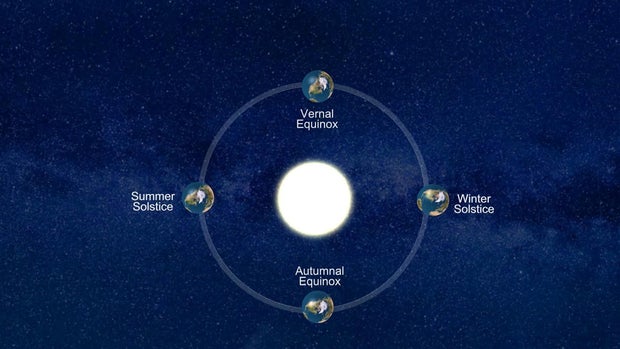
The meteorological version breaks each season down into three-month chunks, while the traditional, or astronomical seasons, have a differing number of days between each season because they are tied to the solstices and equinoxes.
Breaking the seasons into these three-month chunks simplifies record-keeping and the ability to share data. The other big reason we mention meteorological seasons is that the weather in the meteorological seasons more closely resembles the weather that is expected during the season.
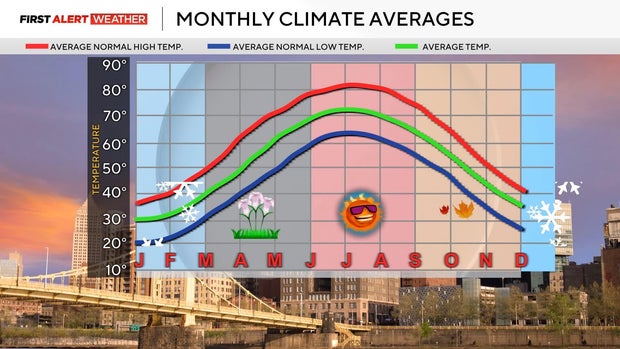
I mean, do the 21 days of Fall in December actually feel like Autumn?
The meteorological seasons are more in tune with the temperature changes throughout the year. When we break up the weather this way, it is easier to keep track of the weather and dermatological changes that occur during the meteorological seasons.
Leap years also make the astronomical seasons, or traditional seasons, a little more confusing.
Remember, there are more than 365 days in a year. Each year is actually 365.24 days, meaning every four years, there is another day added to the end of February.
That is known as a leap year.
This means the dates and times of the equinoxes and solstices can change from year to year. Meteorological seasons remain constant.
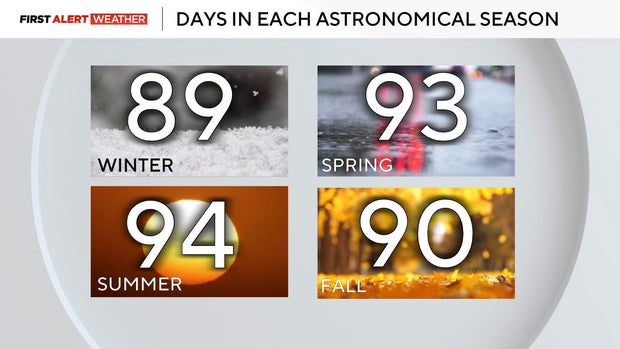
So, it may sound silly on the surface, but there are some good reasons we break up the seasons differently.