How wooly bear caterpillars can tell us about an impending winter | Hey Ray

Since the beginning of weather prediction, people have looked for ways to determine how bad or mild an upcoming winter will be.
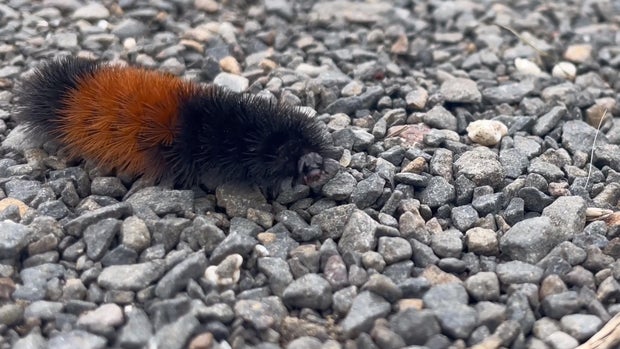
One way people have tried to look into the future is to look at the wooly worm or wooly bear caterpillar. The National Weather Service says there are two versions of the folklore.
One version states that if the wooly bear emerges in the fall and its coat is long, it will be a colder winter.
On the other hand, if the caterpillar has a shorter coat, the winter will be mild.
That makes sense, since we usually buy our coats before winter; the wooly bear seems to be doing the same.
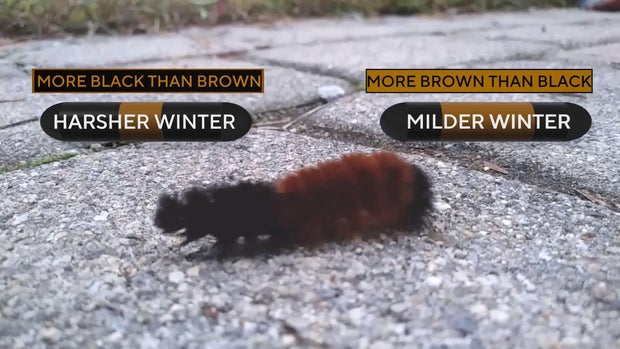
The other version is based on the wooly bear segments, along with their black and brown bands. The Missoula Butterfly House says the legend states that the 13 segments of the caterpillar's body represent the 13 weeks of winter. The width of the brown and black bands on the wooly bear is said to predict the timing and the severity of the upcoming winter.
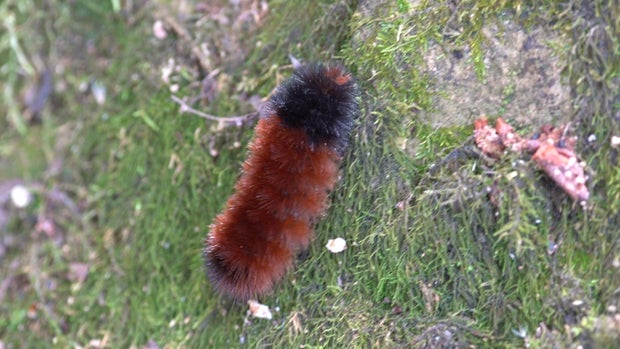
If a caterpillar has wider black bands, the upcoming winter is said to be more severe. Where those black bands are located is said to predict which parts will be the worst, too. If the black band is wider at the head, the beginning of winter, according to the folklore, will be harsher. If the tail end is wider, the end of winter will be worse.
The brown section is what is said to predict if winter will be mild. If the brown sections are wider, the upcoming winter will allegedly be mild.
So, is there any truth to this? The short answer is "no."
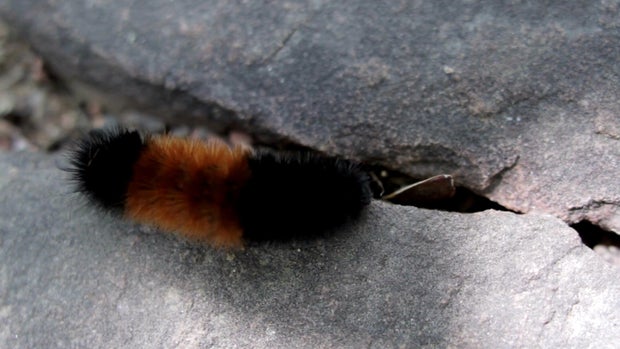
The University of Missouri Extension says the width of the brown stripe may be a better indication of the previous winter and spring than a prediction of the upcoming winter.
They state that the better the growing season, the bigger it will grow, causing changes in the brown stripe, and the color pattern for the woolly bear will change each time it sheds its skin, or molts, causing the brown stripe to get longer.
These caterpillars molt several times.
In the fall, I often get pictures of all-black or all-brown caterpillars, with questions about how severe of an upcoming winter that indicates.
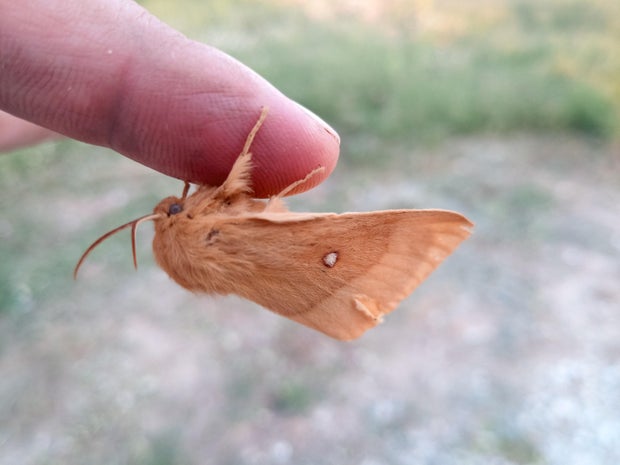
The thing is that these are not the same caterpillar.
Caterpillars are the larval stage of moth or butterfly development. They go into cocoons and eventually become a butterfly or moth. We are dealing with moths here.
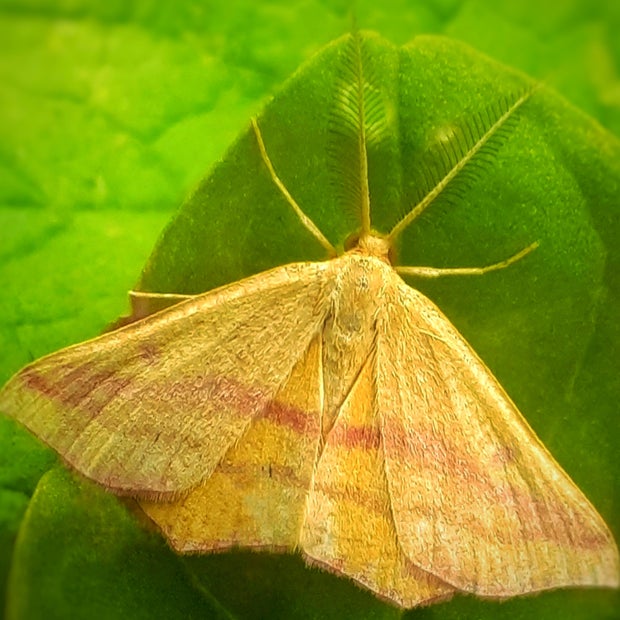
The wooly bear caterpillar results in the Isabella Tiger Moth.
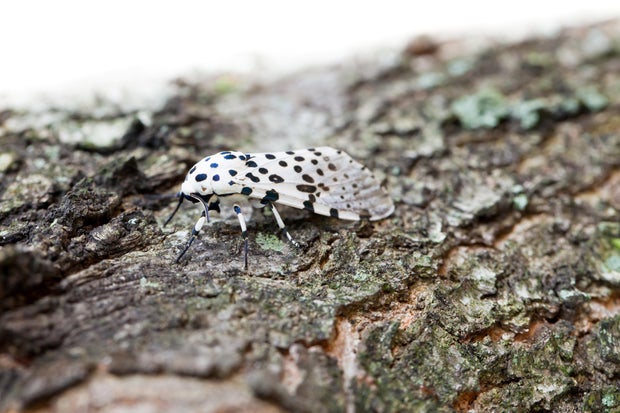
The all-black caterpillars are likely the larvae that result in the giant leopard moth.
If that caterpillar is all brown, that is likely the yellow bear caterpillar that will result in the Virginian tiger moth.