Gov. Shapiro says Pennsylvania is at the "epicenter" of bird flu outbreak: "We are obviously in crisis mode"
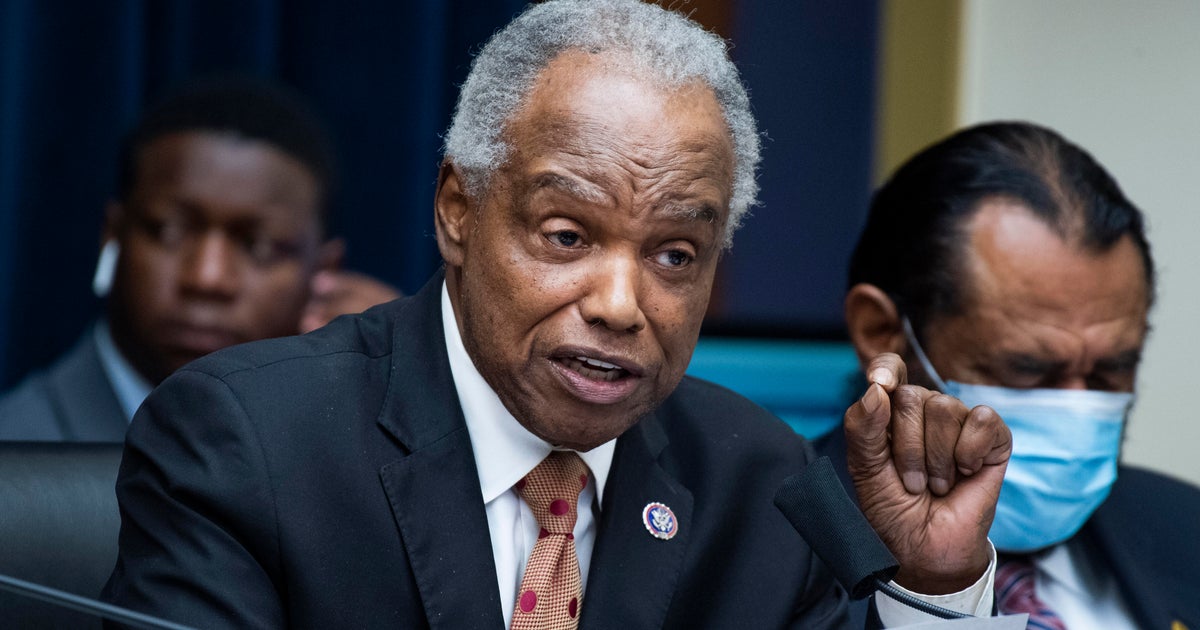
Pennsylvania Gov. Josh Shapiro met with farmers and state agriculture officials in Lancaster County Tuesday to discuss concerns about rising bird flu cases in the state.
Since the start of 2026, more than 7 million birds in commercial and backyard flocks in Pennsylvania have been affected by avian flu outbreaks, United States Department of Agriculture data shows. Most of those cases have been reported in commercial flocks in Lancaster.
According to the governor, this represents more than half of all avian flu cases in the United States.
"We are obviously in crisis mode when it comes to hi-path avian influenza," Shapiro said during Tuesday's roundtable discussion. "Pennsylvania is really, sadly, at the epicenter of this."
Shapiro said more than 100 federal and state staff members have been deployed across the Commonwealth, and that he authorized the hiring of 11 new personnel to bolster the avian flu response.
The governor added that he's been coordinating with the federal government to get more resources to Pennsylvania, including the help of a 25-person team from the USDA that is now on-site.
According to the governor's office, Pennsylvania has lost more than 14.3 million birds since the current bird flu outbreak first started back in February 2022.
"The ripple effect is certainly evident," PennAg Executive Vice President Chris Herr said of the avian flu's economic impact. "You have feed companies that were here, today those feed trucks aren't going out. There's service companies, so it's not just the farmers. So it'll be into the tens of millions of dollars when the economists look at this finally."
One of the questions Shapiro said farmers and poultry producers have brought forth is the possibility of a bird flu vaccine. The governor said he's working closely with Agriculture Secretary Brooke Rollins, but said it would take months to deploy a vaccine, if at all, and the rollout would likely be in the form of a pilot program.
When asked if he would support Pennsylvania being a pilot site, Shapiro reiterated that a vaccine would be months away. "We're having really good communication. [Secretary Rollins] understands that farmers and others are calling for it, that I've asked for it. And that we're going to work through it," he said. The governor said that at a federal level, trade is a complicating factor when it comes to getting a vaccine.
In addition to bird flu concerns among commercial and backyard flocks, the Pennsylvania Game Commission is asking the public to be on alert for sickness in wild birds as migration ramps up in the coming weeks. Symptoms of avian flu in birds include neurological signs like swimming or walking in circles, unnatural head tilts, tremors, seizures and difficulty flying.
Bird flu spreads through feces and saliva, which can impact other animals and humans. People who come across a bird that might be infected with avian flu are urged not to touch the animals and report the case to the Game Commission.
The most significant wild bird flu response happened this winter, back in December and January, when about 2,000 birds — most of which were snow geese — were found dead in a Northampton County quarry.
Last week, two parks in Pitman, New Jersey, were closed as officials investigated suspected bird flu infections among dozens of Canadian geese. About half a dozen municipalities in Gloucester County reported "an abundance of dead geese," officials said, and according to the New Jersey Department of Environmental Protection, more than 1,100 dead or sick wild birds were reported in the state from Feb. 14-16.