When should you go to the hospital for the flu? A Pittsburgh-area doctor weighed in.
Flu cases keep increasing, but at least one Pittsburgh-area emergency room doctor says not everyone needs to visit him.
As the highly contagious respiratory virus spreads, Dr. Brent Rau wants people to assess their symptoms at home first.
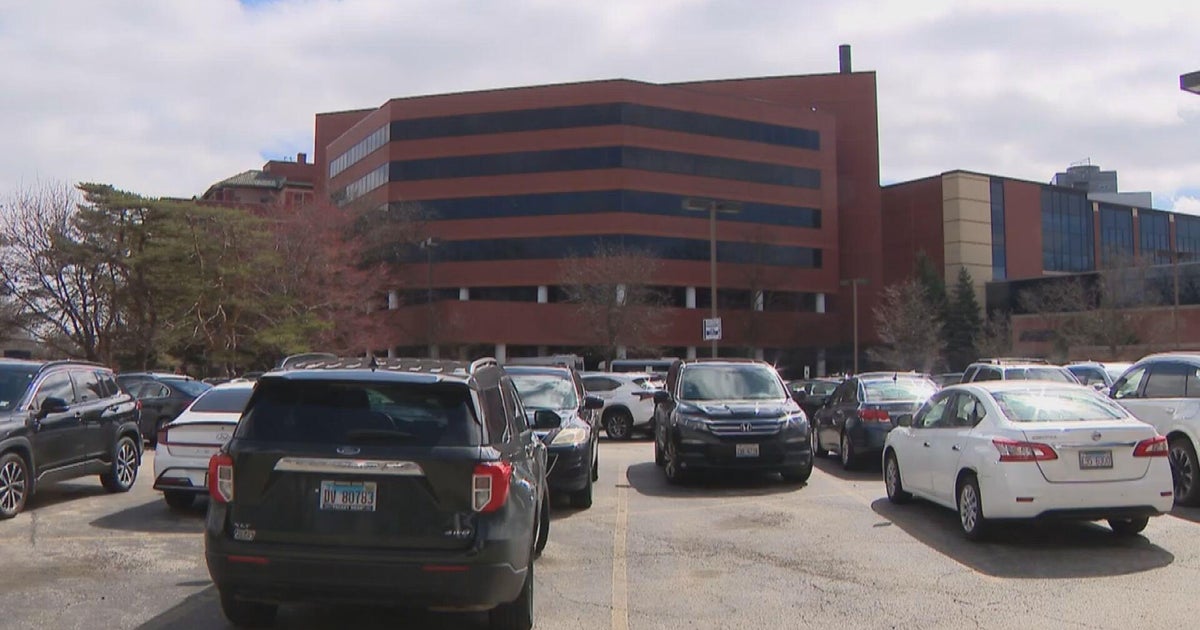
Dr. Rau serves as the head of Allegheny General Hospital's Emergency Department and tells KDKA-TV that he saw multiple positive flu tests in a 30-minute stretch on Tuesday.
"Over the last couple of weeks, we've gone from one to two [positive tests] a day to many, many a shift."
Dr. Rau says if you think you have the flu, there's a good chance you do. He first wants people to know when to stay home.
"If you're able to tolerate fluids, if you're able to still walk around your house without getting very short of breath, generally, you can stay home."
But he adds that if you're dealing with other health problems, such as heart problems, a history of heart failure, uncontrolled diabetes, or if you're unable to tolerate fluids, it's best to head to the hospital. Patients can expect to get swabbed for the flu test, some possible chest X-rays, and receive IV fluids.
"Certainly, another one would be in your profoundly short of breath to the point where you can't walk across the room without gasping; those are patients we want to see," said Dr. Rau.
KDKA-TV also asked him about another surge, one of popularity on social media. Some people are swearing by using disinfectant spray containing hypochlorous acid.
Dr. Rau says it can help, but likely won't prevent the flu.
"I think you can do some things to make it less likely to transmit," said Dr. Rau. "Disinfecting things, whether it be the things we see on Instagram or TikTok, as long as it's shown to have disinfectant that's not going to be unhealthy to touch or to kids, it's reasonable to do so."
Dr. Rau says the more people who go to the hospital without really needing to, the longer the wait times and just more overall stress on our hospital systems.
KDKA-TV also reached out to UPMC, which is seeing an uptick in its hospitals, with people at either end of the age spectrum, or with underlying conditions, struggling the most.