Since explosion at U.S. Steel plant in Clairton, concerns surround limited coke-making capacity

U.S. Steel Clairton Coke Works' current limited coke-making capacity due to Monday's explosion is prompting concerns from some steelworkers that the plant won't produce enough coke for U.S. Steel's blast furnaces.
U.S. Steel executives have shared that they are making enough coke. Don Furko, the former president of USW Local 1557 who works at Clairton, first shared concerns about the plant's production levels in 2024 after battery 15 permanently shut down.
"It makes it so that we need every ton of coke that we can possibly make," Furko said in June 2024. "In other words, if we were going to lose one more batter,y we wouldn't be able to feed all the blast furnaces that the company currently runs."
That would be devastating, Furko said in 2024, potentially leading to job losses.
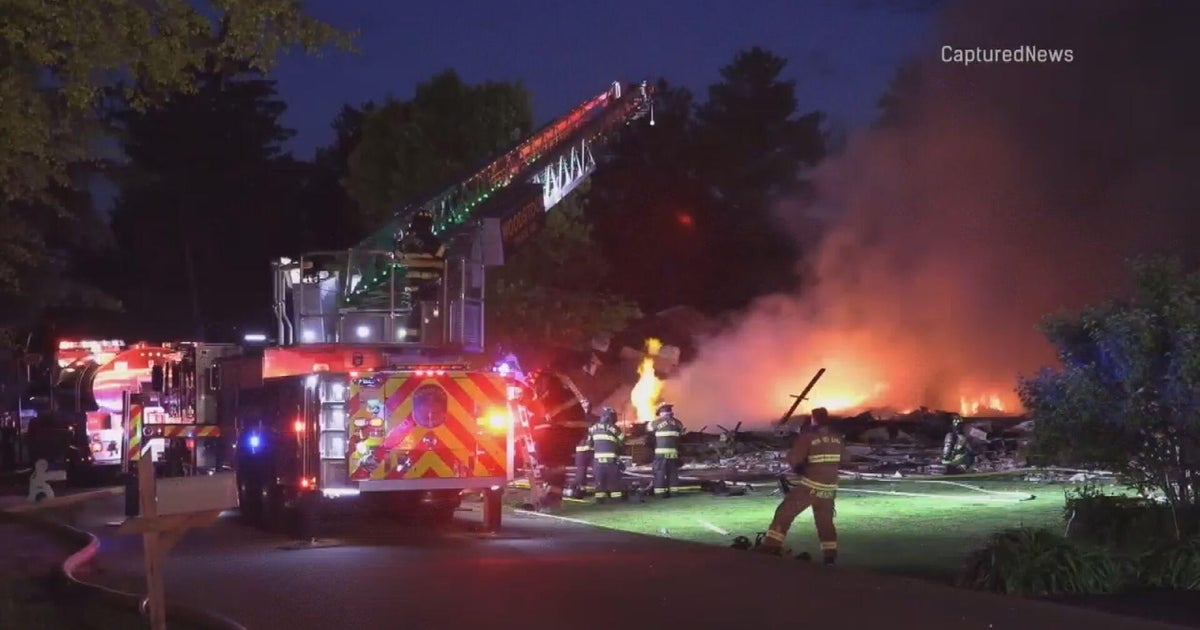
Now, multiple additional batteries are offline due to Monday's explosion. Batteries 13 and 14 were damaged in the explosion, and it's unclear if they could be repaired.
Out of an abundance of caution, U.S. Steel executives say they took other batteries offline, with just a single "coke unit" still operating, company executives said during the evening following the explosion. Multiple sources at the plant told KDKA on Thursday afternoon that the plant has begun to increase coke production.
In a call with KDKA on Thursday, Furko reiterated his concern that with additional batteries offline, the plant may be able to produce enough coke to keep the company's blast furnaces located, he said, in the Mon Valley and Ohio operating at capacity. He added his top concern was, of course, for the injured steelworkers and the families of steelworkers who died in the explosion.
On Monday, when KDKA asked U.S. Steel executives about the amount of coke they were producing, Kurt Barshick, the vice president of the Mon Valley Works, said they were still making "limited coke," stressing it was not their priority at the moment.
During a Tuesday press conference, KDKA asked if they are producing enough coke to fuel their furnaces at capacity. Scott Buckiso, U.S. Steel's chief manufacturing officer, said they are.
"We have contingency plans in place all the time to make sure that you know if something like this happens, we're able to do what we need to do, but our first priority is with the families," Buckiso said.
Furko believes U.S. Steel may have to effectively outsource the coke it needs for its blast furnaces to a supplier outside the company. Asked why that's an issue, Furko said its coke is better than the coke from other companies.
Coke batteries act like an industrial oven, baking coal as it is turned into coke, an essential ingredient in making steel across the Mon Valley Works. The Clairton Coke Plant is the largest coke-making facility in the country.
Connection between batteries 13 and 14 with battery 15
Battery 15 was permanently shut down following a lawsuit filed by environmental groups. It stems from a massive Christmas Eve fire at the plant in 2018, when there were thousands of air pollution violations, according to PennEnvironment.
Batteries 13 and 14, where Monday's explosion took place, share with battery 15 what county records consider a "control device."
Multiple steelworkers have shared with KDKA that the three batteries share the same reversing room, which they say is roughly the specific spot where the explosion took place. The room, they explained, is used to make sure coal bakes evenly.
The batteries were built in the mid-1970s, Furko said
Allegheny County Health Department worker injured in explosion
An Allegheny County Health Department employee was injured in Monday's explosion.
They, along with another health department employee, were performing a routine inspection of the plant when the explosion took place. The injured employee was hospitalized and released the same day