Eagle rescued in York County dies of lead poisoning, prompting message to hunters
A bald eagle rescued in York County, Pennsylvania, died of lead poisoning, prompting a wildlife center to urge hunters to reconsider what kind of bullets they use.
The Raven Ridge Wildlife Center in Washington Boro said the Pennsylvania Game Commission brought them the eagle, which was having a hard time standing and didn't fly away when it was approached.
The wildlife center said tests confirmed the eagle had lead poisoning. Shortly after it was admitted, the eagle started having seizures.
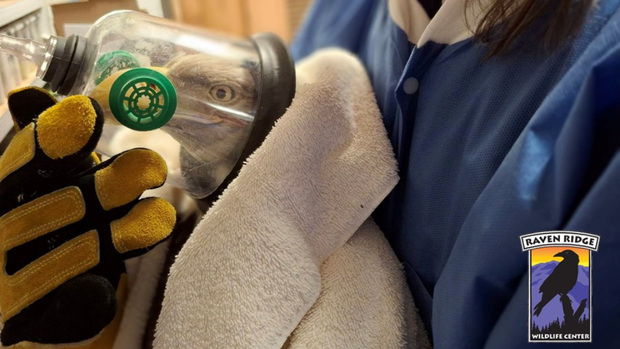
Rescuers took the eagle to an animal hospital, but despite medicine, the bird continued to shake and was having a hard time breathing. The eagle relaxed after it was given oxygen, but the wildlife center said that despite their best efforts, the "beautiful" bird died overnight.
How lead bullets hurt eagles
Now the Raven Ridge Wildlife Center is warning hunters against using lead.
According to the National Park Service, most lead-core rifle bullets fragment into hundreds of tiny pieces when they hit an animal. Lead-tainted meat then becomes part of a scavenger's food supply. And while eagles are known for their hunting powers, they'll eat pretty much anything, including carrion.
The wildlife center said lead poisoning impacts nearly 50% of studied bald eagle and golden eagle populations. The neurotoxin leads to severe neurological damage, paralysis and ultimately starvation, peaking especially in the winter, the wildlife center said.
"We urge all sportsmen to make responsible choices while hunting or fishing—specifically, to opt for lead-free alternatives," the center wrote in a Facebook post. "Non-lead bullet options, such as copper, steel, bismuth, and tungsten, provide non-toxic, high-performance solutions for hunting and shooting. These materials help minimize environmental contamination and wildlife poisoning. Copper is particularly suitable for rifle hunting, while steel and bismuth are commonly used in shotguns."