Seasonal affective disorder or winter blues? Pittsburgh psychiatrist explains the difference.
Southwestern Pennsylvania's cold and snowy winter is taking its toll on more than just our roadways and walkways. For some, it's also taking a toll on our mood or mental health.
Winter 2026 will go down in the record books on several fronts. From snowfall to sub-freezing temperatures, this harsh winter has left many cold to the bone, from the physical to the emotional.
Seasonal affective disorder or winter blues?
KDKA's Barry Pintar asked AHN psychiatrist Dr. Alicia Kaplan if there's a difference between the winter blues and seasonal affective disorder.
"It's really on a spectrum," Kaplan said. "So what I mean by that is some people have very mild symptoms."
If you're down and out because it's cold, you're inside all the time and you just want the sun to come out, but you're still functioning through life, that's the winter blues.
People with seasonal affective disorder show classic signs of depression: sleeping a lot, not feeling like they can face their day, changes in eating and so forth.
"In the United States, about 5% of people have seasonal affective disorder, but more common, like about 15%, is what we call the winter blues," Kaplan said.
Treating seasonal affective disorder
For the 5%, she says it's worth seeking professional help — everything from talk therapy or light therapy to, at times, medication.
For the 15%, there are some things you can do to feel better. The U.S. Department of Health and Human Services recommends going outside in the sunlight, doing something you enjoy, spending time with friends and family, eating healthy and avoiding foods with lots of sugar.
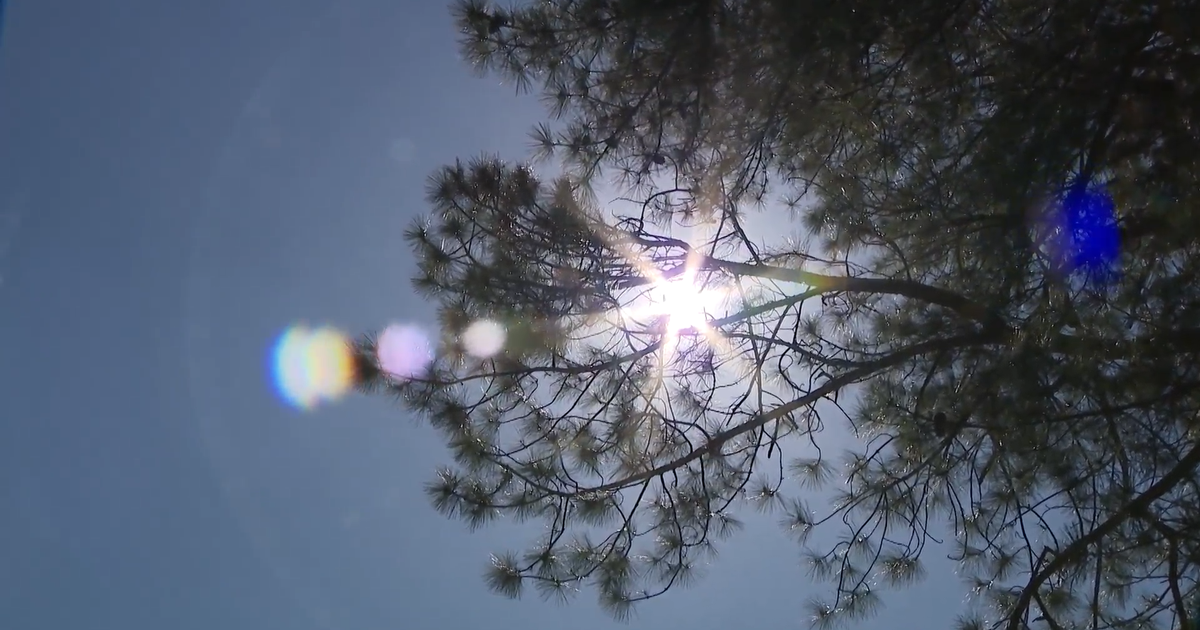
Kaplan said this weather invokes "a lot of dread and gloom" in people.
The bottom line is that it's important to realize the lack of light this time of year coupled with the cold physically and psychologically affects you. A lack of serotonin and melatonin and other chemical changes can definitely affect your mood.