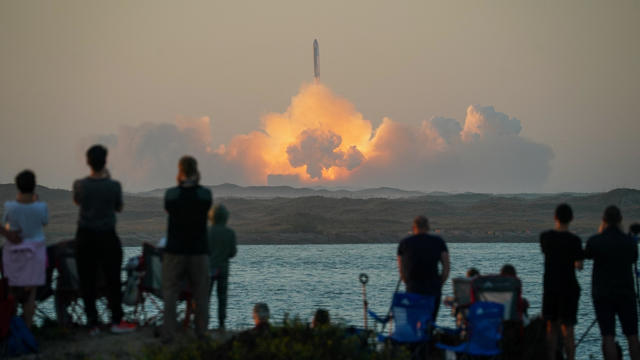
SpaceX launches Super Heavy-Starship rocket but test flight falls short
Seven months after a catastrophic failure, SpaceX launched its Super Heavy-Starship, the most powerful rocket ever built, but once again ran into problems.
Watch CBS News
Seven months after a catastrophic failure, SpaceX launched its Super Heavy-Starship, the most powerful rocket ever built, but once again ran into problems.
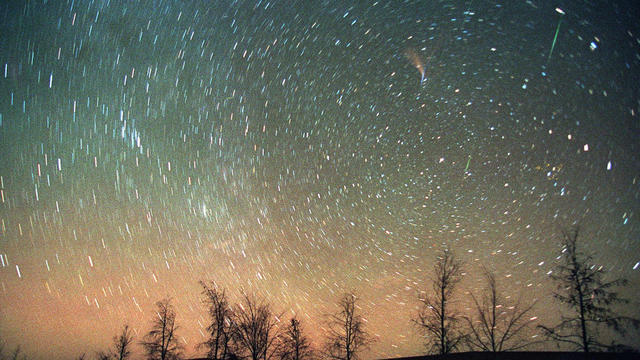
The Leonid meteor showers are fast – streaking by at 44 miles per second, according to NASA. Still, some stargazers can see them at their peak this week.

You can track where the tool bag is in its orbit around Earth.

Frank Borman flew on the Apollo 8 mission, the first NASA mission to leave low Earth orbit and reach the moon.
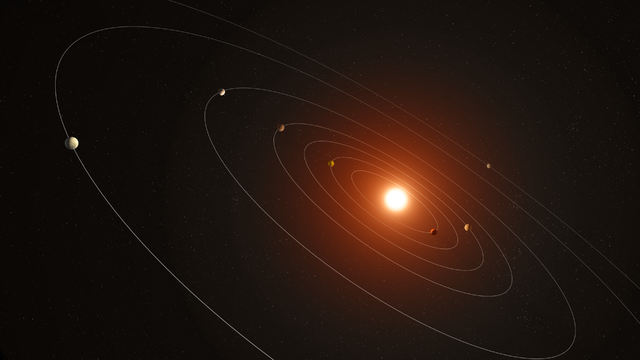
NASA described the planets as "scorching" and "bathed" in heat emitted by a distant host star.
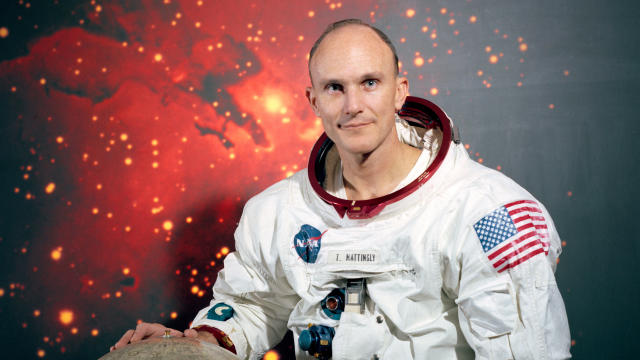
Mattingly was also known for being removed from the ill-fated Apollo 13 crew 72 hours before its scheduled launch.
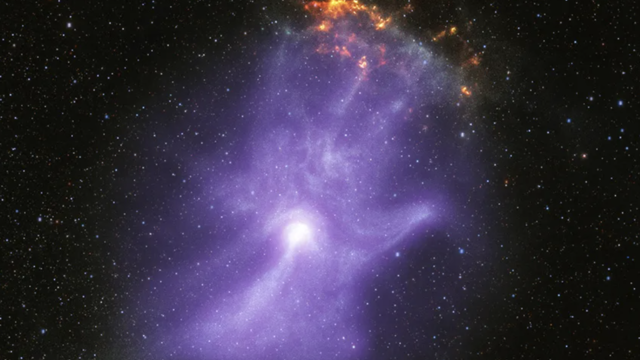
NASA's Imaging X-Ray Polarimetry Explorer telescope studied the nebula for about 17 days, the agency said, marking the longest time it has focused on one object.
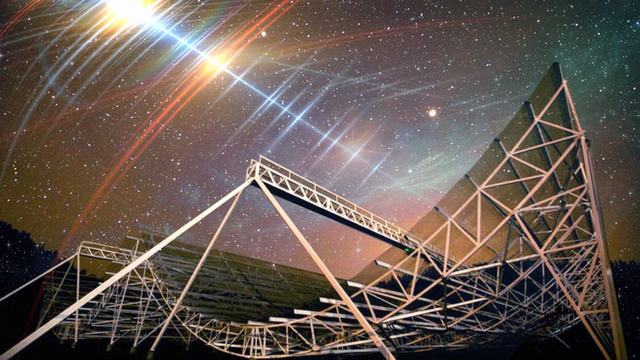
Exactly what causes fast radio bursts has become one of astronomy's great mysteries.
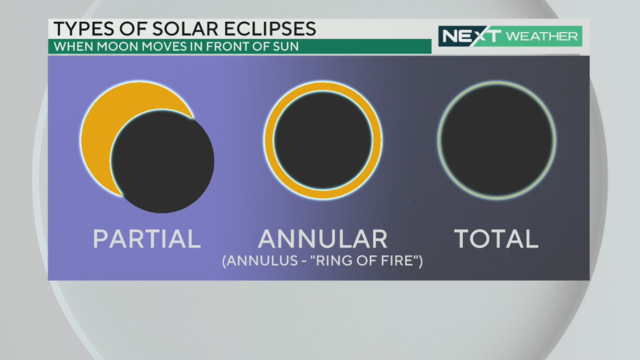
Cloud cover will likely block our chance at viewing a partial solar eclipse in our region Saturday afternoon.
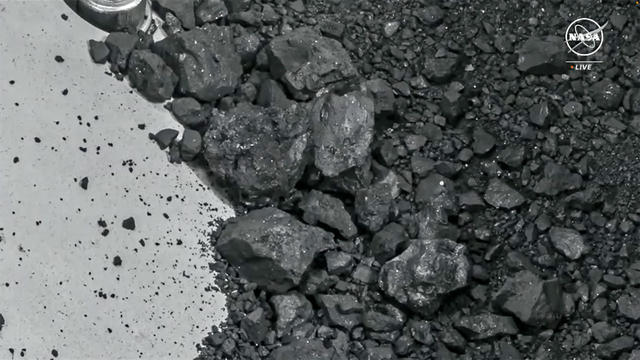
Water-bearing clays found in rocks from the asteroid Bennu support theories about how water may have made it to Earth in the distant past.
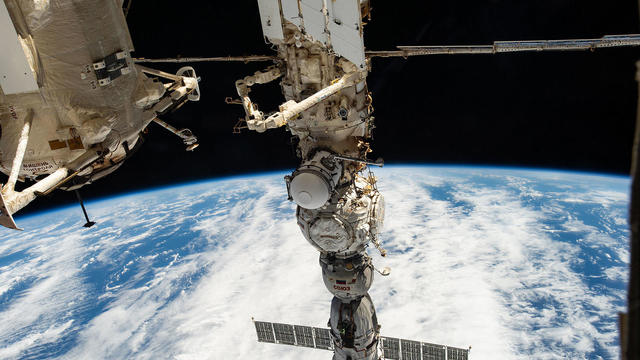
It's the third leak of heat-dissipating coolant on the International Space Station in less than a year, but officials say the crew is in no danger.
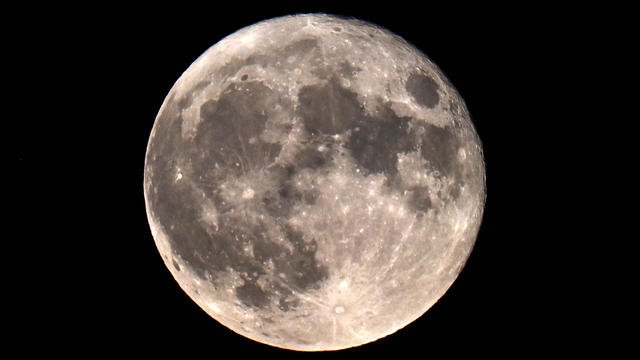
September's full moon, also known as the harvest moon, will be the last of four consecutive supermoons.
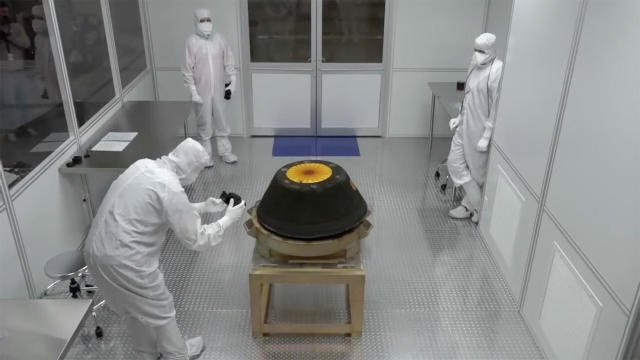
In a dramatic 13-minute plunge back to Earth, the OSIRIS-REx sample return capsule safely landed in Utah after seven years in space.
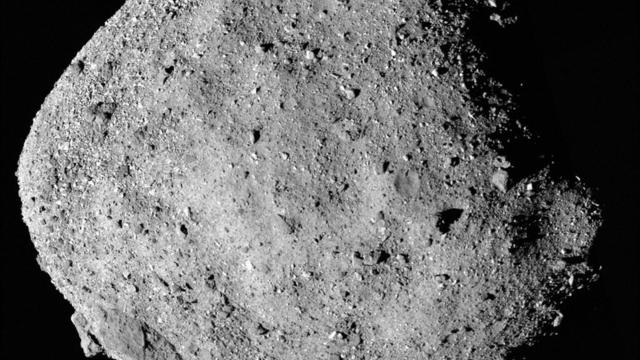
The OSIRIS-REx sample return in Utah will bring a seven-year, four-billion-mile journey to a close, providing insights into the birth of the solar system.
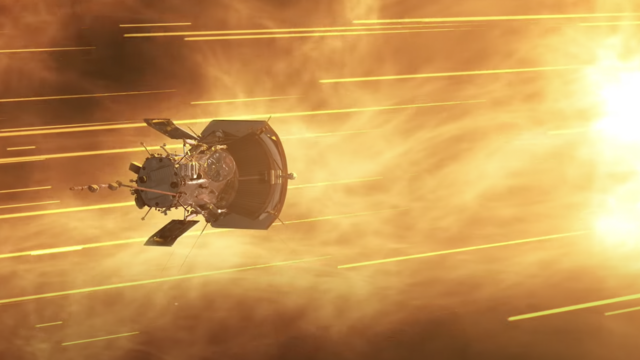
NASA called the Parker Solar Probe's flight "not only an impressive feat of engineering, but a huge boon for the scientific community."