Some of the most iconic costumes in Black cinema from "Sinners" to "Black Panther" on display in Philadelphia

An exhibit in Philadelphia celebrates an Oscar-winning costume designer who's helped shape some of the most iconic images in Black cinema.
At the African American Museum in Philadelphia, you can see Smoke and Stack's pinstripe suits from "Sinners," the suit from "Black Panther" and remember Spike Lee classics like "School Daze," "Do the Right Thing" and "Malcolm X."
Through Sept. 6, AAMP is exhibiting "Ruth E. Carter: Afrofuturism in Costume Design."
Carter is well known for her multiple collaborations with the two directors and others. We spoke to Carter about what it takes to create some of Hollywood's most memorable looks.
"I'm telling the unique story of people who built this country," Carter said.
This is a traveling exhibit, but Philadelphia is the first stop showcasing the iconic costumes from "Sinners."
"You get to see the Detroit red, and you get to see the costumes and the way they accentuate those personalities," said Michael Wilson, assistant curator and visual learning specialist at AAMP.
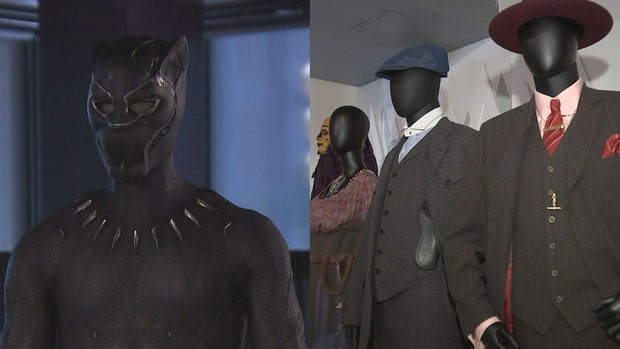
AAMP has brought in more than 80 costumes as part of the exhibition.
"Her exhibition creates so many avenues to talk about aspects of culture, history and artistic design," Wilson said.
There are countless stories woven into Carter's works in the exhibit spanning more than three decades. It also includes pieces from "Selma," "Amistad" and "The Butler."
One of her most challenging designs was the suit in "Black Panther."
"Where you see the thick black skin of the Black Panther suit, I wanted it to be really thin, and I wanted you to see the silver vibranium muscles underneath it," Carter said.
But on set, the thin build of the costume caused some trouble for the late actor Chadwick Boseman.
"Every time he was on set, he did his karate kick or punches, he would blow his pants. That was pretty embarrassing," Carter said.
The exhibit is on display as AAMP also celebrates its 50th anniversary.
"They will take the pieces from Ms. Carter's life and how she came to be an ordinary person making extraordinary contributions," museum CEO and President Ashley Jordan said.


