Rock salt could enter Philadelphia drinking water supply as snow melts across the region

As the piles of snow and ice covering the Philadelphia region begin to melt, some of the rock salt used for de-icing can end up in the drinking water supply, and that can be a concern for people on salt-restricted diets.
"Salt in the waterways has been doubling about every 20 years," John Jackson, a senior scientist at Stroud Water Research Center, an independent nonprofit in Chester County, said.
Jackson says rock salt in the snow melts into the main sources of local drinking water, including the Schuylkill and Delaware rivers.
"So a drinking water supply on average might have 10 times normal, 30 times normal, depends on the location," Jackson said.
Rock salt used on roads and sidewalks is sodium chloride — basically the same as table salt, which can be harmful.
"It's especially hazardous for people in high-risk groups, but excess salt is a potential danger for everyone," Dr. Arthur Frank, an environmental health expert at Drexel University, said.
Frank says salt causes the body to retain water, increasing blood volume, which can be dangerous for some people.
"It's the sodium that's causing the difficulty with the strain on the kidneys," Frank said. "Raising blood pressure, ultimately adding to cardiovascular risk."
Experts say there aren't any federal regulatory limits for sodium in drinking water, because it's not considered highly toxic.
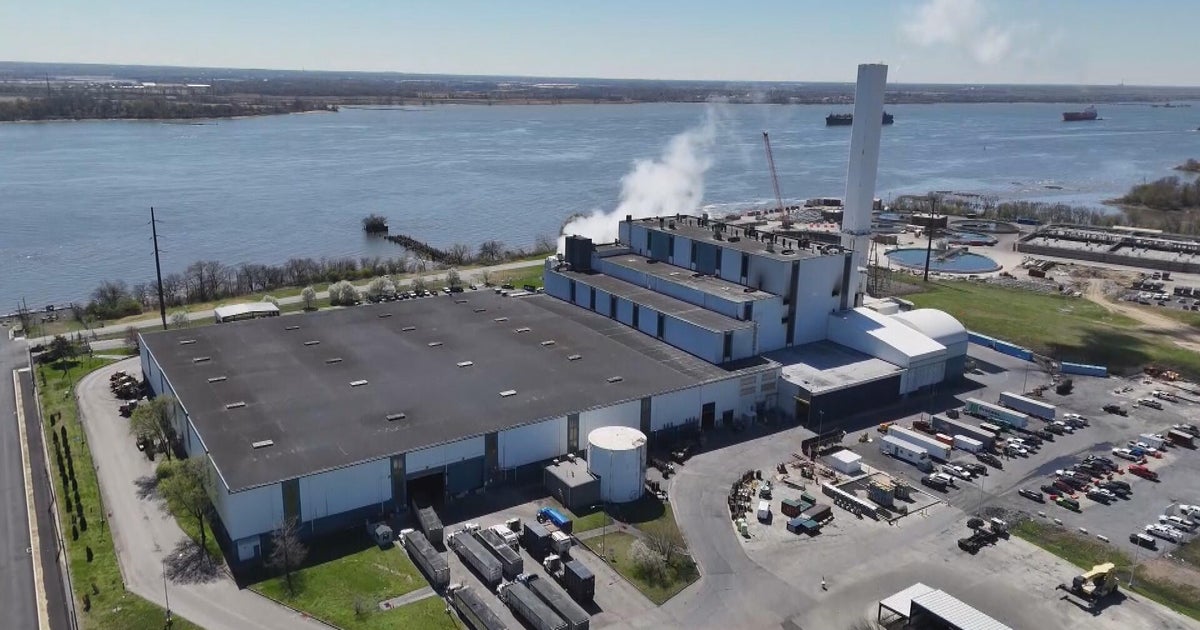
The Philadelphia Water Department, the largest provider in the region, said in a statement that it's monitoring the minerals to ensure that the city's drinking water meets federal and state regulations.
The water department says that because of the snow melt, consumers may notice a slightly salty taste in the drinking water for a few days.
Doctors say people on salt-restricted diets should consider household water filters or using bottled water.