6 Philadelphia principals urge City Council to pass Cherelle Parker's ride-hailing tax

Principals from six Philadelphia schools are urging City Council to approve Mayor Cherelle Parker's $1-per-ride tax on Uber and Lyft trips, arguing it would help close the School District of Philadelphia's $300 million budget deficit.
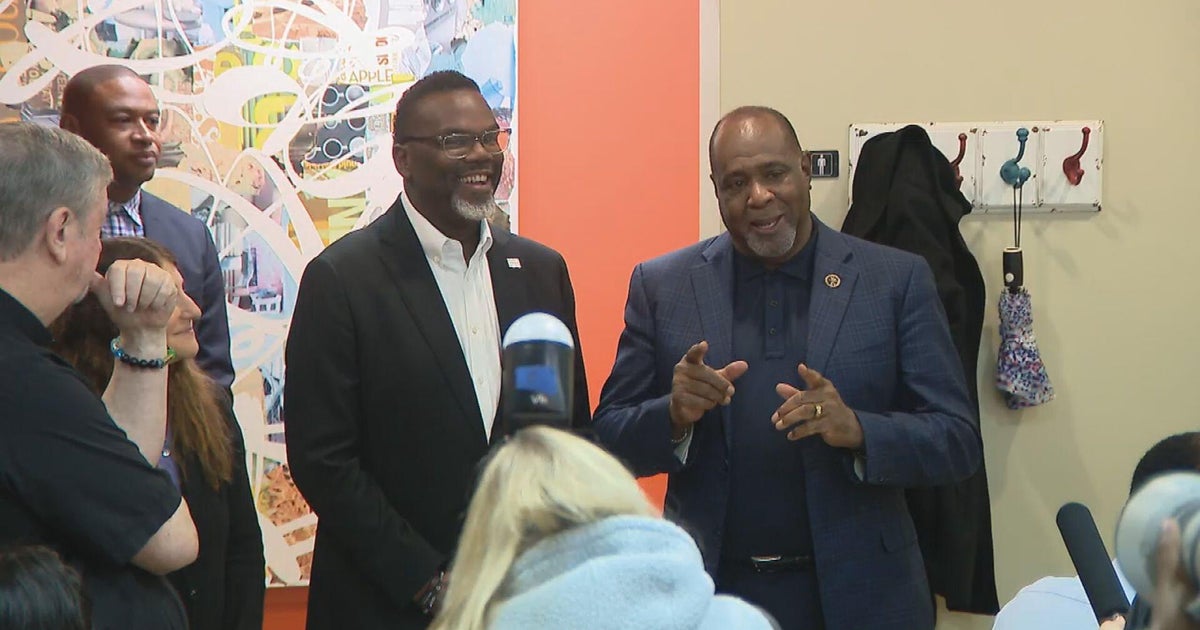
Teamsters Local 502, the union that represents administrators with the School District of Philadelphia, made the push during a news conference Tuesday morning at Potter-Thomas Elementary School in North Philadelphia.
"The rideshare funding is not a luxury," KaTiedra Argo, principal at Philadelphia High School for Girls in Logan, said. "It is a lifeline."
City officials estimate the tax could generate about $48 million annually for schools starting in 2028. Without it, district leaders warn as many as 340 school-based positions could be eliminated, including teachers, counselors and behavioral support staff.
"I am here because the students of Philadelphia deserve better, and this rideshare tax is an investment in their future," Megan Wapner, principal at James Rhoads School in West Philadelphia, said.
Don Anticoli, guest principal at Edward Heston School in West Philadelphia, said the cuts would be devastating. He said his school alone could lose more than a third of its staff.
"Can the Sixers play with three out of five players?" Anticoli said. "Can the Eagles play with seven out of 11? No. Then why do we have to play with 37% less?"
Uber and Lyft have strongly opposed the proposal. Uber argued the added cost would be passed on to riders and could reduce driver earnings. But supporters of the tax said the cost should not fall on riders.
"They [rideshare companies] can take it right off their $20 million bonuses," Robin Cooper, president of Teamsters Local 502, said. "They can give it right back to the community that made them the billionaires that they are."
But some riders and city council members have questioned the proposed ride-hailing tax.
"There are pros and there are cons," City Councilmember Isaiah Thomas said. "We're trying to figure out what kind of impact the negative side of the tax could have, and could it create some unintended or ill-advised consequences."
If approved, the tax would take effect Jan. 1 as part of Parker's budget plan. City Council has until June 30 to finalize the budget.