Ex-Philadelphia mayor's executive order to rename Columbus Day to Indigenous Peoples' Day is invalid, court rules
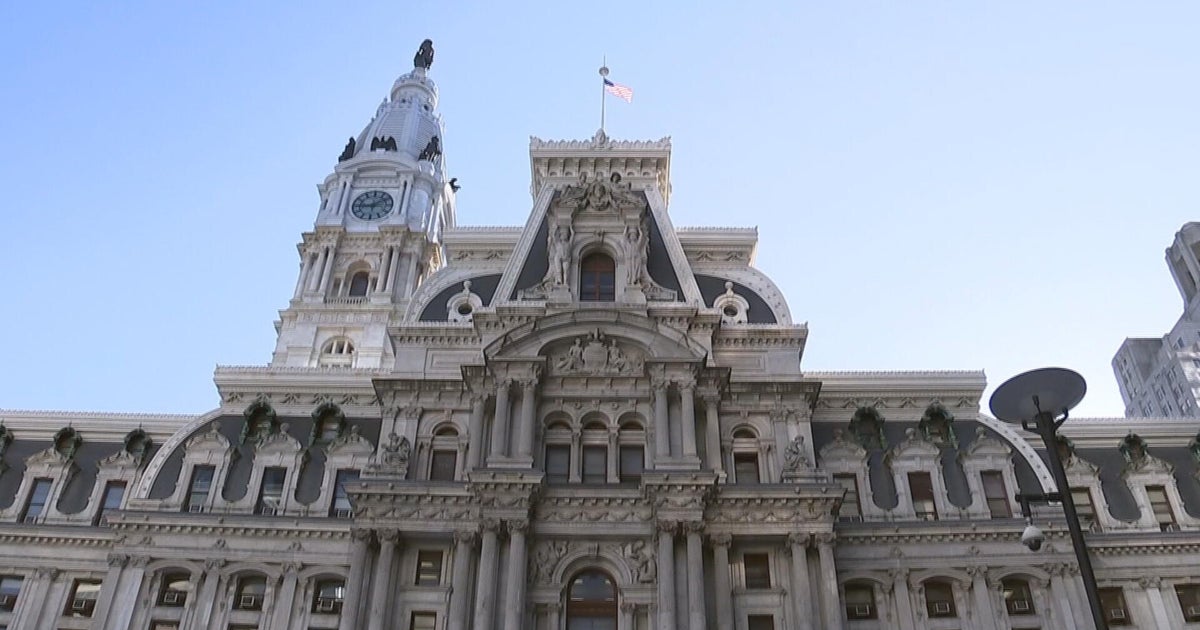
Former Philadelphia Mayor Jim Kenney violated the City Charter in 2021 when he signed an executive order to rename Columbus Day to Indigenous Peoples' Day, a Pennsylvania Commonwealth Court ruled Wednesday.
"It therefore runs afoul of the separation of powers inherent in the Charter and, accordingly, is invalid," Judge Patricia A. McCollough wrote in the opinion. "On this ground, we must reverse the trial court's order."
The lawsuit was filed by the Conference of Presidents of Major Italian Organizations, Councilmember Mark Squilla and others.
The appeals court ruled that Kenney didn't have the power to rename Columbus Day, and that it would be up to City Council. It's unclear if they'll take action.
The appeals court noted that Congress establishes federal holidays, and that Pennsylvania state holidays are established by the General Assembly in Harrisburg.
In the 2021 executive order, Kenney also made Juneteenth a holiday in the city. The appeals court said that Kenney making Juneteenth a city holiday stands in contrast to renaming Columbus Day to Indigenous Peoples' Day because it had already become a state holiday in 2019 under former Gov. Tom Wolf.
"These reflect two different acts of the Mayor: one administrative and presumably valid, and one legislative and unauthorized by the charter," the appeals court wrote.
Christopher Columbus has been a source of tension in the city for years.
In 2020, the Columbus Statue in South Philly at Marconi Plaza came into the focus of racial justice protests following the death of George Floyd in Minneapolis.
Kenney's administration put a box around the Columbus Statue in 2020. Two years later, a Pennsylvania Commonwealth court ruled the box to be removed.