Can you qualify for debt forgiveness if you're still making minimum payments?
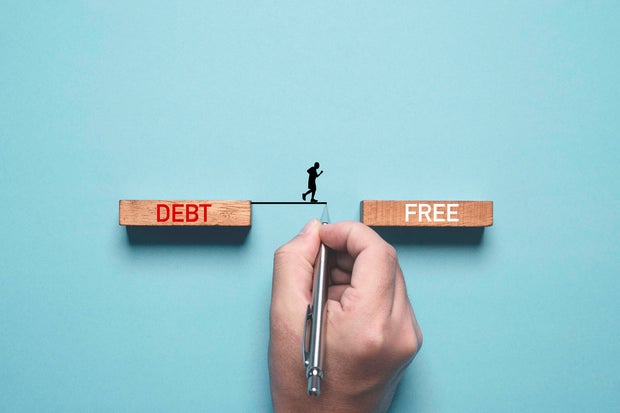
When your finances are stretched and your debt payments are due, finding ways to stay current on your credit card bills feels like the responsible thing to do, even if it means sending only the minimum payment each month. Doing so keeps late fees at bay, protects your credit from immediate damage and offers the reassurance that you're still meeting your obligations. But after months or even years of making just the minimum payments, you may wonder why the balance barely seems to move.
Part of the issue is that interest charges compound on revolving credit card debt, and when you're dealing with interest rates that are 21% or higher on average, it's easy for your balance to grow quickly. Add in the fact that the majority of the minimum payments go to cover the interest charges instead of reducing the principal, and it's clear why paying only the minimum each month won't make much of a dent in the balance.
If you're in this position, it can be hard to find a way out — and you may assume that debt forgiveness isn't an option because you've continued paying your bills on time. But is that actually the case, or can you qualify for this type of debt relief when you're still making minimum payments each month?
Find out how to get help with your high-rate debt today.
Can you qualify for debt forgiveness if you're still making minimum payments?
In general, yes, you may still qualify for debt forgiveness, even if you're current on your monthly payments. After all, your payment history isn't usually the deciding factor for whether you qualify for this type of relief. What typically matters more is your underlying financial picture: your income relative to debt load, the total balances across accounts and whether the trajectory is sustainable for your finances.
Debt relief companies, for instance, will typically look at a borrower's overall debt-to-income ratio and whether they're relying on credit to cover essential costs, not simply whether a payment was missed, to determine whether they qualify. Someone making minimum payments on multiple cards while falling behind on rent or dipping into savings each month may still qualify to enroll in a settlement program because the math doesn't work long term — even if the account isn't delinquent yet.
That said, some paths do favor missed payments. It's generally easier to navigate the settlement process when your debt is already delinquent, as creditors and debt collectors will have to weigh whether it's worth turning down a settlement offer and risk getting nothing if your account remains in default. And, if you're enrolled in a settlement program through a debt relief company, the negotiations generally don't begin until your accounts become delinquent.
Credit card issuers' hardship programs, which can include temporary rate reductions or short-term forbearance, are also typically easier to access once an account shows signs of strain. A call to customer service, a documented change in circumstances like job loss or medical bills or a missed payment could be enough to get the help you need. If you're still current on your monthly payments, though, you'll need to actively request these accommodations, as they won't be offered automatically.
This doesn't mean you should intentionally stop making payments on your own. Doing so without a structured plan in place can trigger late fees, collection efforts, lawsuits and significant credit score damage. So, if you're considering debt forgiveness, it's important to speak with a reputable debt relief provider first to understand the risks, timeline and alternatives before making any decisions about your accounts.
Learn more about the debt forgiveness options available to you now.
How do you know when debt forgiveness makes sense?
Debt forgiveness can provide significant savings for the right borrower, but it isn't the best solution for everyone. If your balances continue to grow despite consistent payments, you're relying on credit cards to cover expenses or your debt will take decades to repay, it may be time to explore this option. Or, if your financial situation has changed because of reduced income, unexpected medical bills or another hardship, continuing to make minimum payments may simply delay a larger financial problem.
On the other hand, if you can comfortably afford more than the minimum payment and have a realistic path to paying off your balances, you may benefit more from strategies that preserve your credit. Consolidating high-rate debt into a lower-rate loan or working with a credit counseling agency on a debt management plan could reduce borrowing costs without many of the credit consequences associated with debt settlement.
It's also important to weigh the tradeoffs before pursuing debt forgiveness. Settling debt for less than the full balance can negatively affect your credit score and forgiven debt could have tax implications. Understanding those consequences beforehand can help you decide whether the long-term savings outweigh the short-term drawbacks.
The bottom line
A clean payment history isn't a barrier to debt forgiveness, and it isn't automatic disqualification either. What matters most is the full financial picture: income, obligations and whether the current payment plan is actually shrinking the debt or just servicing it. If you're unsure where you stand, it could make sense to chat with a debt relief expert or credit counselor, who can assess whether debt management, debt settlement or another option fits your situation — without requiring a missed payment first.