How much can you sell a 100-ounce bar of gold for right now?
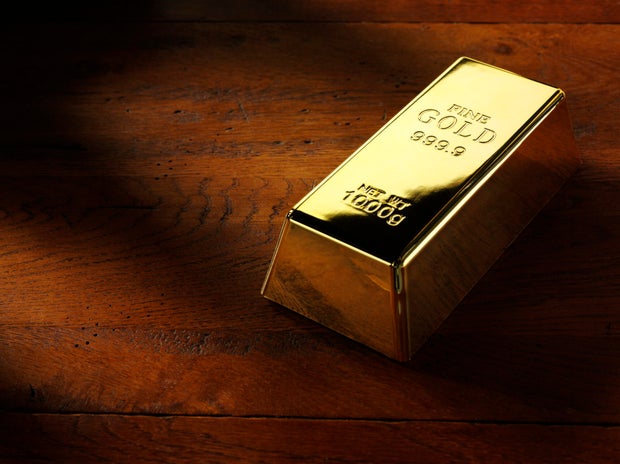
Gold has been on a historic tear recently, shattering record after record as investors pile into the precious metal amid mounting economic uncertainty. The yellow metal has climbed steadily in price throughout 2025, driven by a perfect storm of factors, including persistent inflation concerns, geopolitical tensions and a weakening dollar. For investors who had the foresight to purchase larger gold bullion products, like 100-ounce bars, when prices were lower, the recent rally has transformed their holdings into assets worth significantly more than what they paid.
The forces propelling gold to these new heights show little sign of fading, too. Recent Federal Reserve rate cuts have made non-yielding assets like gold more attractive, while central banks around the globe continue adding to their gold reserves. Meanwhile, continued economic volatility has investors seeking the safety that gold has historically provided during turbulent times. So, if you're holding gold and wondering what it's actually worth in today's market, the figure might be far more substantial than you realize.
Just how much can a 100-ounce bar of gold be sold for as we close out 2025, though? And what should you understand about current market conditions to help you decide whether now is the right time to sell or if you should continue holding onto your investment?
Find out how to add gold to your investment portfolio now.
How much can you sell a 100-ounce bar of gold for right now?
Gold is currently trading at $4,361.38 per ounce as of December 30, 2025, up dramatically from where it stood just a year or two ago. Based on today's spot price, a 100-ounce gold bar carries a raw metal value of approximately $436,138. However, what you'll actually pocket when selling depends on several factors beyond just the spot price.
The spot price represents the theoretical cost for immediate delivery of pure gold, but actual transaction prices vary based on where and how you sell. If you're working with an established gold bullion dealer or precious metals exchange, you can typically expect to receive between 97% and 99% of the spot value for a standard 100-ounce bar. That translates to roughly $423,054 to $431,777 in today's market. The higher buyback percentages usually apply when dealing with reputable dealers who have established markets for reselling large gold bars.
The specific amount you'll receive can shift based on your bar's manufacturer and condition, too. Gold bars from recognized refiners typically command better buyback rates than generic or lesser-known brands. Gold bars that remain sealed in their original assay packaging generally fetch higher prices than those showing handling marks or requiring re-assay. However, the difference usually amounts to only a small percentage of the total value, perhaps $2,000 to $4,000 on a transaction of this size.
Timing your sale matters considerably as well. While gold is generally less volatile than silver, prices still fluctuate throughout each trading day, sometimes moving $20 to $50 per ounce within hours based on currency movements, economic data releases or geopolitical developments. That means monitoring gold prices and placing your sale order during favorable market conditions can potentially net you several thousand dollars more on a six-figure transaction.
Explore your precious metal investing options online here.
Should you sell your 100-ounce bar of gold now or hold?
Deciding whether or not to sell your gold holdings now requires weighing multiple factors. Gold's recent ascent has been substantial, but precious metals often move in long-term cycles. Timing your sale around broader economic and monetary trends can make a meaningful difference, so here's what to consider in the process:
Market momentum could continue, but corrections happen
Gold's price has recently benefited from inflation concerns, geopolitical instability and central bank buying. If those conditions persist, gold prices could climb even higher. However, the market doesn't move in a straight line, and pullbacks of 5% to 10% aren't uncommon even during strong uptrends. If you need the liquidity soon or have reached your investment goals, current prices represent a historically high exit point.
The Federal Reserve's monetary policy remains influential
Lower interest rates tend to benefit gold by reducing the opportunity cost of holding non-yielding assets. With the Fed having implemented several rate cuts at the end of 2025, and potentially more on the horizon for 2026, the monetary environment remains supportive of gold prices. However, if economic conditions improve more rapidly than expected and the Fed pivots toward raising rates again, gold could face headwinds.
Dollar weakness versus strength matters
Gold typically moves inversely to the U.S. dollar's strength. The dollar has shown weakness recently, contributing to gold's rally. And, if the dollar continues declining due to concerns about fiscal policy or U.S. debt levels, gold could see further gains. Conversely, any strengthening of the dollar could put downward pressure on gold prices.
Geopolitical risks remain elevated
Ongoing international tensions and uncertainty surrounding major global conflicts have reinforced gold's appeal as a safe-haven asset. As long as these risks persist, they provide fundamental support for gold prices. However, any meaningful de-escalation could reduce some of this premium.
The bottom line
At current market prices above $4,300 per ounce, your 100-ounce gold bar translates to approximately $436,000 in underlying metal value, with actual sale proceeds typically landing between $423,000 and $432,000 depending on factors like the buyer, timing and bar condition. The substantial appreciation gold has experienced makes this an opportune moment to evaluate whether your investment objectives are better served by holding or potentially reallocating into other assets. Given the significant dollar amount involved and gold's role as a long-term wealth preservation tool, though, it's worth carefully considering all of the factors, like your overall financial situation, the tax implications and your portfolio diversification needs before making a decision.