Has the gold price surge finally stopped? Here's what some experts think.
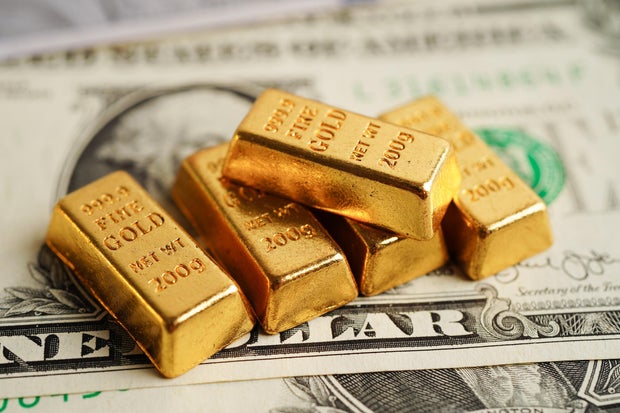
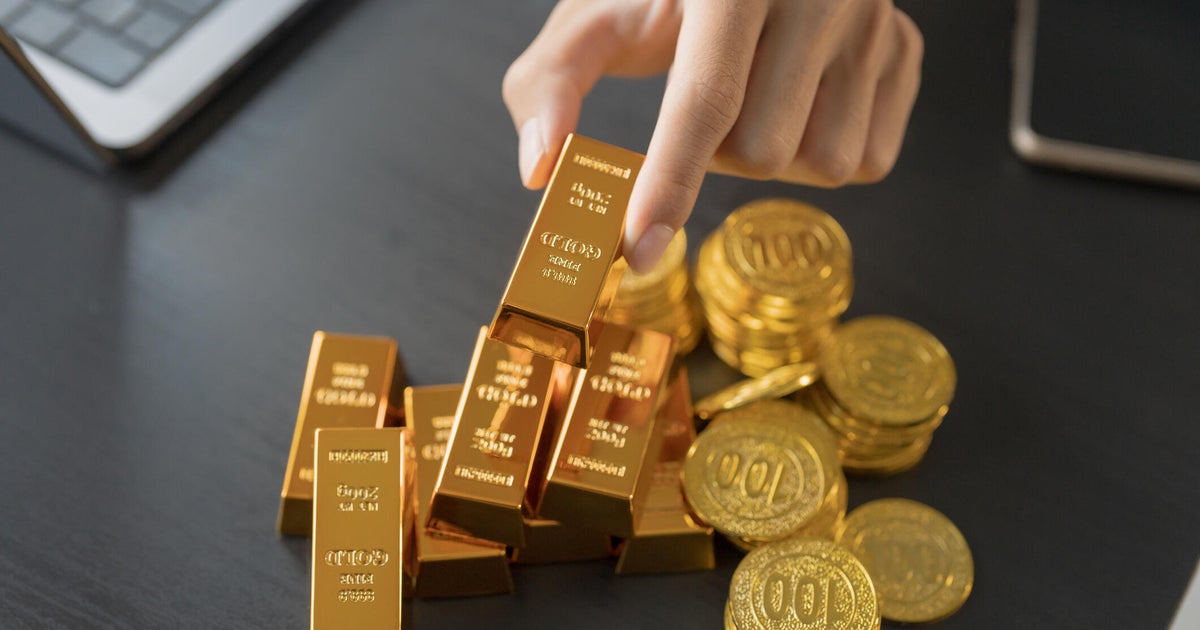
Many gold investors have watched the price of their investments soar since early 2024, as prices rocketed from around $2,000 per ounce to above $3,400 by mid-2025. Fueled by a mix of inflation worries, global tensions and record central bank buying, the meteoric rise also caught many by surprise.
The momentum has shifted in recent months, though. After a steady uphill climb, the price of gold hit the brakes, leaving many investors wondering what's to come. Has the remarkable surge finally run out of steam, or is this just a breather before the next big move?
To help get a better gauge on what's next for gold's price, we asked a few precious metals experts to weigh in on where gold prices head from here and whether investors should jump in now or wait for a better entry point. Here's what they want you to know.
Find out how to add gold to your investment portfolio today.
Has the gold price surge finally stopped? Here's what some experts think
Overall, the experts we spoke with don't see gold's recent consolidation as the end of the road.
"Gold is priced in currencies, and the dollar as a currency still has plenty of room to fall in terms of value, compared to other currencies and compared to gold," Ben Nadelstein, head of content at gold yield marketplace Monetary Metals, says.
So, while the price of gold could dip in the short term, Nadelstein believes that the structural forces support higher prices over time.
Those structural forces include unprecedented demand from institutions and retail buyers. Brandon Aversano, CEO of precious metals buyer The Alloy Market, expects this momentum to push gold beyond $3,500 per troy ounce through the end of 2025 and into 2026.
Even those acknowledging the current pause remain optimistic about gold's path.
"While this leg might be done, we see the trend as higher and see further upside into the end of 2026," says Sameer Samana, head of global equities and real assets at Wells Fargo Investment Institute.
Is now a good time to buy gold?
Rather than waiting for a pullback that may not come, experts say several factors indicate that now could be the right time to add gold to your portfolio.
Gold is a solid diversifier
"Gold has been a better diversifier in a highly uncertain and high-inflation environment," Samana says. "[It's] even better than bonds, which are the more traditional diversifier."
Portfolio diversification becomes crucial during market turbulence. When stocks fall, investors usually turn to bonds for safety. But recent years have shown that stocks and bonds can sometimes decline in tandem, leaving portfolios vulnerable.
Meanwhile, gold often moves independently of both asset classes, giving you a buffer when other investments struggle.
Learn more about your gold investing options online now.
Central bank buying is at all-time highs
"Central banks often [buy] gold as a hedge against inflation and geopolitical instability," says Aversano. "As global conflict is on the rise and banks seek to fortify against risk, they're purchasing gold at a record pace."
The buying has been so intense that "gold has overtaken the euro as the second-largest reserve asset behind the U.S. dollar," Nadelstein notes.
What makes this trend especially significant is the timing. Central banks are buying gold even when prices remain near all-time highs, suggesting they see higher values ahead.
The precious metal hedges against economic and financial risks
Many investors view gold primarily as a hedge against rising prices. But its defensive qualities extend much further.
"[The precious metal] can hedge monetary debasement, financial repression, stock market volatility, currency manipulation, geopolitical uncertainty and global liquidity shocks," Nadelstein says. "Gold's real utility comes from being outside the political monetary system."
Recent performance shows this multi-faceted protection. Aversano points out that investors who purchased gold in June 2024 have already seen a 62% increase in value. These gains came during a period of mixed economic signals, showing gold's ability to respond to various types of uncertainty beyond inflation concerns.
The bottom line
Investing professionals are generally bullish about the future of gold prices. Nadelstein expects them to be higher in six months, especially if dollar yields fall while gold-denominated yields rise.
"The wider the spread between dollar yields and gold yields, the more capital will likely rotate into gold," Nadelstein says.
If you decide to move forward with gold investing, first determine what percentage makes sense for your portfolio. Experts often suggest 5% to 20% as a starting point, but a financial advisor specializing in precious metals can help you determine yours. From there, you can explore whether physical gold, gold exchange-traded funds (ETFs) or gold IRAs align better with your investment style.
Finally, know that the price of gold can fluctuate in the short term. If you're concerned about timing your entry, consider dollar-cost averaging, which involves investing a fixed amount regularly over time rather than all at once.