The legal showdown between Elon Musk and Sam Altman begins today. Here's what to know.
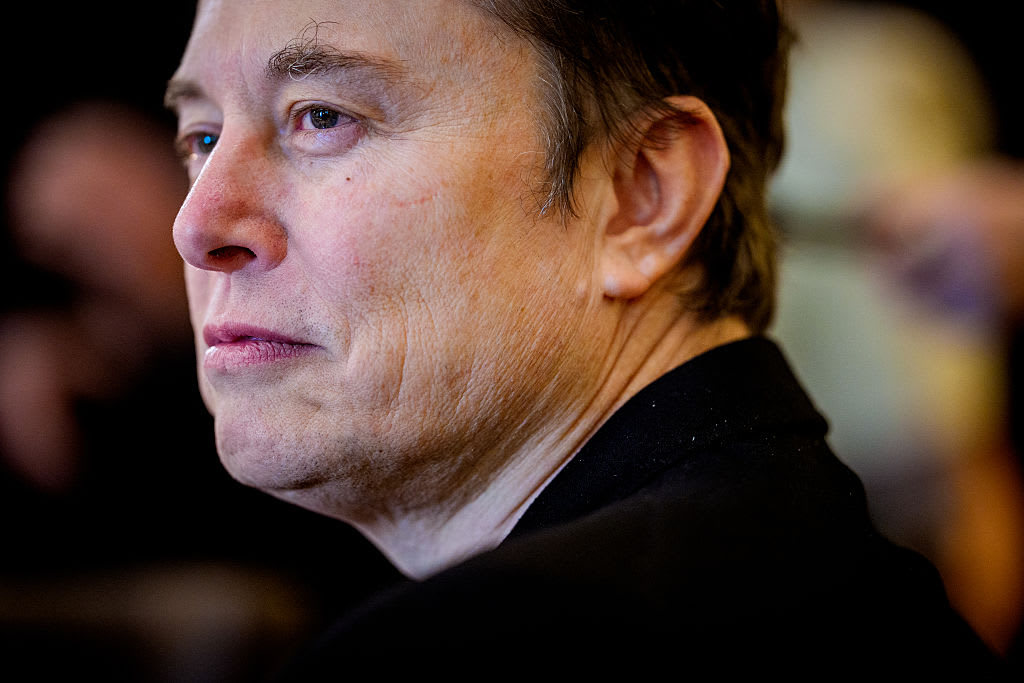
Jury selection begins Monday in a high-profile case brought by Tesla CEO Elon Musk alleging that Sam Altman's OpenAI, which was founded as a nonprofit research lab, prioritized profits over its original mission to benefit humanity as it ballooned into a corporate enterprise.
Musk originally sued in 2024, alleging that OpenAI, Altman, and OpenAI President Greg Brockman betrayed the company's founding agreement to be altruistic stewards of a revolutionary technology that would eventually result in the launch of ChatGPT in 2022.
Musk is seeking an unspecified amount to fund the charitable arm of OpenAI, as well as Altman's removal from the OpenAI board. OpenAI, which Musk and Altman co-founded in 2015, is valued at $852 billion, according to the Associated Press.
Opening statements could begin as early as Tuesday. Judge Yvonne Gonzalez Rogers, who is presiding, will make the final decision in the case, with the jury serving in an advisory role.
The trial is expected to provide riveting theater, with contrasting testimony from two of technology's most influential and polarizing figures: the 54-year-old Musk and the 41-year-old Altman.
OpenAI declined to comment on Friday. In a post on X on Monday, the company called the lawsuit a "baseless and jealous bid to derail a competitor." Musk's xAI operates the AI chatbot Grok, which debuted in 2023 and competes with OpenAI.
"We'll also finally have the chance to question Mr. Musk under oath before a jury of Californians about this attempt to undermine our work to ensure that artificial general intelligence benefits all of humanity," the post said.
Musk's legal team did not respond to a request for comment.
The "core dispute"
Musk stepped down as co-chair of OpenAI in 2018 but continued to donate to the AI company until 2020, with his financial contributions totaling $44 million, according to legal filings. However, the Tesla founder grew displeased with the direction of OpenAI as it shifted toward a for-profit structure and eventually yanked his funding — leading to a bitter fallout between him and Altman.
As Musk withdrew his financial support, Microsoft swooped in, becoming OpenAI's biggest investor.
Julia Powles, a technology law professor at the University of California, Los Angeles, told CBS News on Friday that the dispute centers on who will control the transformative technology and profit from it.
"Both are arguing in this case that they have the public good at heart, that's essentially the core dispute," she said. "But what I think the evidentiary record shows is that both like to tell you what you want to hear."
Implications for the AI landscape
The trial comes at a pivotal moment in the development of artificial intelligence, a technology poised to bring breakneck advancement even as concerns swirl about its impact on the nature of work and humanity as a whole.
Wedbush Securities analyst Dan Ives said in a note on Monday that the case could heighten the AI arms race as OpenAI competes for dominance against other players like xAI and Anthropic, which operates the Claude chatbot. OpenAI is expected to go public later this year.
The case could also reshape the corporate governance structure of AI research, Ives added.
The trial, which is taking place in federal court in Oakland, California, is expected to be a fiery showdown between two of the biggest names in tech.
"We believe any major damage to OpenAI and Altman will be more scrapes and bruises than real consequences to the company and his role as CEO," Ives wrote. "That said, it's Elon and never doubt him in these spots."