What are the downsides of investing in silver?
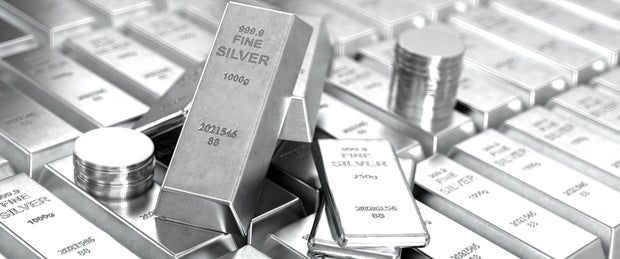
Silver has been nearly impossible to ignore lately. Prices have been climbing sharply, with the precious metal trading well above levels many investors once considered optimistic. Right now, for example, silver's price is sitting above $80 per ounce, drawing more investors into the mix, and the headlines regarding supply constraints, industrial demand and inflation hedging have helped to further push the metal back into the spotlight. For some investors, silver seems like a good investment opportunity, especially if they missed earlier moves in gold.
But fast price gains tend to create urgency when you're investing, and urgency can blur the risks that come with buying into silver (or any other investment vehicle). When an asset is moving quickly, it's easy to focus on upside scenarios while overlooking the practical downsides that show up once volatility cools or conditions shift. And, silver, in particular, comes with a unique mix of traits that can amplify both gains and losses, so it makes sense to slow down and look carefully at both the upsides and what can go wrong.
Silver can still play a role in a diversified investment strategy, but understanding its limitations is crucial. So what are the potential downsides of investing in silver, especially right now?
Find out more about your precious metal investing options here.
What are the downsides of investing in silver?
Here are some of the most important downsides to consider when investing in silver in today's climate:
Silver prices can be extremely volatile
Silver is notorious for sharp price swings. While gold often moves gradually, silver tends to exaggerate market sentiment, rising faster during rallies and falling harder during pullbacks. That volatility can be exciting during an upswing, but it also increases the risk of buying near a short-term peak.
And, because silver is thinner and less liquid than gold, large trades or sudden shifts in investor demand can cause abrupt price moves. For investors with shorter time horizons or lower risk tolerance, those swings can be difficult to tolerate, especially during periods of broader market uncertainty.
Start adding silver and other precious metals to your portfolio today.
Industrial demand cuts both ways
Unlike gold, silver is heavily tied to industrial use, including electronics, solar panels and medical equipment. That demand can support prices during economic growth, but it also makes silver more vulnerable during slowdowns.
If manufacturing activity weakens or global growth slows, industrial demand for silver can drop quickly. That can pressure prices, even if inflation concerns or geopolitical risks remain elevated. In other words, silver's dual role as both a precious metal and an industrial commodity adds an extra layer of economic sensitivity that investors need to factor in before buying.
Storage and insurance costs can eat into returns
Physical silver has less value per ounce than gold, meaning that it requires more space than gold for the same dollar value. That, in turn, means higher storage and insurance costs if you're holding silver coins or bars outside of a brokerage account. And, for larger investments, secure storage can become a meaningful ongoing expense.
These fees can add up over time and quietly reduce overall returns, especially when using a third-party storage service to hold your physical silver investments. Those costs are easy to overlook during a price rally, but become much more noticeable if silver prices move sideways or decline.
Premiums and spreads can be surprisingly high
Silver products often come with higher premiums over spot prices than many investors expect, especially during periods of strong demand. Silver coins and smaller bars, in particular, can carry sizable markups that make it harder to break even.
Selling silver can also involve wider bid-ask spreads compared to more liquid assets. That means you may receive less than the quoted market price when it's time to sell, particularly during volatile or illiquid market conditions.
Silver doesn't generate income
Unlike stocks, bonds or certain real-estate investments, silver does not produce dividends, interest payments or cash flows to offset holding costs or inflation over time. That makes silver a purely price-dependent investment. If prices stagnate or fall, there's no income cushion to soften the impact. This can be a meaningful drawback, especially for investors who rely on regular income or prefer assets with built-in yield.
The bottom line
Silver can offer diversification benefits and upside potential, especially during periods of inflation or strong industrial demand. But it's not a one-way bet, and its risks are often amplified during periods of rapid price movement. High volatility, economic sensitivity, storage costs and pricing inefficiencies can all work against investors who jump in without a clear plan. So, it's important to weigh both the downsides and the benefits before buying in to decide whether silver truly fits your goals, time horizon and risk tolerance.