Are buy now, pay later plans eligible for debt forgiveness?
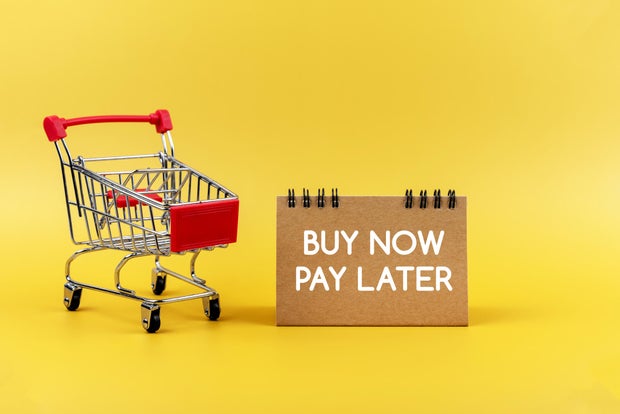
If you've shopped online recently, there's a good chance that you've encountered the checkout screen flashing with an offer to split the price of your purchase into four (or more) easy payments. No interest, no hassle — just click and buy. These consumer-friendly options, offered by buy now, pay later services like Klarna, Afterpay and Affirm, are marketed as a low-cost alternative to credit cards and other short-term, high-rate borrowing options. And, given the benefits they provide, these financing options have surged in popularity over the last several years.
But what started as a convenient way to spread out clothing and electronics purchases is also creating new financial challenges for millions of consumers. Buy now, pay later defaults are climbing, and over 40% of users have been late on at least one payment in the past year. What many of these shoppers don't realize, though, is that when those easy payments become difficult to manage, buy now, pay later debt doesn't just disappear. It can be sold to debt collectors if it goes unpaid for long enough.
That, in turn, can cause big issues for your finances. As a result, an important question has emerged: Can these debts be included in the debt forgiveness programs offered by debt relief companies? Or are borrowers with this type of debt simply out of luck?
Find out how you can start tackling your debt issues today.
Are buy now, pay later plans eligible for debt forgiveness?
The short answer is yes, buy now, pay later debts can potentially be included in a debt forgiveness program. Buy now, pay later plans are unsecured debts, so they fall into the same category as the credit card and personal loan debts that debt relief companies typically handle. However, there are important caveats to consider.
One is that the debt forgiveness process involves negotiating with creditors to try and secure a settlement that's lower than the total amount owed, and is generally reserved for when a borrower cannot make full payments. Credit cards, personal loans and medical bills have traditionally been eligible for this type of debt relief. Buy now, pay later plans, on the other hand, are a newer type of debt, and debt forgiveness eligibility can vary widely.
So, some buy now, pay later providers, particularly those offering longer-term installment loans through banks or finance partners, may participate in settlement negotiations if an account has become seriously delinquent. But others, like retailers managing their own buy now, pay later programs, might not negotiate at all, sending accounts directly to collections or reporting them as defaulted on instead.
It's also important to consider that the success of debt forgiveness can rely heavily on the relationship a debt relief company has with the creditors. Most have relationships with the major credit card issuers, but the relative newness of buy now, pay later services makes it less likely that the debt relief company will have an established relationship with the providers of these services. Qualification for debt relief typically also requires $7,500 to $10,000 or more in unsecured debt, and individual buy now, pay later debts rarely reach this threshold alone.
Still, buy now, pay later debt may technically qualify for this type of relief. You'll just need to do your homework, discuss the pros and cons with a debt relief expert and make sure you'll actually get enough relief from this type of forgiveness to outweigh the potential downsides and the extra costs that come with it.
Explore your debt relief options and find the right fit now.
Other ways to tackle your buy now, pay later debt
If you determine that debt forgiveness isn't the right approach for your buy now, pay later debt, there are strategies that may help you regain control instead, including:
- Direct negotiation: This strategy is often most effective. Contact your buy now, pay later provider immediately if you're struggling, as they offer hardship programs, payment deferrals or modified plans rather than sending accounts to collections.
- Debt consolidation: Consolidating your debt with the help of a low-rate debt consolidation loan or a personal loan can be a route worth considering, especially if you're trying to manage several loans alongside other debt-related obligations.
- Credit counseling: This type of professional guidance can help you create a comprehensive debt repayment plan that includes your buy now, pay later obligations alongside traditional debts.
The bottom line
Buy now, pay later debts are eligible for debt settlement in the same way that other unsecured debts are, but eligibility depends heavily on the lender and the type of plan. If you find that debt forgiveness isn't the right option for your buy now, pay later debt, there are plenty of other strategies, from exploring alternative repayment options to getting professional guidance, that may provide relief instead.