Aimee Bock, "mastermind" of Minnesota's biggest fraud scheme, says "I wish I could go back and do things differently"
The Trump administration has justified its ongoing immigration crackdown in Minnesota by citing a need to curb fraud and pointing to a widening scandal involving members of the Somali American community. Yet prosecutors say the mastermind of the state's biggest fraud scheme to date was not Somali but a White woman — 45-year-old Aimee Bock.
In an exclusive interview from her jail cell, Bock defended her conduct, admitted regrets and argued that state officials who she worked with should bear some of the blame. It was the first time Bock spoke publicly since she was arrested for her role in what prosecutors say was a $250 million COVID-era effort to defraud a federal program to feed hungry children.
"I wish I could go back and do things differently, stop things, catch things," said Bock, who was the head of Feeding Our Future, the now-infamous nonprofit that signed up restaurants and caterers to receive taxpayer money for providing meals to kids. "I believed we were doing everything in our power to protect the program."
So far, prosecutors have charged 78 defendants connected to Feeding Our Future, with more than 60 pleading guilty or convicted at trial. Nearly all are East African or of Somali descent, except for Aimee Bock.

During a five-week trial last year, prosecutors alleged Bock signed off reimbursement claims for millions of meals that were never served. She was also charged with collecting bribes. Together, she and the meal site operators were accused of stealing tens of millions of federal dollars and spending it on luxury cars, real estate ventures and vacations.
"That money did not go to feed kids," said Acting U.S. Attorney Lisa D. Kirkpatrick at the time. "It was used to fund their lavish lifestyle."
A jury convicted her on all counts. She's now awaiting sentencing and faces up to 33 years in prison. Evidence submitted at trial included text messages where Bock compared Feeding Our Future to the mob.
"The jury saw overwhelming evidence of what Bock knew," said lead prosecutor Joe Thompson following the verdict. "She was at the head of the scheme from Day One. She signed every single fraudulent claim that was submitted to the state of Minnesota."
Bock told CBS News she was neither mastermind nor mob boss.
"It was heartbreaking," Bock said, describing the moment she heard the verdict. "I believe in accountability. If I had done this, I would've pled guilty. I wouldn't have gone to trial. I wouldn't have put my children and my family through what we've been through. I've lost everything."
Last month, a judge ordered her to forfeit more than $5 million in proceeds from the scheme.
"We relied on the state"
Most of the millions federal officials seized from her were sitting in a bank account for the nonprofit, and Bock denied she personally lived a lavish lifestyle. She downplayed the items FBI agents found at her home when they raided it in 2022 — a home she had lived in for more than a decade.
"They found minimal jewelry," Bock said. "I believe it was like two pairs of earrings, a bracelet, a watch. There was some cash there."
Bock's attorney, Kenneth Udoibok, shared video showing stacks of food at meal sites operated by Feeding Our Future contractors. Bock said she was doing everything in her power to root out fraud and terminated agreements with dozens of entities she believed were cheating the system.
"I was the only one that stopped a claim and said, this is fraudulent," Bock said. "There are tens of millions of dollars in claims that we did not pay, that we refused."
The sudden growth of Bock's organization was staggering. In 2019, Feeding Our Future submitted $3.4 million worth of meal claims. In 2021, it submitted nearly $200 million. Bock attributed the increase to the looser guidelines during the pandemic that allowed parents to pick up meals and bring them home. Asked whether the spike in volume raised red flags at the time, Bock claimed she had sign-off from Minnesota officials.
"We relied on the state," she said, adding that local officials, including Rep. Ilhan Omar, would often visit the meal sites. "We told the state, this site is going to operate at this address, this time, and this number of children. The state would then tell us that's approved."
Omar has denied she was aware of individuals defrauding the food program, and previously has condemned the misuse of funds. Minnesota Gov. Tim Walz has drawn widespread scrutiny for his handling of fraud in the state. But Walz has defended his administration's response, saying "we've spent years cracking down on fraudsters" and accusing the Trump administration of "politicizing the issue to defund programs that help Minnesotans."
Udoibok, Bock's attorney, said state officials at the time weren't particularly interested in stopping the fraud, because the nonprofit was providing at least some food to an important constituency during a time of significant instability.
"What is a lie is that they were policing this fraudulent activity at any time," Udoibok said. "They wanted a scapegoat. She ran the only food program in the state, so they pinned it on her."
A spokesperson for Walz did not respond to a request for comment.
"Nobody wants to be labeled a racist"
Bock spoke to CBS News in the aftermath of the killing of Renee Good, as Minneapolis became a flashpoint in the administration's push to crackdown on illegal immigration. According to Bock, some of the individuals picked up in ICE sweeps are now being held at the jail where she is being held until she is sentenced.
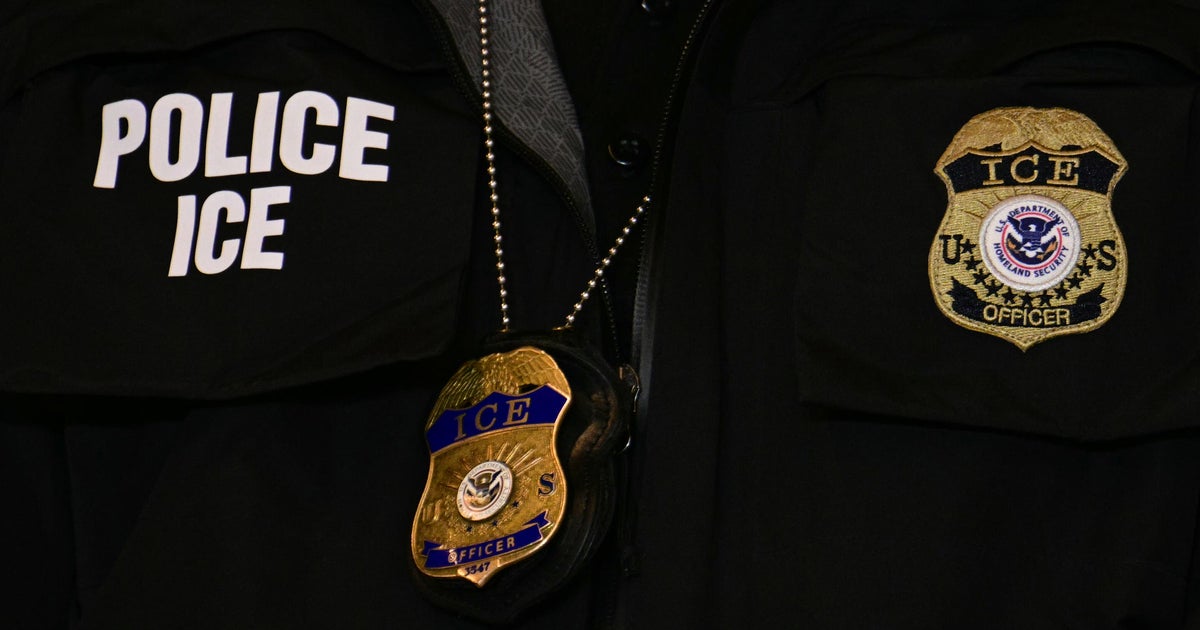
In some ways, it's possible to trace origins of the current tensions in Minnesota to Bock and her nonprofit. Good was killed by an ICE agent after the Department of Homeland Security surged thousands of personnel into the state with a twin mandate to enforce immigration laws and help investigate fraud.
Yet long before the issue of fraud became a galvanizing issue for the right — and fodder for conservative influencers — federal prosecutors in Minnesota had zeroed in on Bock. A lifelong Minnesotan, Bock earned a degree in elementary education and held roles at day cares and early childhood centers before starting Feeding Our Future in 2016.
"Our goal as an organization was to reach the kids that were not being fed," said Bock, who has two sons of her own. "There is kind of this quiet need in Minnesota, these food deserts, where there's just not access to healthy nutritionist food for children."
The nonprofit became a so-called "sponsor" for two federal nutrition programs funded by the Department of Agriculture and overseen by Minnesota's Education Department that paid for kids' meals during the school year and over the summer. When COVID hit, the USDA issued waivers that gave sponsors like Feeding Our Future more flexibility in how they distributed the food.
"During COVID, for obvious reasons, parents were allowed to come and pick up meals," Bock explained. "So we suddenly were able to reach more children. We were also able to deliver meals to homes."
Restaurants and caterers, particularly from Minnesota's large Somali immigrant community, were eager to sign up. Bock said her organization was well-positioned to fill the need, but state education officials were wary about letting in some of the business that applied.
"The Department of Education was sitting on the applications," Bock said. "They were just not processing them."
As racial justice protests swept the country in the wake of the killing of George Floyd by a Minneapolis police officer, Bock filed a lawsuit, alleging the state's scrutiny of Somali applicants was discriminatory and deprived low-income and minority children access to "desperately needed federal food programs."
Asked how she believed state officials received the lawsuit, Bock acknowledged "nobody wants to be labeled as racist."
That aggressive advocacy won her praise from the tight-knit Somali community. One community leader told a local reporter Bock was "a modern-day Robin Hood."
Bock denied the lawsuit was a scare tactic. The parties reached a settlement where Minnesota's Education Department agreed to process applications to the meal program "reasonably promptly."
"The notion that a state government is paralyzed and has to allow this level of fraud because they were afraid of what I might do in a lawsuit is preposterous," Bock said.
Years later, education officials told a state watchdog "the threat of legal consequences and negative media attention" intimidated them into easing off. Still, officials with Minnesota's Department of Education (MDE) insist they did act, noting they were the ones who referred Bock to the FBI in 2021.
"Criminals took advantage of the program even though MDE met or exceeded federal regulations," the education commissioner wrote in a letter to the state watchdog. "At all times MDE made its best judgments about its authority for oversight in the context of legal requirements and pushback."
Editor's note: This story has been updated to clarify wording about the descent of other Feeding Our Future defendants.