New traffic cameras go up at Burnsville construction zone, with goal of improving safety

Drivers traveling through a work zone on Interstate 35W in Burnsville, Minnesota, will see new signs and a new tool aimed at getting them to slow down.
The Minnesota Department of Transportation is launching a pilot program Monday to test speed safety cameras in work zones.
The cameras are being deployed in the I-35W work zone northbound, about a quarter-mile north of the McAndrews Road bridge.
Mark Wagner, assistant state traffic safety engineer with MnDOT's Office of Traffic Engineering, said the cameras will initially be used only to issue warnings.
"So today, if you drive through the 35W work zone, you'll see the signs up, you'll see the camera deployed," Wagner said. "So right now we are testing this technology."
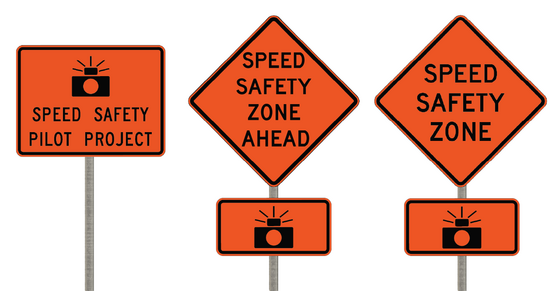
The cameras will only capture vehicles traveling more than 10 mph over the posted work zone speed limit. The registered owner may then receive a warning letter in the mail. There will be no fines or citations issued as part of the pilot.
"These are not Flock cameras," Wagner said. "These will never be Flock cameras and will never be used like Flock cameras."
The pilot is designed to study whether speed cameras can change driver behavior and make work zones safer. According to MnDOT, from 2021 to 2025, there were 22 fatalities in work zones, along with more than 600 injuries and 11,000 crashes.
"We want to make sure workers are safe. We want to make sure the traveling public is safe going through work zones," Wagner said. "At the end of the day, we just want everybody to get home safely."
MnDOT is also looking at research from other states that have used similar technology.
Wagner said those studies have found reductions in fatal crashes of between 20% and 60% in areas where speed cameras were deployed. In some cases, speeding more than 10 mph over the limit dropped by as much as 80%.
"There aren't many other treatments traffic engineers have that can reduce fatalities to that degree," Wagner said.
The I-35W deployment is planned through October.
MnDOT plans to conduct another deployment in 2027 at a location that has not yet been announced.
The agency's portion of the pilot is expected to wrap up after those deployments, but the overall pilot program and evaluation will continue through July 2029.
If the pilot shows the cameras are effective, Wagner said any decision about expanding their use or allowing cameras to issue tickets would ultimately be up to the Minnesota Legislature.
"MnDOT's role is really to just test this technology, operate this pilot program and do the evaluations at the end," Wagner said. "Ultimately, it's really up to the Legislature to see where this program goes when the pilot is done."
MnDOT is https://www.dot.state.mn.us/trafficeng/safety/traffic-safety-cameras.html?utm_content=&utm_medium=email&utm_name=&utm_source=govdelivery&utm_term=looking for feedback on this project.


