St. Thomas law students help prisoners with clemency applications
Since the First Step Act was signed into law in 2018, efforts have been made to reduce the size of federal prisons. Students at St. Thomas School of Law are helping with that effort, assisting prisoners with submitting clemency applications.
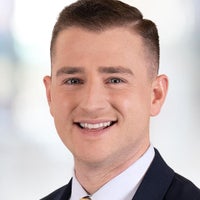
"We literally write and produce the clemency application on their behalf, and then we send it to the highest office in the country, which is the president's office," said J.D. Candidate Khalil Yasin, who's currently in the clinic.
At St. Thomas' downtown Minneapolis campus, students form relationships with those behind bars.
"You're trying to compartmentalize what they've done, which is awful sometimes, from who they are today," said Yasin.
It's called the "Federal Commutations Clinic."
Under the leadership of prominent professor and attorney Mark Osler since 2011, a small group assists inmates across the country in submitting clemency applications. The clinic has a new class of students and criminal convict clients each year.
Once applications are sent to Washington, D.C., clients can wait years to see if their sentences could be reduced.
In 2018, President Trump signed the bipartisan First Step Act into law, helping reduce the size of the federal prison population.
"We don't represent people claiming their innocence. We do the opposite. We represent people who are honest and say, 'Hey, I know what I did was wrong,'" said Yasin.
Despite having the goal of practicing transaction law, he says it's work that will forever change the fabric of his life.
"I wanted to test myself on whether I was able to look at the worst someone has done and their humanity at the same time. It's humane and the right thing to show mercy. The Constitution is on our side on this one because the Constitution recognizes the mechanics of clemency."
The University of St. Thomas says in the clinic's first six years, 105 inmates had been freed through clemency work by Osler, students and alumni.
"People genuinely are not who they were 20 or 30 years later," Yasin said.
It's a perspective he says he's been able to gain.
"We don't negate what they've done, but choose to acknowledge what they've become," said Yasin.
In some cases, students travel to meet the incarcerated individuals. The group has done a lot of work with those who are in Minnesota's Sandstone Federal Prison.


