Cost of Minneapolis ShotSpotter system at center of City Council debate
Technology that listens for gunfire is once again at the center of a debate in Minneapolis. Supporters say it helps officers respond quickly. Critics question whether it's worth the cost.
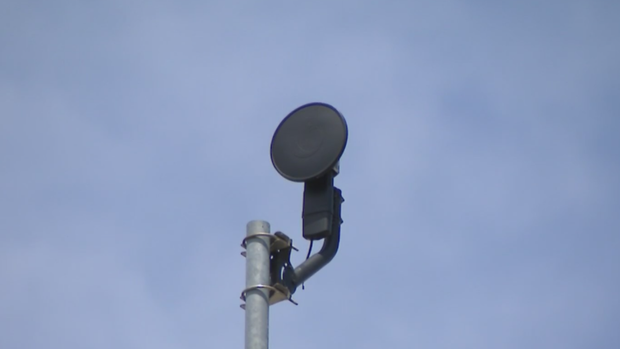
ShotSpotter uses acoustic sensors and picks up the sound of gunshots and potentially the kind of weapon. It sets off an alert to 911 dispatch, which then passes that information to police.
According to ShotSpotter's parent company, SoundThinking, the system is critical to detecting many possible gun crimes that could otherwise go unreported.
The devices are mounted on poles in north and south Minneapolis. But after decades in use and millions of dollars spent, some council members believe it is time to make other public safety investments.
During a City Council meeting, the Minneapolis Police Department asked for a three-year extension and expansion of the program to other parts of the city — a deal totaling more than $3 million.
Supporters say the system helps officers respond to shootings faster, locate victims and recover evidence.
Council member LaTrisha Vetaw, whose Ward 4 is outfitted with ShotSpotter sensors, has been among those in favor of this critical tool.
"We see ShotSpotter as a tool that saves lives," Vetaw said. "It's a matter of life or death."
Council member Robin Wonsley is critical of it, saying she doesn't believe the technology has reduced crime or improved public safety.
"Over 12 years now, MPD solve rates for homicides and nonfatal shootings were some of the worst in the country," Wonsley said.
Minneapolis isn't the only city rethinking it. Chicago ended its use of ShotSpotter in 2024, and response times improved by about four minutes, according to a University of Chicago study.
Across the Mississippi River, the St. Paul Police Department doesn't use ShotSpotter. Instead, they are driving down gun violence through specialized teams like the non-fatal shooting unit. So far this year, they've solved 73% of nonfatal shootings. Minneapolis police announced the start of a similar team weeks ago.
Last month, Minneapolis Mayor Jacob Frey said the homicide clearance rate in 2025 was 80%, while the clearance rate for non-fatal shootings was less than 50%.
The Minneapolis City Council will revisit this topic in the coming weeks. However, police will now return to the council with a one-year proposal.
Council members say the city auditor is conducting a study into the technology's effectiveness. The findings of that study could ultimately help determine if ShotSpotter stays in Minneapolis.


