How a kiln atop a Red Wing bluff helped build modern Minnesota

Red Wing, Minnesota, is known for its beautiful, natural scenery. But there's also a man-made structure that's catching the eye of visitors.
He Mni Can Barn Bluff rises 300 feet above the Mississippi River.
"It can be a little challenging, but it's a good workout," said visitor Angela Hurley. "And once you get to the top, it's just beautiful views."
On a good day from the top, you can almost see Minneapolis 50 miles away.
"It's very sacred to our local Dakota tribe and other Native American tribes in the region," said Steve Kohn, Red Wing's planning manager.
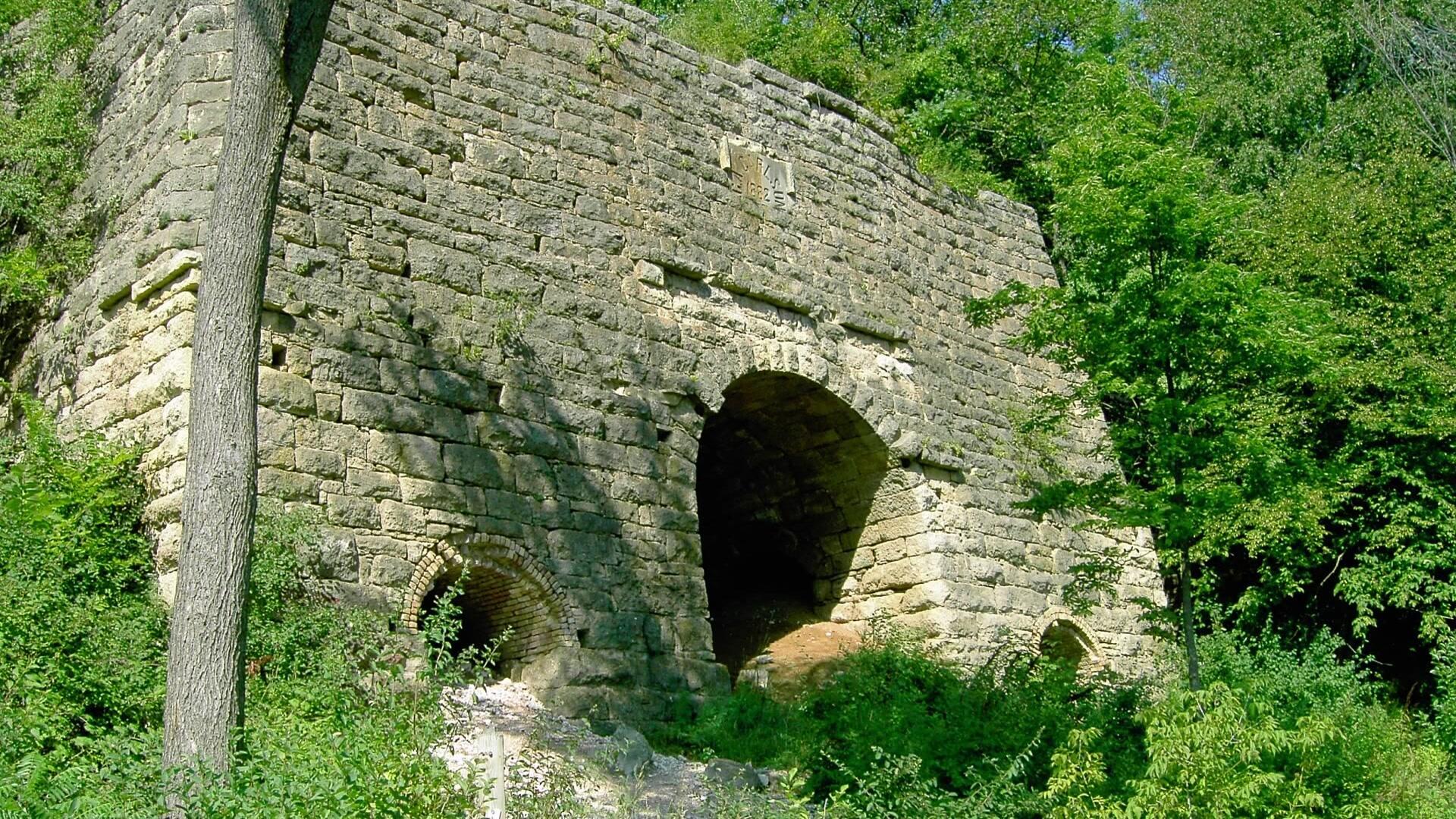
The bluff is also full of limestone. In 1882, a man named Gustavus Adolphus Carlson built a massive kiln into the side of the slope to harvest the stone.
The kiln was basically an oven that burned 24-7. Inside, temperatures reached a couple thousand degrees, turning the limestone into a lime product that could be used for basements and foundations.
"Actually, the Stone Arch Bridge in Minneapolis has some stone from Barn Bluff," Kohn said.
At the height of production, Kohn said Carlson's kiln had 65 men working in the quarries, which were located far above the oven.
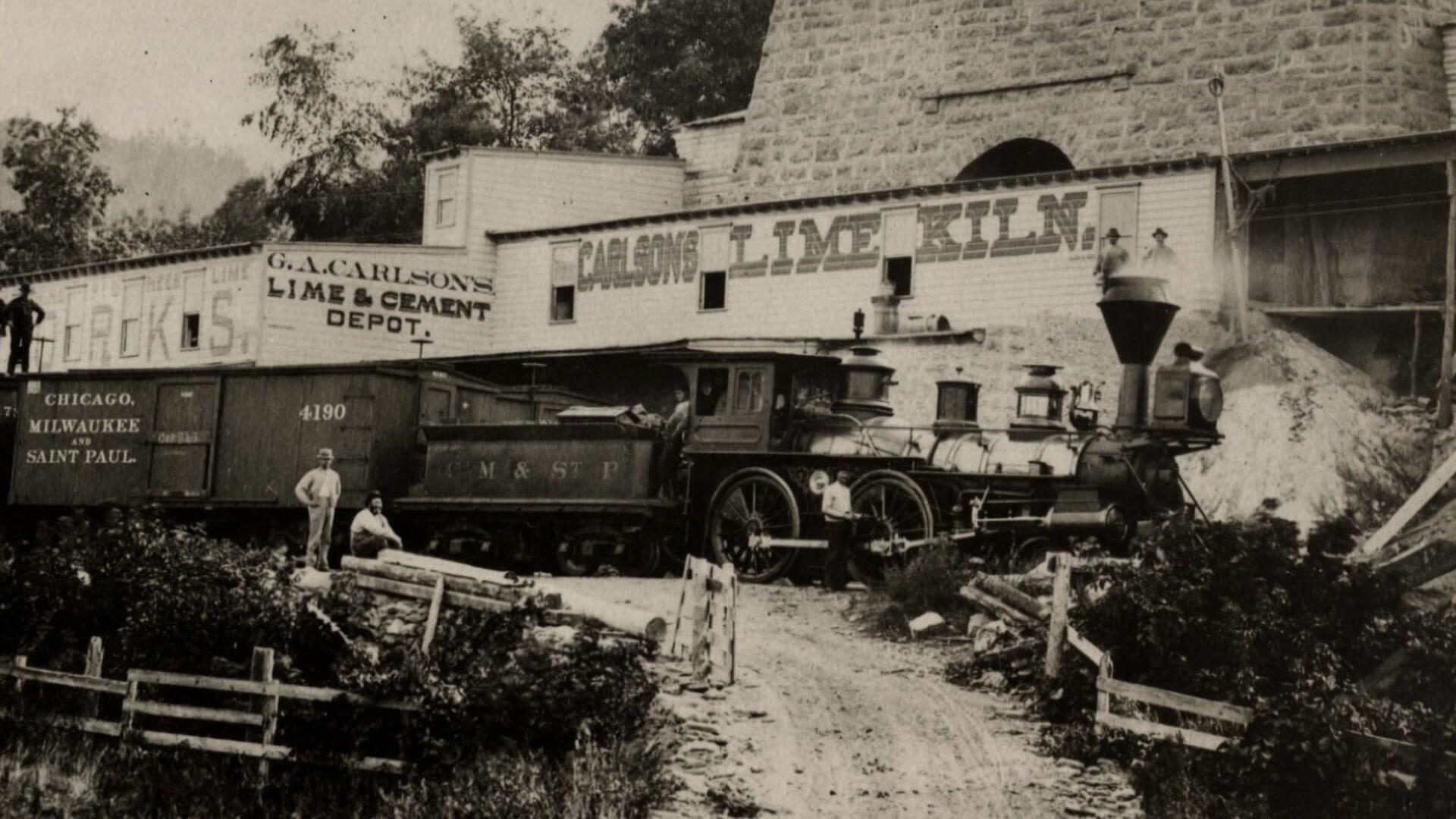
Their job was to gather rock, then travel down pathways on the bluff pulling sleds and carriage full of limestone and then dump them into the kiln.
"All the heat would be coming up, so it would be about 2,000 degrees here for whoever's up here putting the stone in here," he said.
So even in subzero winter conditions, "it had to be a very hot job," Kohn said, as well as a dangerous one.
The product that came out at the bottom was shipped by train across the state.
For nearly 40 years, business was rock solid. But when it faded, so did the Barn Bluff kiln — until Red Wing decided to save this piece of history and revitalize the area.
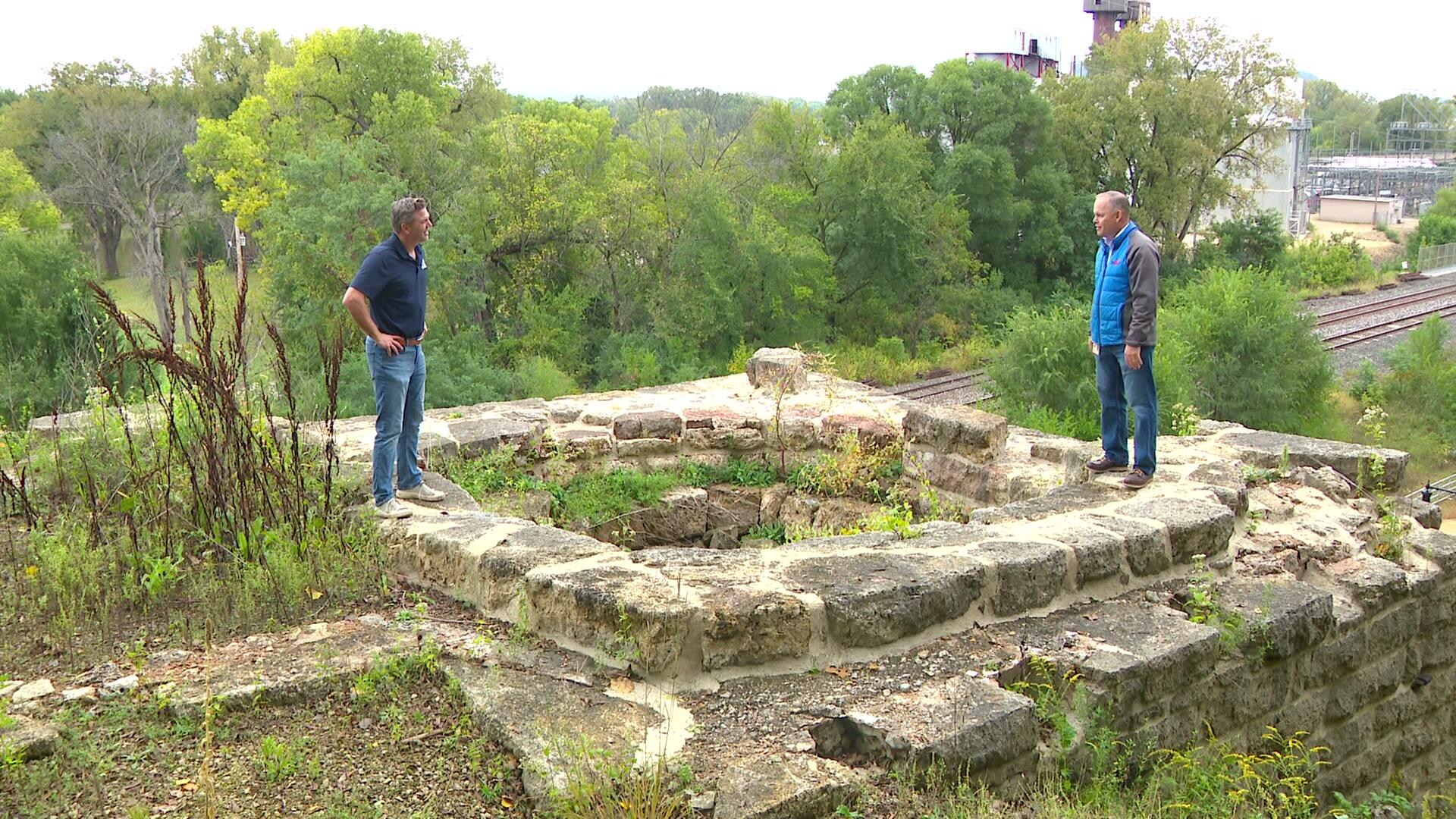
"We had this designated as one of Minnesota's most endangered sites," Kohn said.
It sat vacant for nearly a century before it was fixed and fortified. New walkways were added to provide easy access, and interpretive signs now detail a time that was.
"It's just beautiful masonry work that these folks were able to do," Kohn said.
The kiln was one of eleven that G.A. Carlson once operated in Red Wing. The city says a Greater Minnesota Regional Parks and Trails legacy grant made the entire project possible.