Minnesota House tax bill includes "baby bonus" of additional $100 for child tax credit

The Republican and DFL leads on the House taxes panel on Tuesday unveiled their tax bipartisan proposal that leaves some of the more controversial provisions on the cutting room floor.
Not included in the sweeping bill is eliminating the lowest income tax bracket, creating a new fifth-tier income tax bracket for the wealthiest Minnesotans to backfill any cuts to Medicaid or trimming the state sales tax rate while expanding what services are subject to it, which Gov. Tim Walz-backed pitched earlier this year.
But establishing a $100 additional "baby bonus" to the child tax credit, preserving local government aid and instructing the Department of Revenue to develop a free online tax filing service so Minnesotans don't have to use third-party services like TurboTax did make the House deal.
There's also expanded property tax relief for veterans with a disability or their surviving spouses.
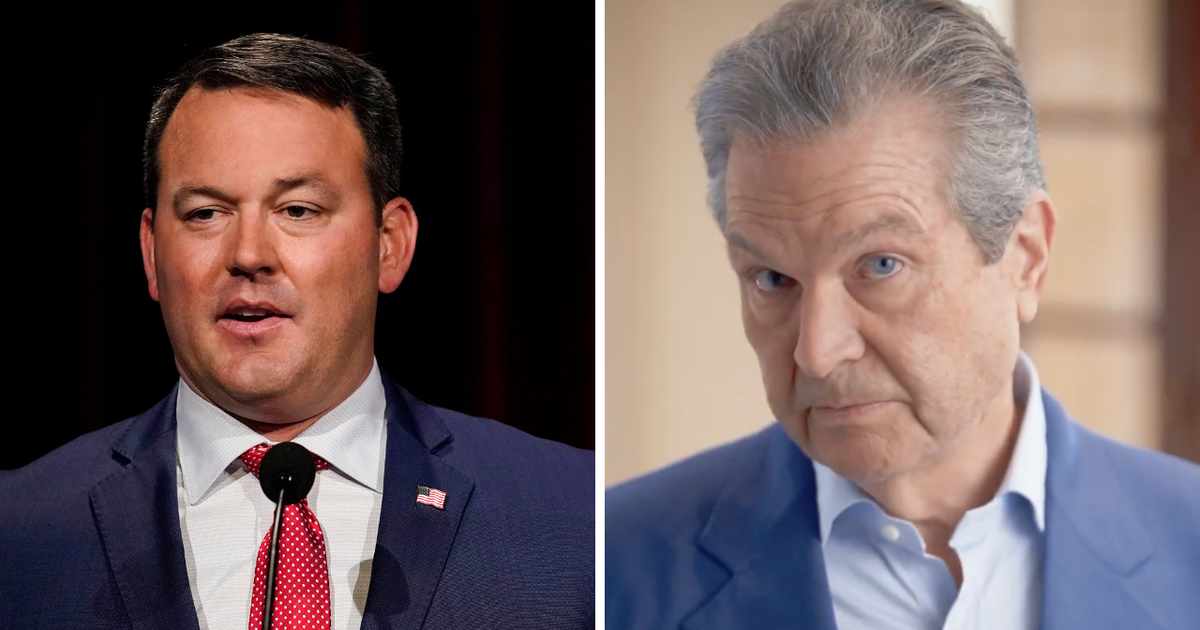
The legislation is a product of compromise in the tied chamber, where both parties share control of the committees. Despite failing to advance some of their ambitious and partisan proposals, Reps. Aisha Gomez, DFL-Minneapolis and Greg Davids, R-Preston, both touted policies in the package they see as wins.
"It's not the bill that Chair Davids would have written. It's not the bill that I would have written. We did our best to come together and address some needs that we'd heard from, from our communities during the course of our committee," Gomez said.
The $100 increase to the child tax credit is an expansion of the policy the DFL-led Legislature approved two years ago provisioning up to $1,750 per child in a refundable credit with income restrictions. Last year lawmakers authorized advanced payments of the credit which the Department of Revenue will roll out this year in order to achieve the state's goal of slashing child poverty levels.
The "baby bonus" provision would take effect in 2028 and families would see the credit boost for each child of theirs born in any given year.
As the Legislature looks to stave off a looming $6 billion deficit in future years, lawmakers had to find savings in some areas. Leaders instructed the House taxes committee to reduce their budget by $80 million over the next four years.
"To come in and have the charge of cutting $80 million, I think that this bill really protects those entities that do so much for so many people," Davids said.
The tax deal revealed Tuesday isn't final. It has to pass the full House and then it will be the subject of end-of-session negotiations with the DFL-controlled Senate. Republicans are firm that they do not want to raise taxes in any final deal between both chambers, but Democrats in the Senate are contemplating a new tax on social media companies.
Lawmakers must adjourn May 19 to avoid a special session, which has been more common in recent years when there has been a divided Legislature like this session.