DHS policy on use-of-force says it "must be objectively reasonable," can't be used to stop one fleeing without serious threat


As conflicting accounts about what happened in Minneapolis swirl, state and federal investigators are now taking a closer look at Wednesday's fatal shooting of a driver by an ICE officer. WCCO looked at the Department of Homeland Security policy on the use of force.
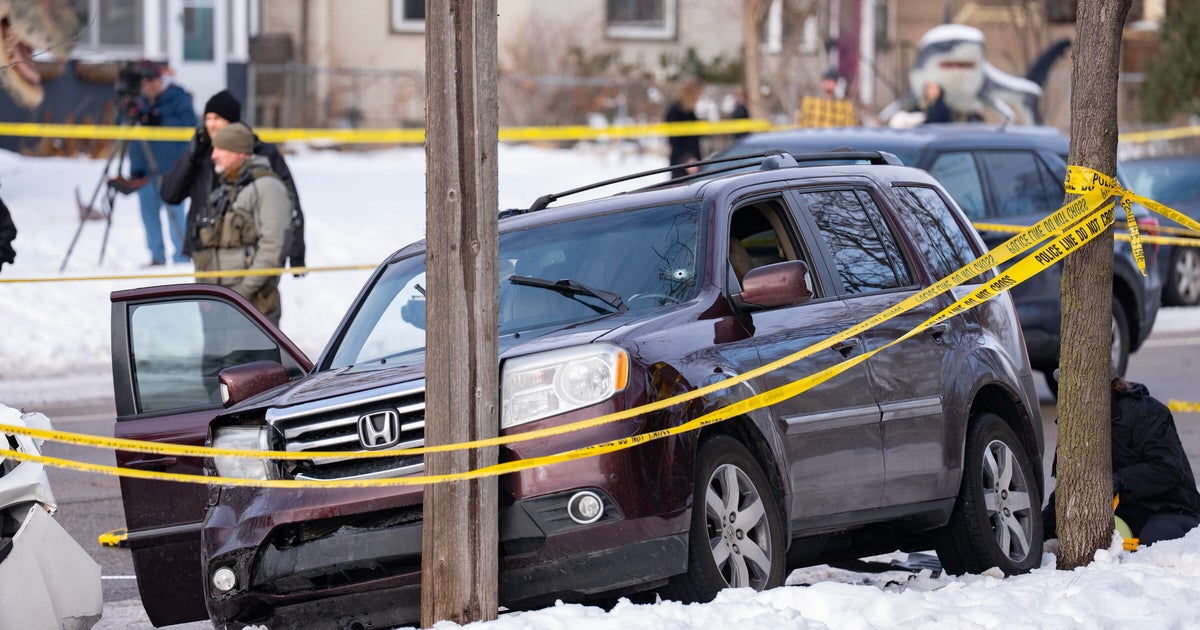
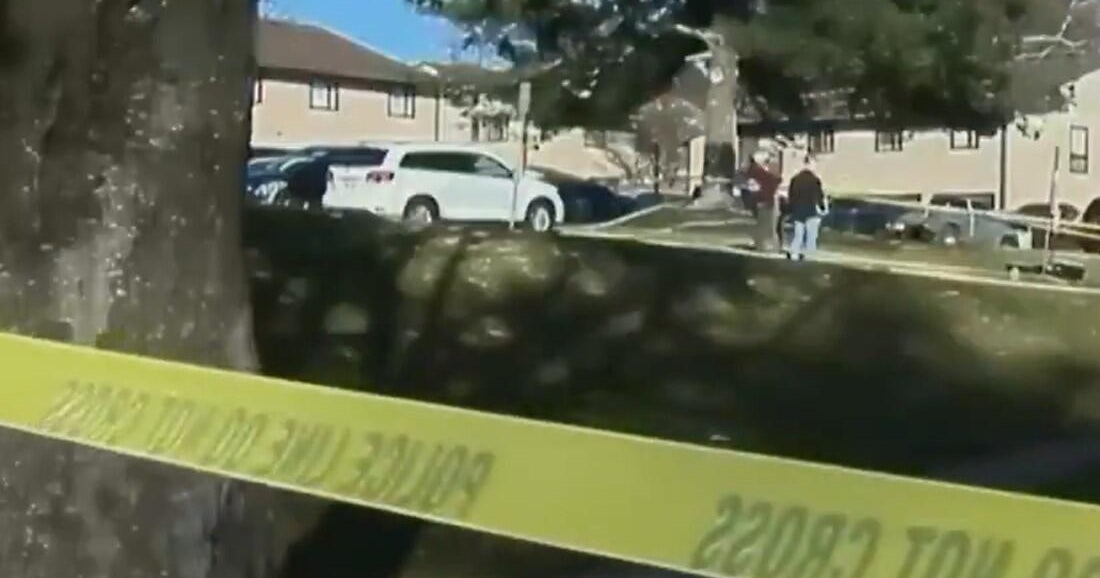
A 37-year-old woman, identified as Renee Good, was shot and killed by a federal immigration officer near 34th and Portland in south Minneapolis. Bystander accounts and witness video indicate Good was behind the wheel of a vehicle when officers attempted to stop her. Video shows an officer firing three times as Good is driving while at least two officers are standing near the front of the vehicle's driver's side.
The agency's policy goes through when force can be used, non-lethal or lethal. The policy statement on use of force includes general principles, such as showing respect for human life and being trained in de-escalation techniques.
When it comes to deadly force, it says "use of deadly force must be objectively reasonable in light of the facts and circumstances."
The guidelines go on to say officers "may use deadly force only when necessary ... when the LEO or law enforcement officer has a reasonable belief that the subject of such force poses an imminent threat of death or serious bodily injury to the LEO or another person."
According to the policy, deadly force cannot be used to stop someone who is fleeing, though it is authorized when an officer believes that someone who's trying to escape poses a serious threat to the officer or others. The two narrow circumstances outlined in the policy are:
- when a person in the vehicle is using or imminently threatening deadly force by means other than the vehicle, or
- when the vehicle itself is being operated in a manner that poses an imminent threat and no other objectively reasonable defensive option exists—explicitly including "moving out of the path of the vehicle."
A former ICE official pointed out to CBS News that it appears the agent who fired was recording or photographing the driver with a cell phone in his left hand while drawing his weapon, a detail that raises questions about positioning, focus, and available "outs."
"At a certain point, you need to understand not to put yourself in these positions," another federal agent told CBS News. "Why did you put yourself in front of the car? You're staging the scene. Tactically, why would you put yourself in that position? ... That's why training is so important. That's why positioning is so important."
As one former GS-15 HSI agent put it, "I've been conducting stops and approaches for 25 years … I never, ever wanted to be intentionally in front of the vehicle."
Use-of-force expert Peter Johnson said the street is not the place to challenge a federal agent's orders. He is the founder of Archway Defense, a company that has trained state, local and federal law enforcement in firearms for the past decade. He's also a former Federal Air Marshal.
"When law enforcement approaches your vehicle, tells you to stop (or) get out of the vehicle, that is the point where you follow the lawful commands of law enforcement, whether that's federal agents or local police department," Johnson said. "The danger is when we as a society craft a narrative around, 'It's up to me to decide when I comply with law enforcement.' We have a judicial system specifically in place if the agent or officer was wrong for the traffic stop, any traffic stop. That is where the fight takes place, not on the road."
This will all be part of a larger investigation that is being handled jointly by the Minnesota Bureau of Criminal Apprehension and the FBI.
The Hennepin County Attorney's Office has jurisdiction over the shooting for any possible state charges, though that office could ask the attorney general to take on the case or assist. The statute also allows the governor to assign the case to the attorney general. On the federal level, the U.S. Attorney's Office has jurisdiction.