Can businesses refuse to accept cash as a form of payment?

Credit and debit cards were busy this holiday season, especially since that's the only type of payment some businesses take. But can businesses refuse to accept cash? It depends on where you spend your money.
As snow piled up outside on a chilly day, winter's wrath was no match for the soothing warmth filling cups at Silver Fern Café and Wine Bar in northeast Minneapolis. All the customers who visited did not pay using cash.
"Most people have a second form of payment and so it hasn't stopped them from coming in," Julia Lisec, the general manager, said. "When we very first opened, somebody broke in and ended up stealing from us. And I think after that moment, the owner just felt it was safer to remove (cash) just as an option."
Lisec said nearly all their customers have no problems with it being a cashless establishment. Less than 10 customers per day attempt to use cash, she said.
"I rarely carry cash, so it doesn't really bother me, honestly," customer Landen Schmidt said.
"Not convenient having to deal with the cash. The card is easy, just tap and go," added customer Sergey Movchan.
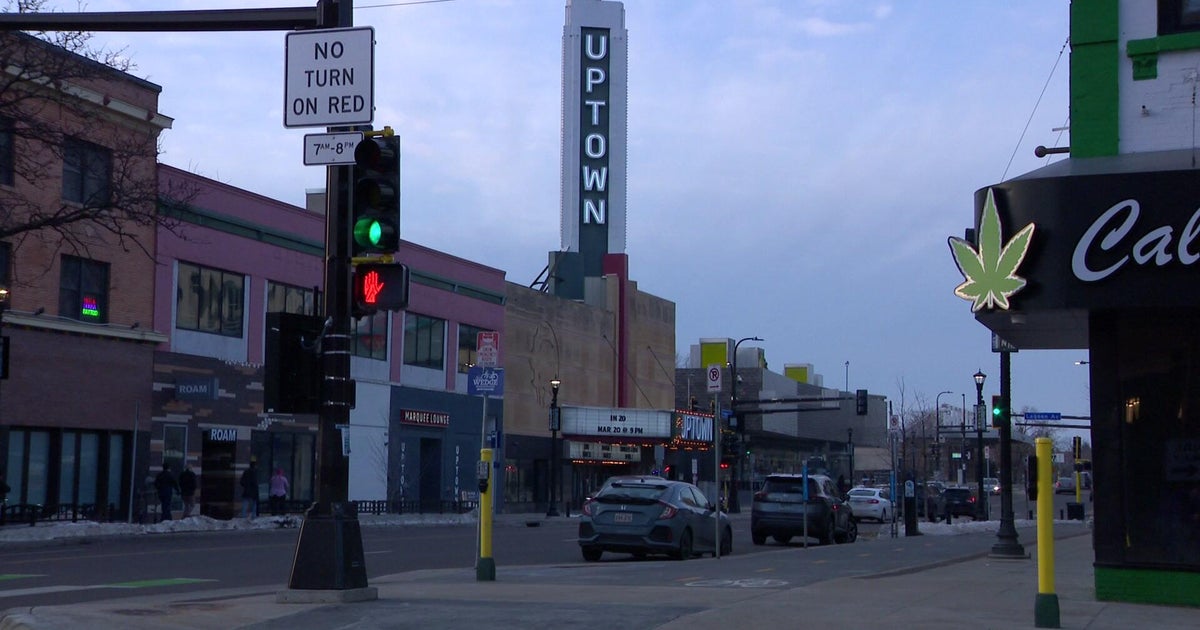
It's a business model picking up steam across the Twin Cities. For instance, all the major sports venues in town, like Target Field and U.S. Bank Stadium, no longer accept cash.
Our spending habits are also trending in that direction.
In 2016, a Federal Reserve survey found cash accounted for about 28% of consumer payments. By 2024, it had dropped to 14%, while credit and debit card use combined accounted for 65% of payments.
But can businesses refuse cash? Isn't there a law protecting consumers? Not federally. Private businesses are free to develop their own policies on cash unless state law says otherwise.
Massachusetts was the first to enact a ban on going cashless in 1978. Within the last decade, several more have followed suit, including New Jersey, New York, Tennessee, Oregon and Delaware. The laws often come with exemptions for things like car rentals, farmers' markets or self-service businesses.
"I know that old generation, they still use cash," Movchan said.
The Federal Reserve said adults over 55 years old rely on cash more than younger generations. But the states that passed cashless bans often cited concerns over inequality, as people with lower incomes might not have a bank account or access to credit. Minnesota lawmakers have introduced similar bills at the Capitol in recent years, but they never made it out of committee.
Meanwhile, businesses refusing to accept cash feel the benefits are hard to ignore beyond just the sense of security.
"This is the first place I've ever worked that's cashless, so this is also brand new to me. But I would say it makes for very quick transactions, it's a lot cleaner, and it just makes opening and closing duties a lot easier," Lisec said.
Written on cash, you'll see the quote, "This is legal tender for all debts, public and private." That federal statute only applies to creditors, not private businesses.