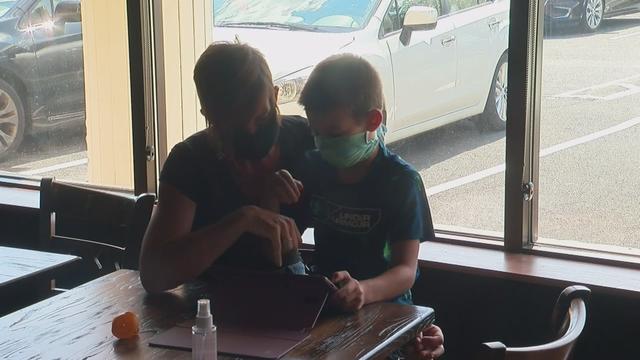
2 In 3 Parents Resort To Google To Help Kids With Schoolwork, Survey Finds
A survey of 2,000 parents were asked on how good their math skills were.
Watch CBS News
A survey of 2,000 parents were asked on how good their math skills were.
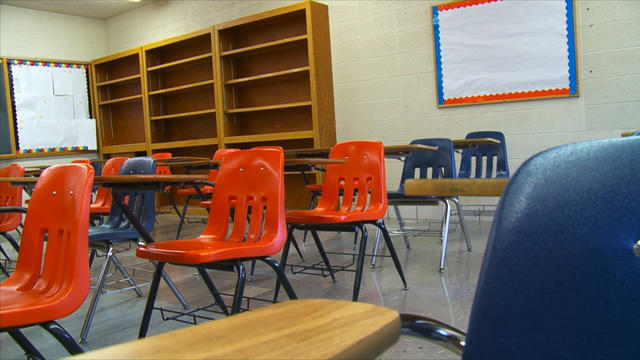
Thousands of students and educators around the Twin Cities will head back into a classroom Monday morning. For many, it will be for the first time in months.

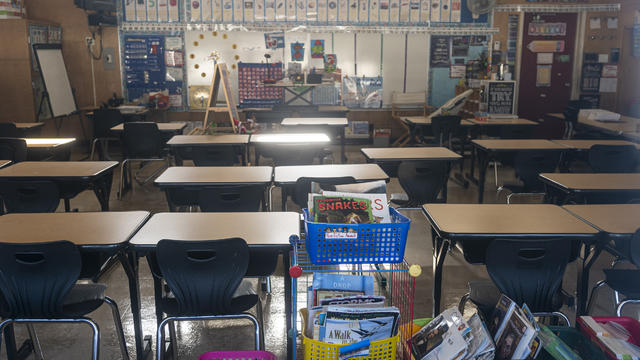
Gov. Tim Walz released on Monday a slate of his education priorities that he believes will help ensure high-quality education is available to all Minnesota students no matter their race or socio-economic status.
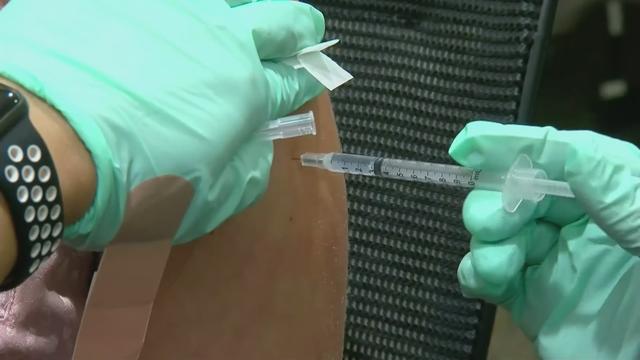
The state was allotted 68,000 doses to give out this week. Of that, 6,000 doses were set aside for educators and child care center workers.
The plan will be for students in second grade and younger to return to classrooms Feb. 8, to be followed by students in third, fourth and fifth grade to return two weeks later -- on Feb. 22.
The decision will make $14 million to $28 million available to teens across the state. A local group of students brought forward this issue to make a change.
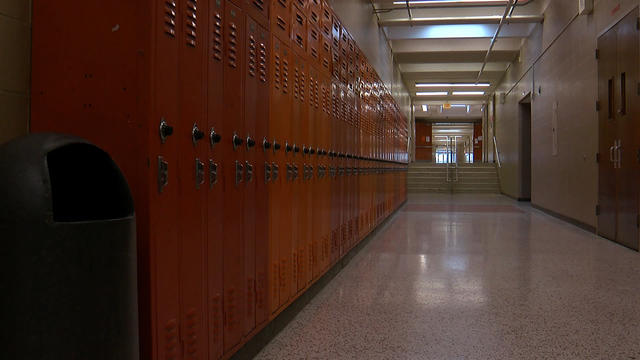
The state has seen explosive growth in cases and hospitalizations in recent weeks, surpassing 7,000 cases in a single day on Thursday for the first time since the pandemic began.
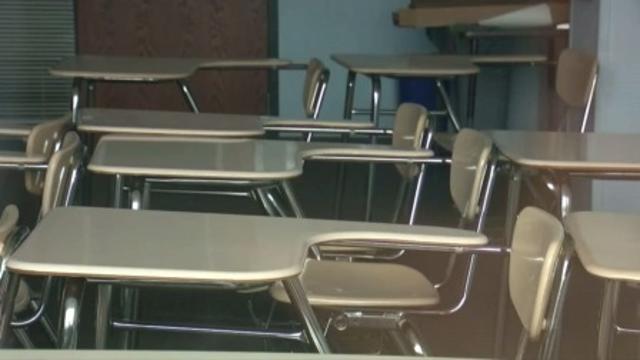
The new report that came out this morning shows that Minnesota schools from Nov. 1 to Nov. 7 had over 750 COVID-19 cases reported. That number was between 100 and just over 300 in September.
Rising COVID cases means several Minnesota school districts are considering big changes.
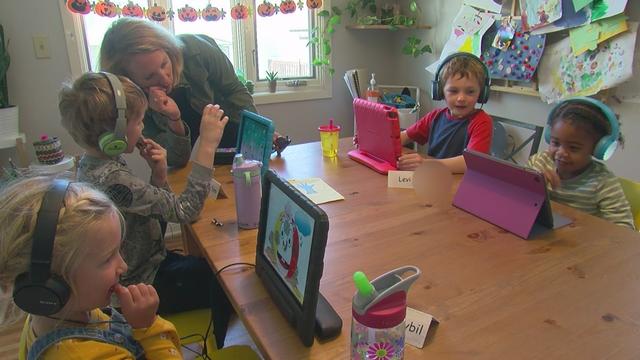
Four kindergarteners in the Kenny neighborhood are doing distance learning together during the week, rotating houses each day. Parents of the children take turns facilitating and hosting class.
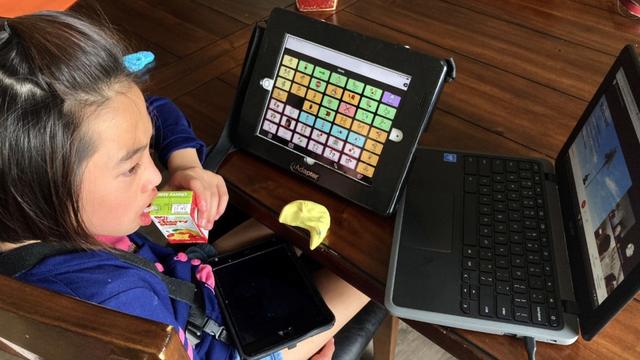
WCCO is documenting the distance learning journey of two Twin Cities families: a single mom balancing her job as a hair stylist while her kids log on to learn at home, and a family of five with a daughter who has disabilities, keeping them all at home so she remains safe.
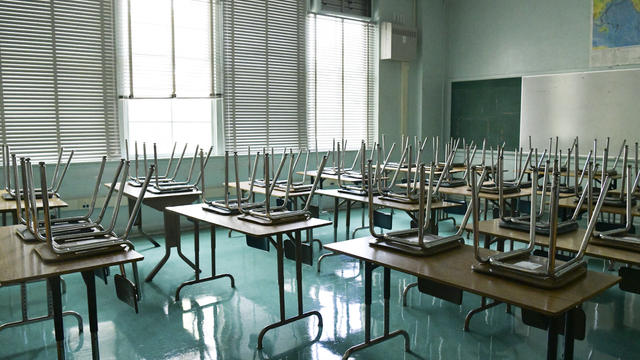
Health officials are also concerned about the growing number of COVID-19 cases in students.
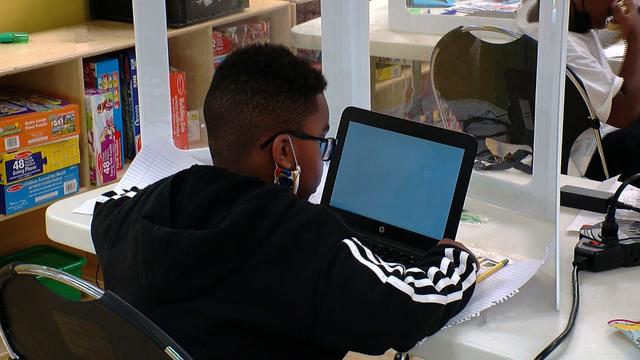
So the Y went all in with support of businesses like Xcel, Securian Financial and US Bank, which are all helping to fund technology pods at 19 Twin Cities locations.
College campuses have seen the most concerning increases as people ages 18 to 24 have a case rate that's five times higher than any age group in Wisconsin.
