
Coronavirus Update: Best Buy To Furlough More Than 50,000 Hourly Workers
Minnesota-based Best Buy has reportedly furloughed 50,000 of its hourly workers as Americans are cutting spending amid the COVID-19 pandemic.
Watch CBS News
Minnesota-based Best Buy has reportedly furloughed 50,000 of its hourly workers as Americans are cutting spending amid the COVID-19 pandemic.
UnitedHealth Group is sticking to its profit outlook for the year and says it won't seek any federal assistance to make it through a coronavirus outbreak that has hobbled much of the economy.

There is new light shining each night in Minneapolis to symbolize collective strength.

It's unclear if businesses will reopen by the end of Minnesota's stay-at-home order on May 4. But when they do open, Gov. Tim Walz says things will likely look a little different.
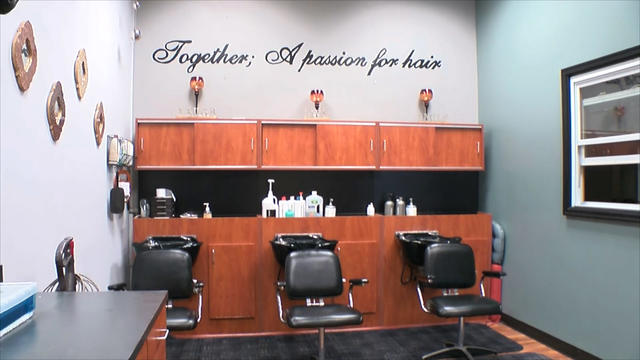
Businesses not deemed essential during the "Stay at Home" order are looking for different ways to make ends meet – and that includes salons and barber shops.
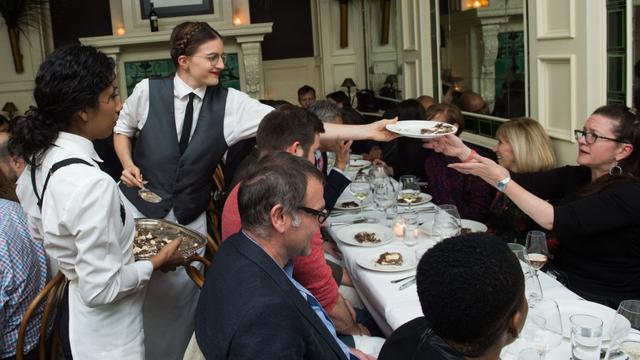
Jason Bowell, assistant general manager of New York's venerable Beatrice Inn and restaurant industry veteran, sees staff retention as key to a strong comeback.
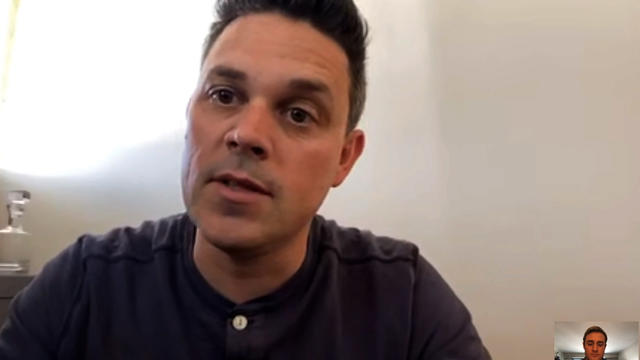
Small businesses that are struggling to stay afloat during the pandemic are starting to get a lifeline from the federal government.
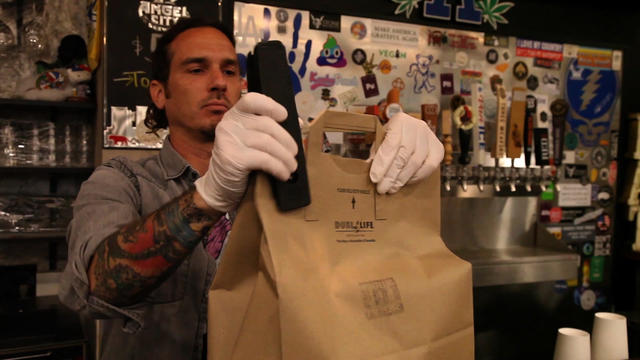
Minnesotans cannot buy alcohol to-go right now, but owners of bars and restaurants -- and a bipartisan group of lawmakers -- are hoping to change that.
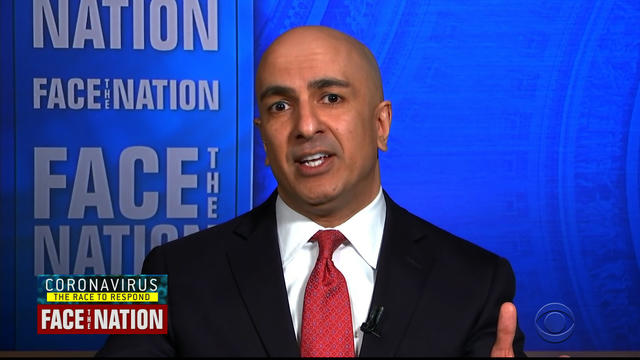
Neel Kashkari, president of the Federal Reserve Bank of Minneapolis, projects tough times ahead -- barring a healthcare miracle.

As the COVID-19 pandemic continues on longer and longer, it's forcing people who have upcoming major events to make changes.
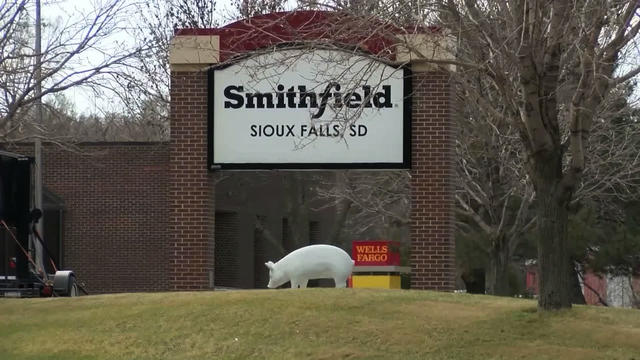
The South Dakota Department of Health confirmed more than 80 employees inside Smithfield Foods tested positive for COVID-19. They are now shutting down operations for three days.
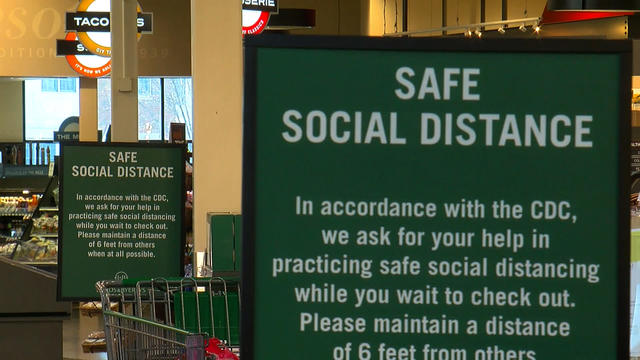
Minnesotans learned Wednesday that they will be spending even more time apart.
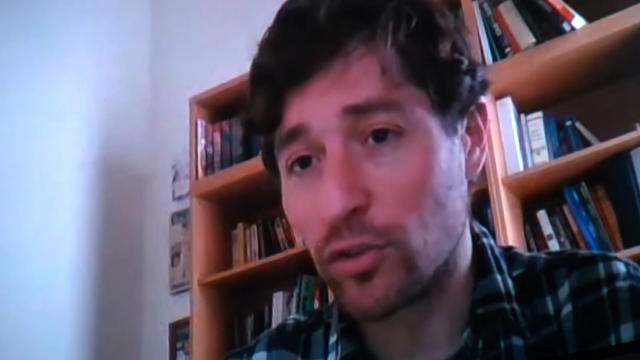
Minneapolis Mayor Jacob Frey says the city must tighten its belt in order to get thru this COVID-19 crisis.
Amazon says it's hired more than 600 workers in Minnesota as demand for its service has increased amid the COVID-19 pandemic.
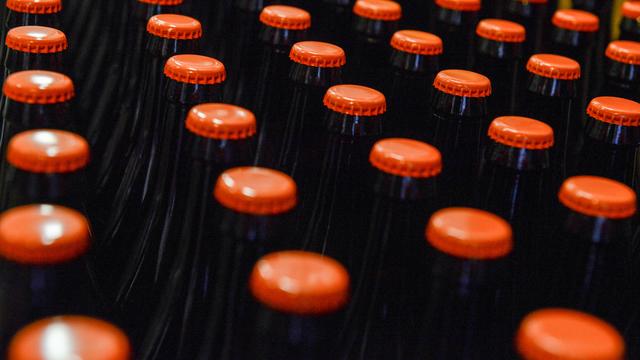
A push is underway to allow for more options for Minnesota breweries to sell alcohol as bars, taprooms and restaurants across the state are empty of customers amid the COVID-19 pandemic.
