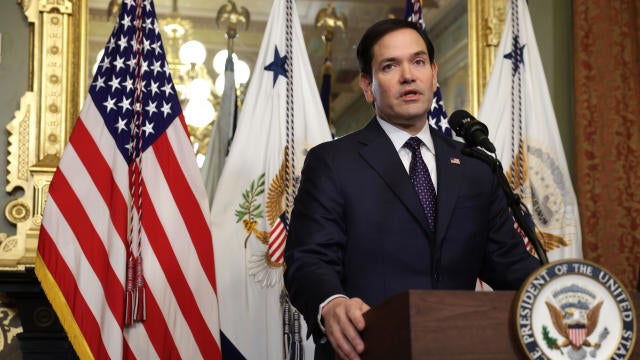
Rubio announces successful rescue of Venezuelan opposition from Argentine embassy
U.S. Secretary of State Marco Rubio did not provide details of the group's movements to reach the U.S., but he described the event as a rescue operation.
Watch CBS News
U.S. Secretary of State Marco Rubio did not provide details of the group's movements to reach the U.S., but he described the event as a rescue operation.
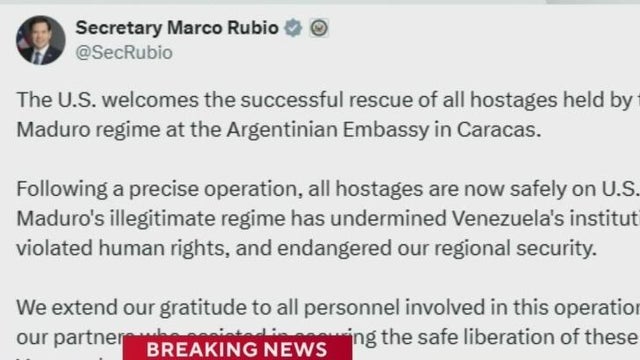
Five members of Venezuela's political opposition left the Argentine diplomatic compound in their country's capital, Caracas, where they had sheltered for more than a year to avoid arrest and were in the United States on Tuesday, U.S. Secretary of State Marco Rubio said.

The Trump administration is asking the U.S. Supreme Court to end Temporary Protected Status (TPS) from 350,000 Venezuelans. The program protects against deportation for those already in the country who cannot return home due to unrest or other dangerous conditions.
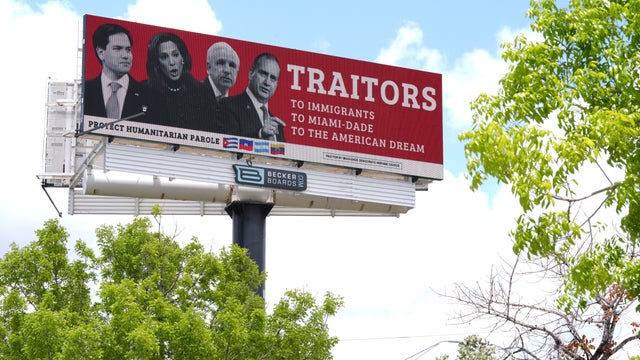
Three House Republicans from Florida with Cuban roots are carefully navigating President Donald Trump's immigration policies.
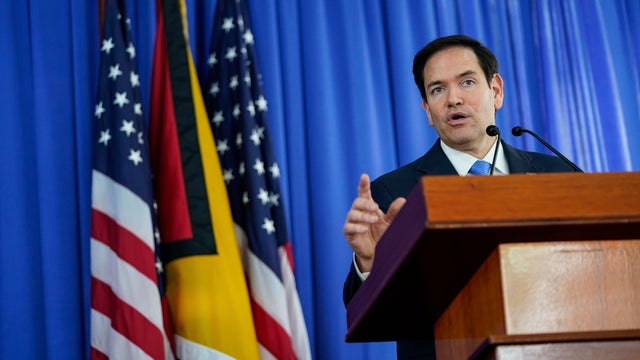
In March 2022, Marco Rubio had urged the Biden administration to extend TPS protections for Venezuelans, citing the ongoing crisis under Nicolas Maduro's regime.
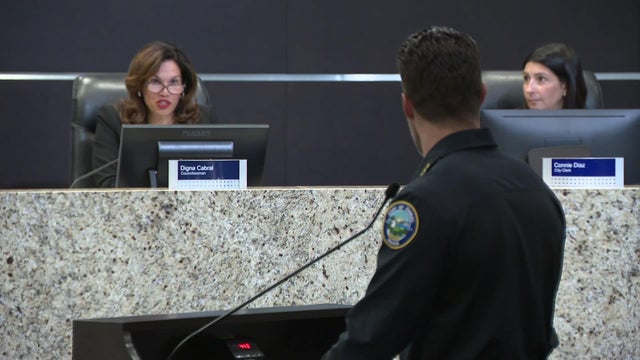
The decision, passed during a contentious city council meeting, has drawn attention in a city known for its large Venezuelan immigrant population.
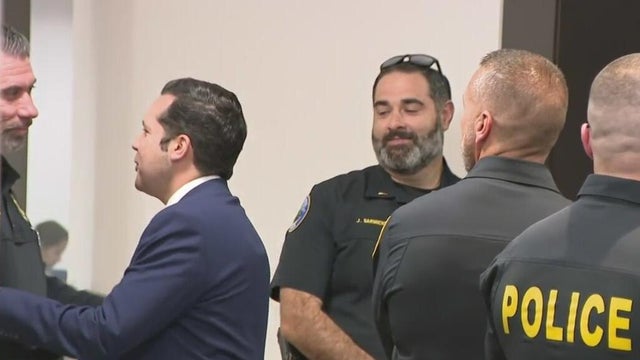
The Doral police force will comply with the state mandate to help with immigration enforcement, but what will that mean in a city that has so many Venezuelan immigrants?
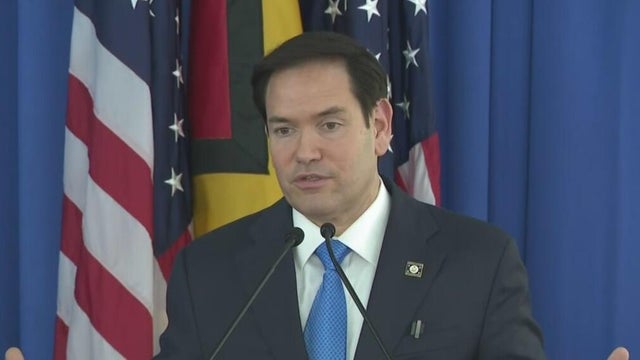
Newly released court documents show that US Secretary of State Marco Rubio endorsed the Trump administration’s move to end Temporary Protected Status for Venezuelans.
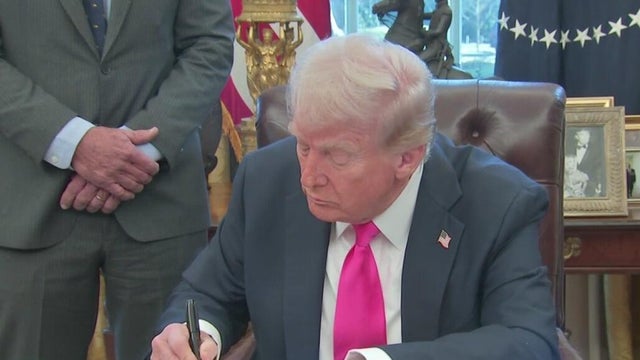
U.S. District Court Judge Indira Talwani ruled the Trump administration can't immediately revoke the deportation protections and work permits of hundreds of thousands of migrants from Cuba, Haiti, Nicaragua and Venezuela who entered the U.S. legally under a Biden-era program.

President Trump issued a proclamation on March 14 invoking the Alien Enemies Act to summarily deport Venezuelan migrants who are allegedly members of the gang Tren de Aragua.
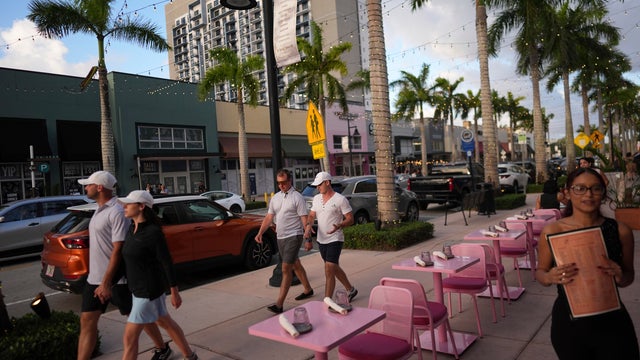
This is a documentary photo story curated by AP photo editors. Since Feb. 3, the Trump administration ended two federal programs that together allowed more than 700,000 Venezuelans to live and work legally in the U.S. It's all anyone discusses in Doral, Florida, the largest Venezuelan community in the United States. Hundreds of thousands of people dread what could face them if lawsuits against the government fail. They would have to remain illegally at the risk of being deported or return home, an unlikely route given the political and economic turmoil in Venezuela. A federal judge ordered last month that temporary protected status would stand until a legal challenge's next stage in court. At least 350,000 Venezuelans were temporarily spared becoming illegal.

Tattoos have been used by the Trump administration to allege Venezuelan men deported from the U.S. are members of the Tren de Aragua gang.
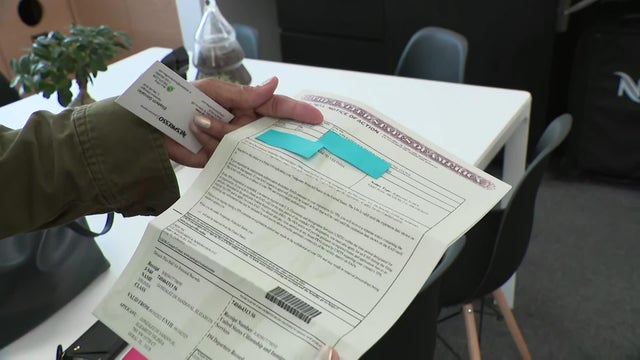
The Trump administration ended two federal programs that allowed more 700,000 Venezuelans to live and work legally in the U.S.
The ruling safeguards the status of approximately 350,000 Venezuelans in the U.S.

Morgan Rynor reports Venezuelan migrants were slated to lose their government-issued work permits and deportation protections next week, on April 7.
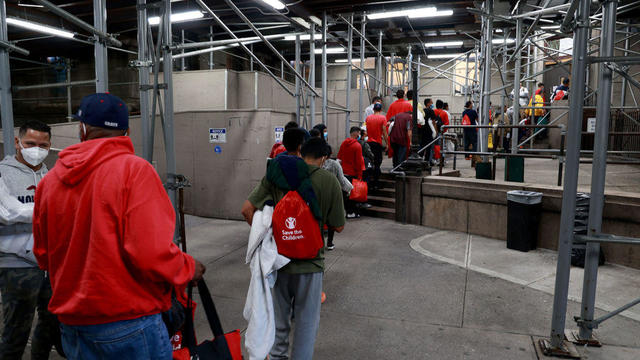
Venezuelan migrants were slated to lose their government-issued work permits and deportation protections next week, on April 7.
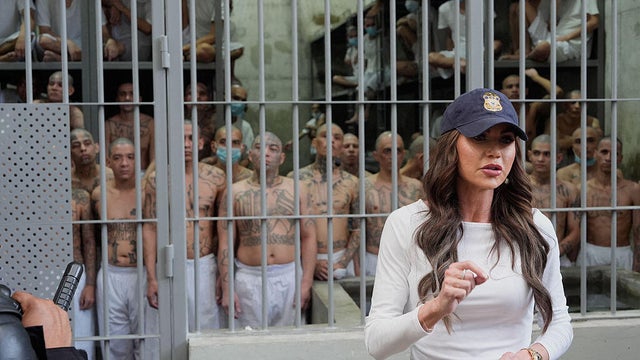
The Trump administration is arguing in federal court that it was justified in sending the Venezuelans to El Salvador, while activists say officials have sent them to a prison rife with human rights abuses.
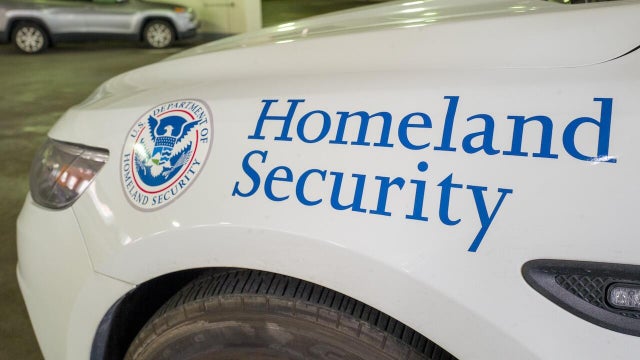
The Department of Homeland Security officially posted the notice to end protections for 530,000 Cubans, Haitians, Nicaraguans and Venezuelans to the Federal Register.
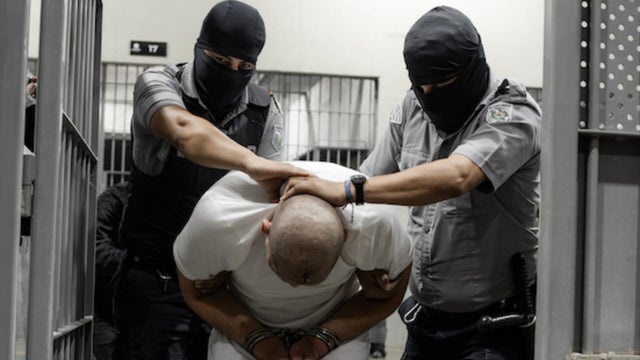
The Trump administration continues to insist it didn't defy a federal judge's order when it failed to turn around planes carrying Venezuelan migrants to El Salvador.

The Justice Dept. invoked a state secrets privilege, refusing to give judge any more information about the deportation of Venezuelan migrants to El Salvador.

The Department of Homeland Security officially posted the notice to end protections for 530,000 Cubans, Haitians, Nicaraguans and Venezuelans to the Federal Register on Tuesday, March 25.
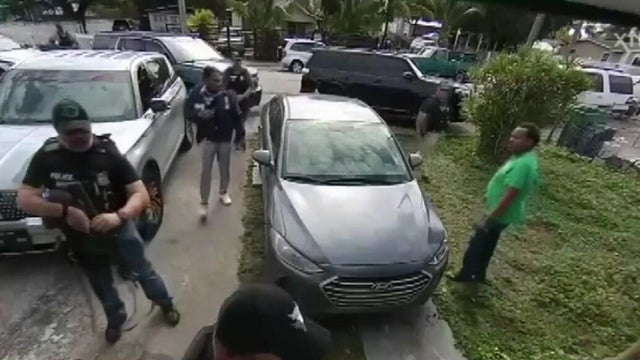
The federal government officially posted the notice to end protections to the federal register. The people affected will have 30 days to self deport.

Venezuelan President Nicolás Maduro had suspended flights on March 8, after the U.S. Treasury Department announced the withdrawal of Chevron's license to export Venezuelan oil.
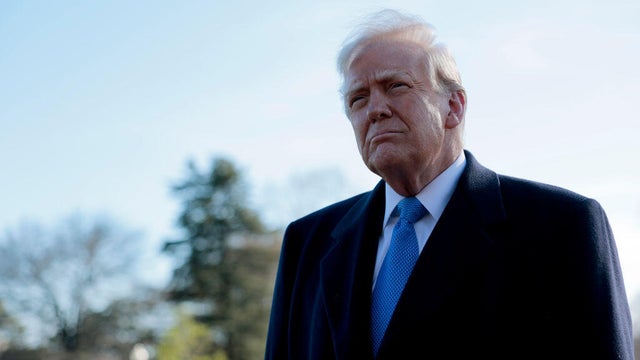
A total of 532,000 migrants from from Cuba, Haiti, Nicaragua and Venezuela entered the U.S. under the CHNV policy.
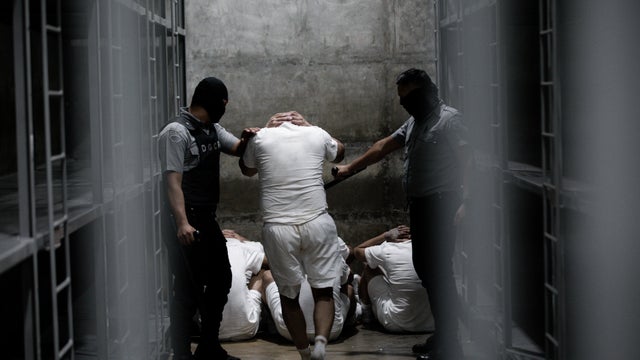
The court asked the government if "someone is not a member of Tren de Aragua or not a Venezuelan citizen or a U.S. citizen," how do they challenge their removal?