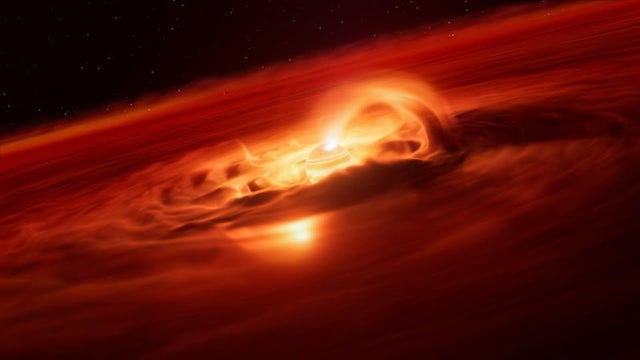
Mysterious planet is gobbling 6 billion tons of gas and dust a second
ESO's Very Large Telescope has observed a rogue planet and revealed that it is eating up gas and dust from its surroundings at a rate of 6 billion tons a second.
Watch CBS News
ESO's Very Large Telescope has observed a rogue planet and revealed that it is eating up gas and dust from its surroundings at a rate of 6 billion tons a second.
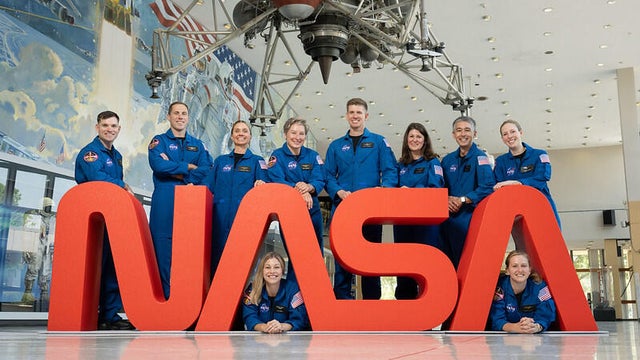
The new selection of NASA astronauts will spend two years in training before becoming eligible for flight assignments.
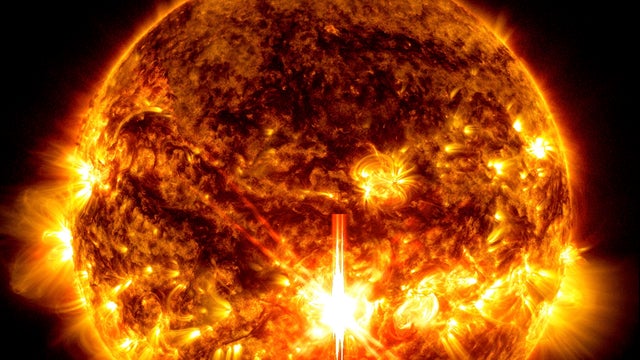
The sun has become more and more active over the last 16 years, in a turn that surprised scientists and could affect space weather, NASA said.
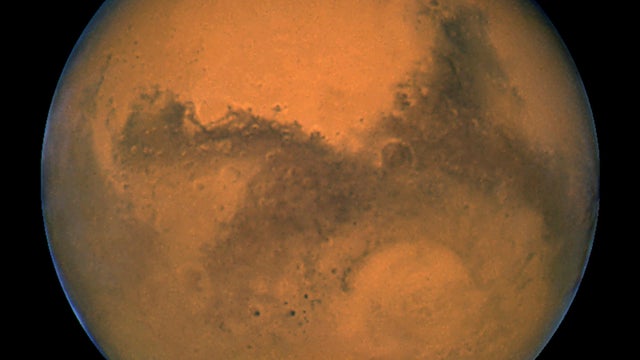
NASA's Mars rover Perseverance has uncovered rocks in a dry river channel that may hold potential signs of ancient microscopic life.
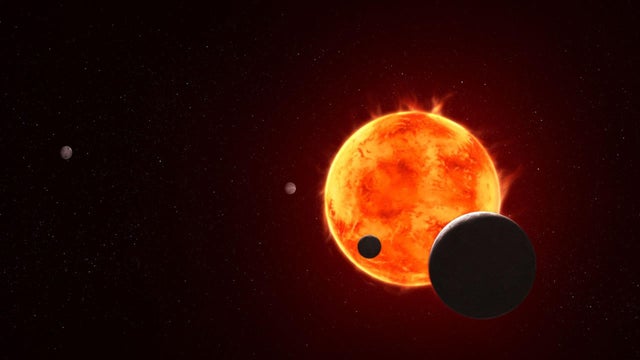
Exoplanet TRAPPIST-1 e may contain an atmosphere and liquid water, NASA scientists said. Research into the exoplanet is ongoing.
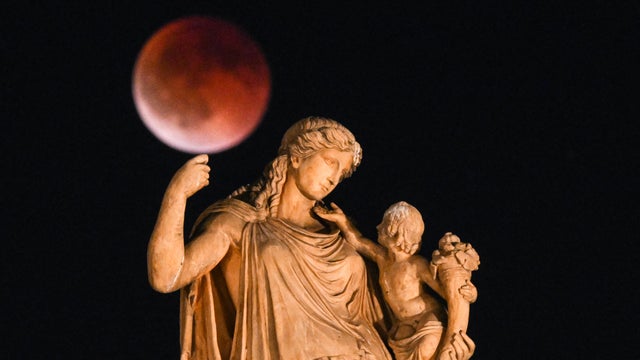
A blood moon rose in the night sky this week, offering a dazzling celestial event for people across multiple continents.
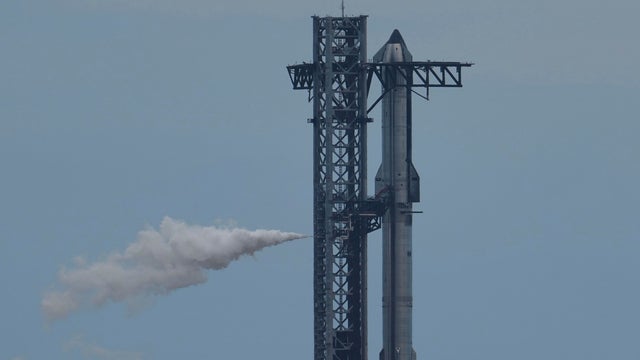
SpaceX hopes to pick up the pace with Super Heavy-Starship test flights amid concern the rocket may not be ready in time for a planned 2027 moon landing.
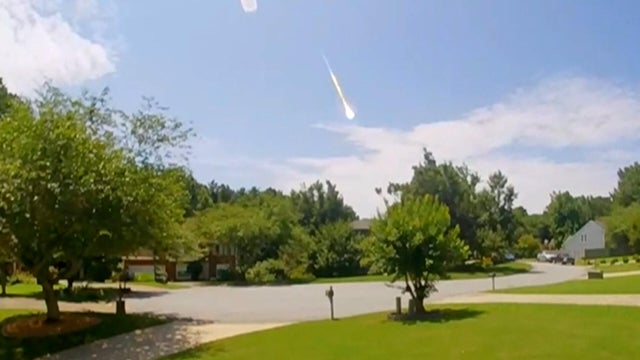
A mysterious fireball blazed across the sky in broad daylight on June 26, sparking hundreds of siting reports in Georgia and South Carolina.
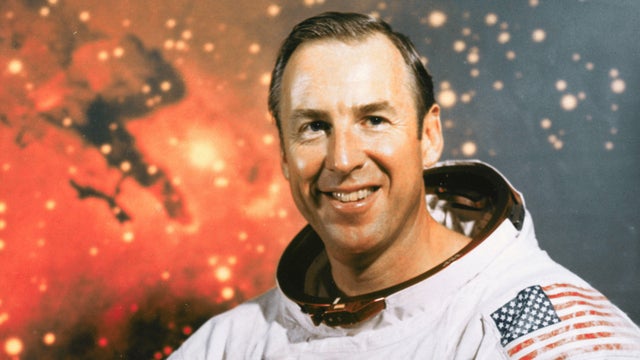
Astronaut Jim Lovell circled the moon on Apollo 8 and helped bring Apollo 13 home safely despite a mishap far from Earth.
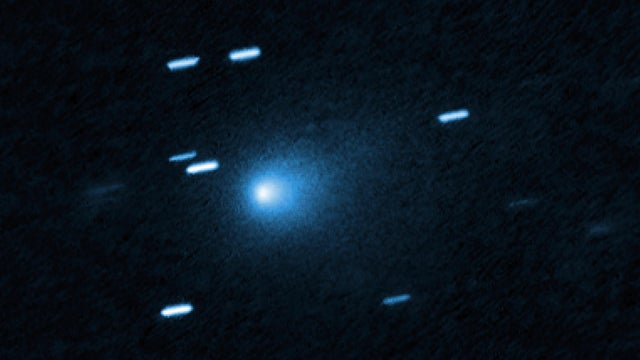
Discovered last month by a telescope in Chile, the comet known as 3I-Atlas is only the third known interstellar object to pass our way.
About 3,870 employees have applied to depart NASA over two rounds through the Trump administration's deferred resignation program, the agency disclosed.
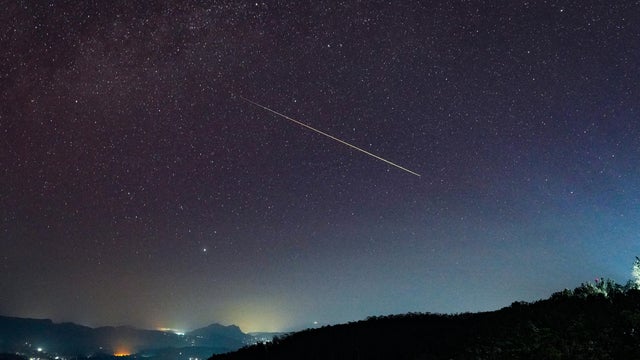
The Perseids meteor shower begins this week and is expected to offer one of the best astronomy shows of 2025.
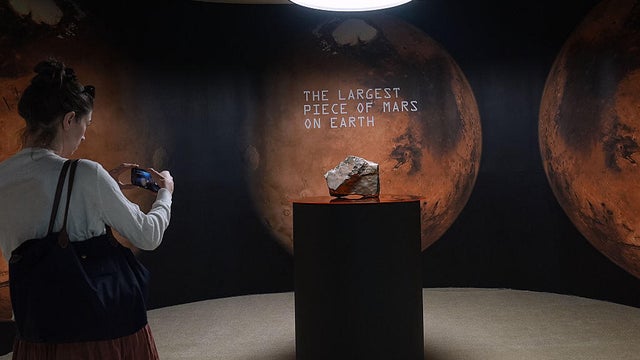
A 54-pound meteorite from Mars sold for more than $5 million when it went up for auction on Wednesday at Sotheby's.
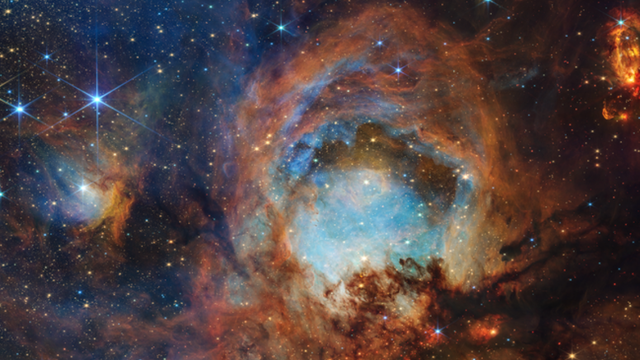
The Cat's Paw Nebula is about 4,000 light-years from Earth, near the constellation Scorpius.
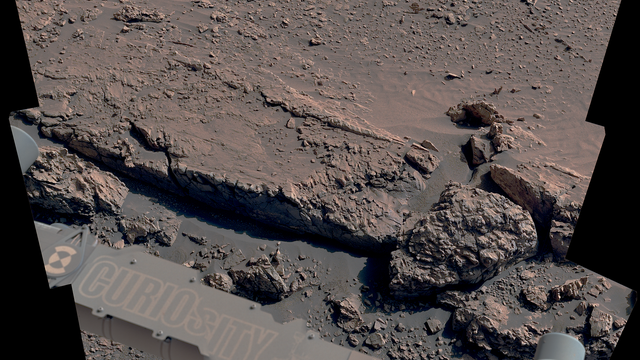
The new images by the Curiosity rover on Mars show "dramatic evidence" of ancient groundwater in crisscrossing low ridges, NASA said.