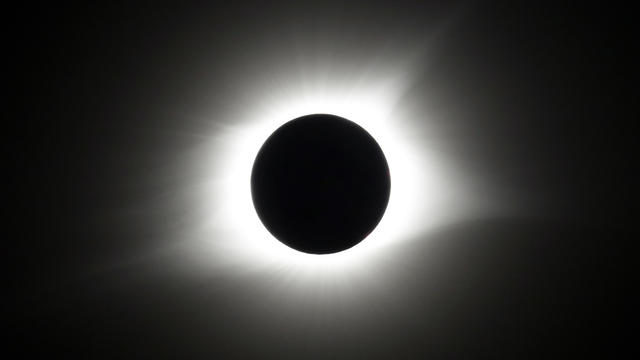
A total solar eclipse will darken U.S. skies on April 8, 2024
About 31.6 million people live in the path of today's total solar eclipse across the U.S., and millions more will see a partial eclipse. Here's how and where to see it.
Watch CBS News
About 31.6 million people live in the path of today's total solar eclipse across the U.S., and millions more will see a partial eclipse. Here's how and where to see it.
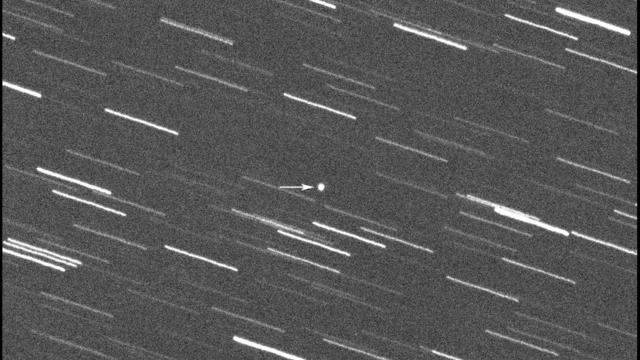
NASA estimates the biggest asteroid headed our way is between 690 feet and 1,575 feet across.
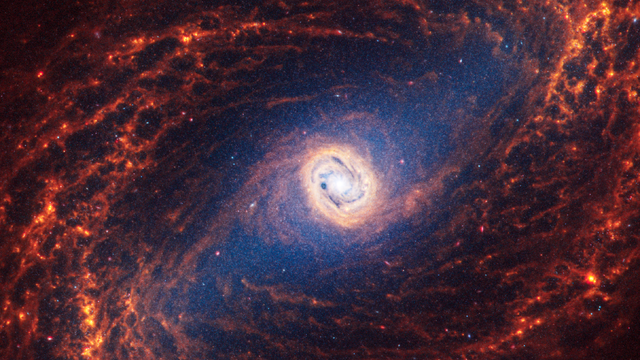
The new images captured by the James Webb Space Telescope are "mind-blowing even for researchers who have studied these same galaxies for decades," one scientist said.
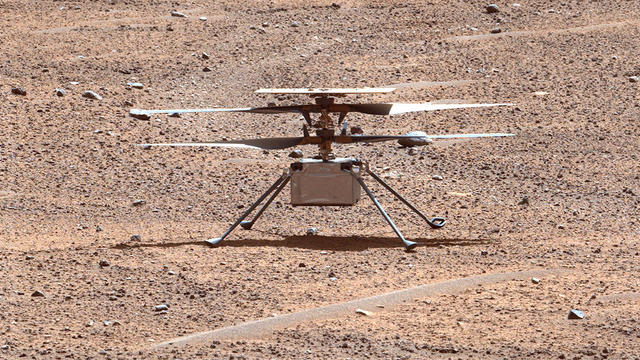
Living long past its design lifetime, the Ingenuity helicopter was finally done in by rotor damage during a presumed off-kilter landing.

January's first full moon, known as the Wolf Moon, will appear full for around three days, according to NASA.
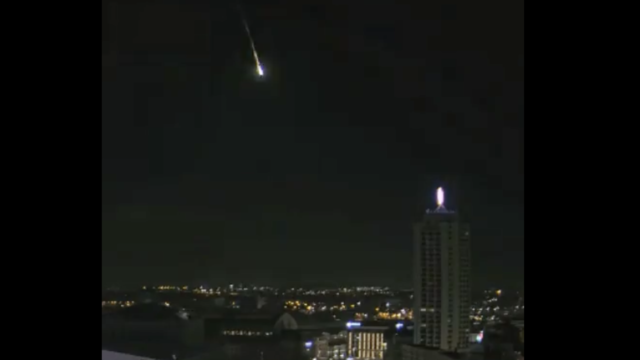
The "fireball" — or shooting star — disintegrated while hurdling toward the ground about 30 miles west of Berlin early Sunday morning, experts said.
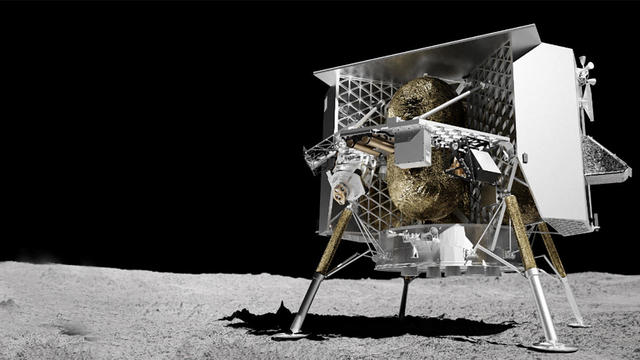
Engineers are troubleshooting an apparent propulsion system issue that threatens a planned moon landing next month.
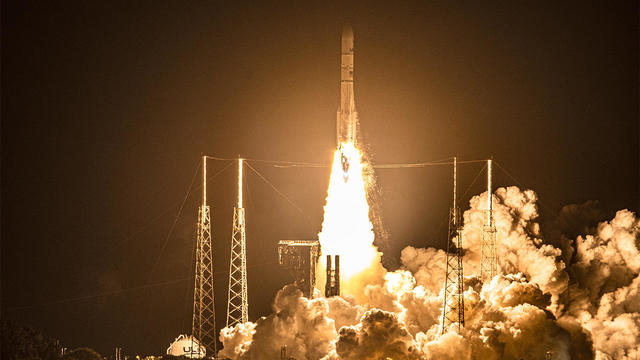
Pittsburgh-based Astrobotic's Peregrine is the first U.S. spacecraft to attempt a moon landing in more than 50 years.
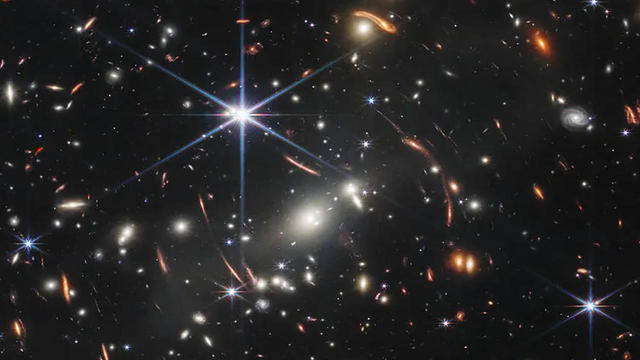
In the two years since the telescope was blasted into orbit, it has performed like a champ, capturing phenomenal images of the heavens and collecting data about distant planets – and scientists say it will continue for decades.

Astronauts in the International Space Station said they found the rogue fruit, dispelling claims that astronaut Frank Rubio ate it.
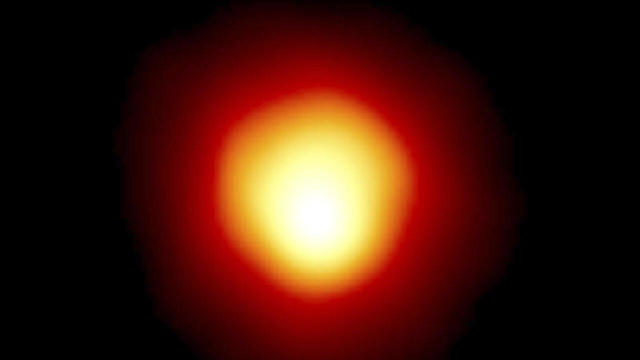
Betelgeuse, one of the biggest and brightest stars in the night sky, will momentarily vanish as an asteroid passes in front of it to produce a one-of-a-kind eclipse.
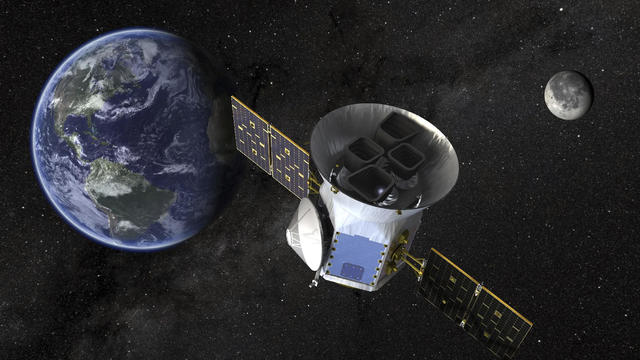
Astronomers have discovered six planets orbiting a bright, nearby star in perfect synchrony like a grand cosmic orchestra.
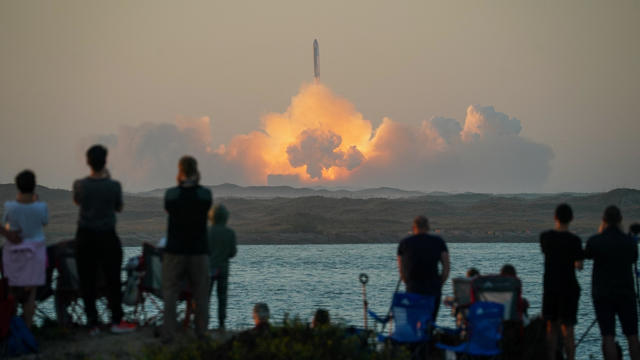
Seven months after a catastrophic failure, SpaceX launched its Super Heavy-Starship, the most powerful rocket ever built, but once again ran into problems.
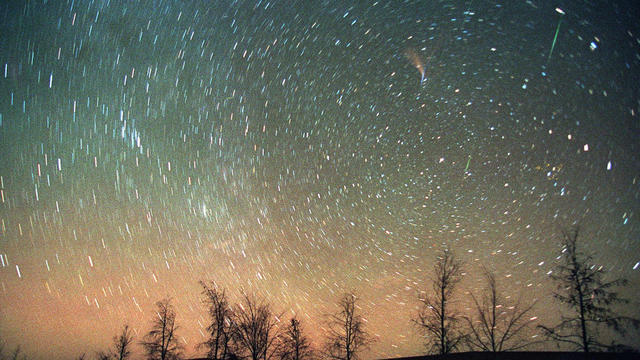
The Leonid meteor showers are fast – streaking by at 44 miles per second, according to NASA. Still, some stargazers can see them at their peak this week.

You can track where the tool bag is in its orbit around Earth.