
Frank Borman, Apollo 8 astronaut who orbited the moon, dies at age 95
Frank Borman flew on the Apollo 8 mission, the first NASA mission to leave low Earth orbit and reach the moon.
Watch CBS News
Frank Borman flew on the Apollo 8 mission, the first NASA mission to leave low Earth orbit and reach the moon.
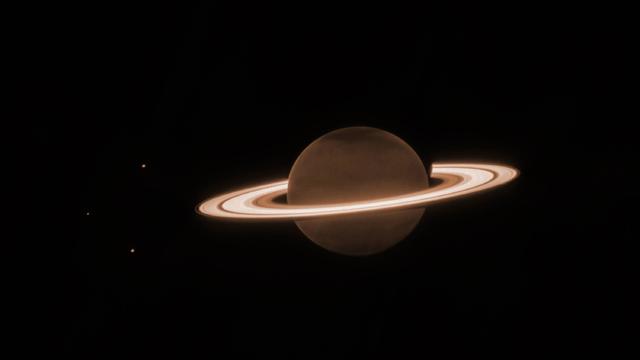
Saturn's rings will seemingly disappear from view in 2025, a phenomenon caused by the planet's rotation on an axis.
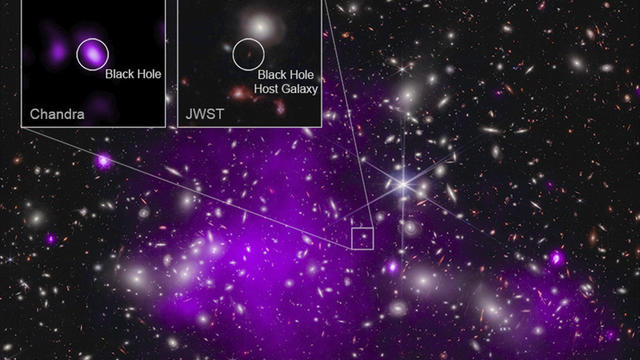
"It's astounding how this thing actually is sitting in place already with its galaxy so early on in the universe," said one of the study's authors.
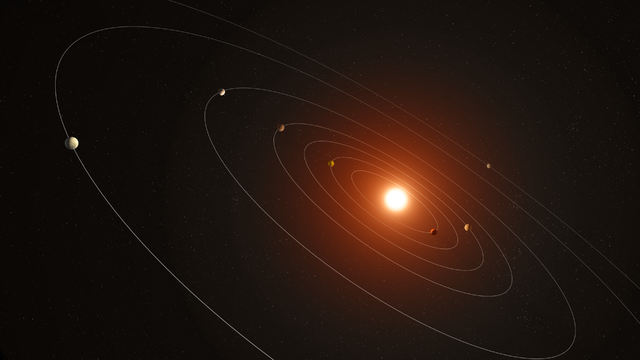
NASA described the planets as "scorching" and "bathed" in heat emitted by a distant host star.
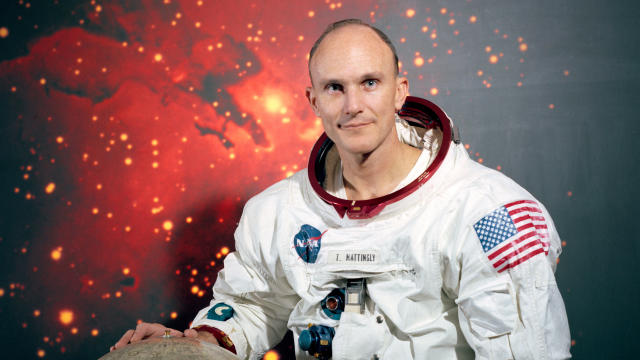
Mattingly was also known for being removed from the ill-fated Apollo 13 crew 72 hours before its scheduled launch.
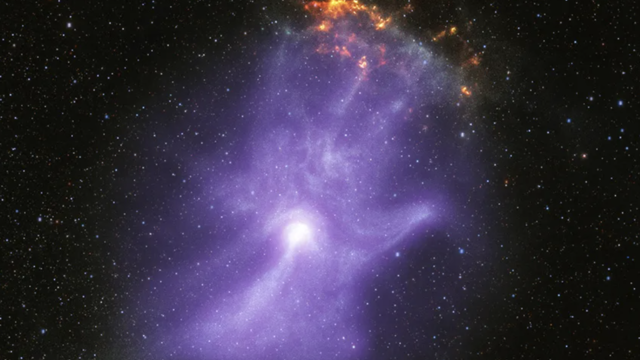
NASA's Imaging X-Ray Polarimetry Explorer telescope studied the nebula for about 17 days, the agency said, marking the longest time it has focused on one object.
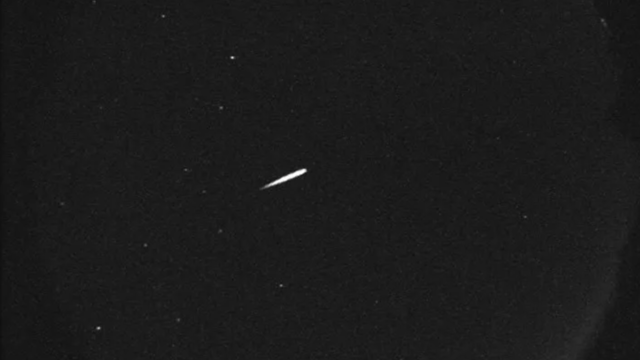
The Orionids are known for their brightness and speed, traveling at about 41 miles per second.
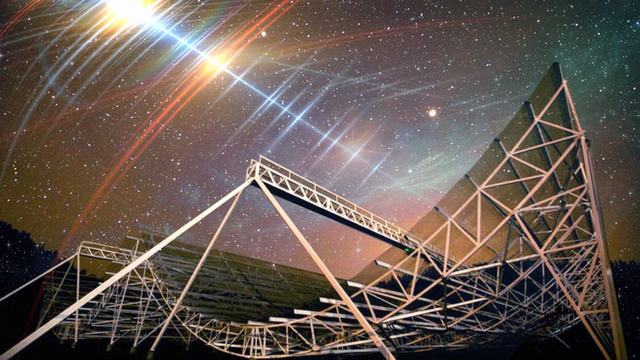
Exactly what causes fast radio bursts has become one of astronomy's great mysteries.
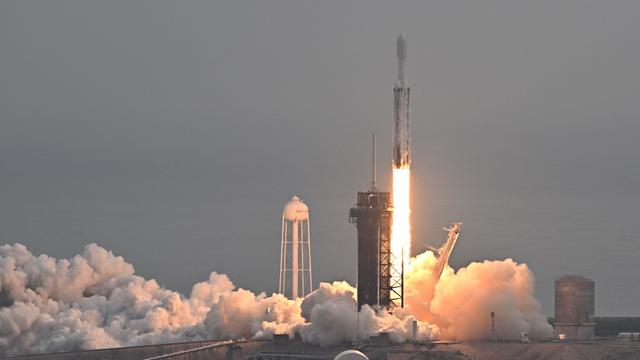
The asteroid Psyche may be a sample of planetary core material left over from the birth of the solar system 4.5 billion years ago.
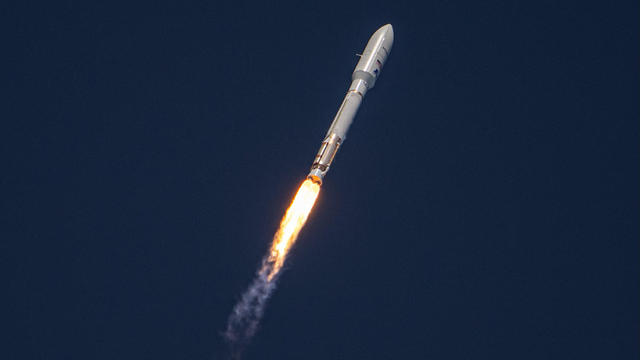
Amazon plans to launch more than 3,000 internet relay satellites, competing with SpaceX and others in a fast-growing marketplace.
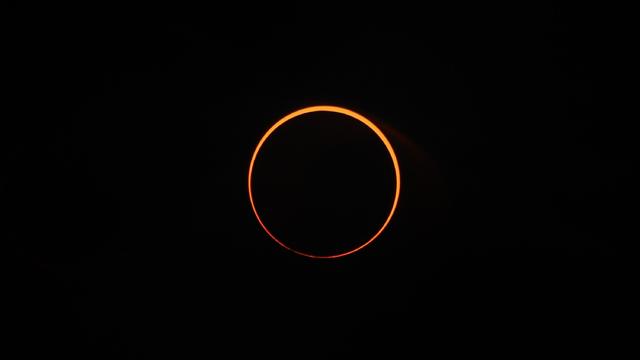
A rare "ring of fire" solar eclipse will move across the U.S. on Saturday. NASA shared a viewing map and timeline.
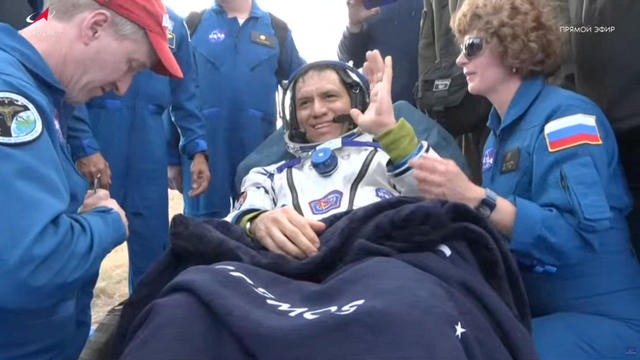
Descent from the International Space Station closed out an unexpected 371-day stay, the longest flight in U.S. space history.
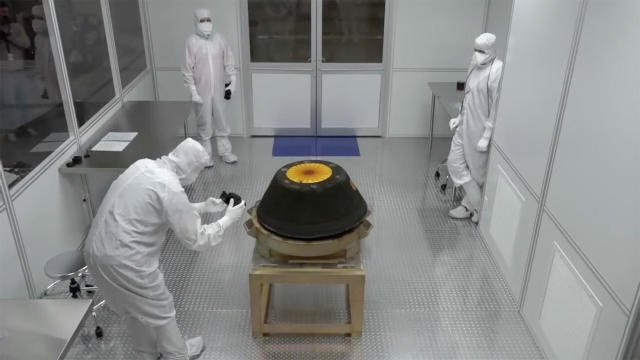
In a dramatic 13-minute plunge back to Earth, the OSIRIS-REx sample return capsule safely landed in Utah after seven years in space.
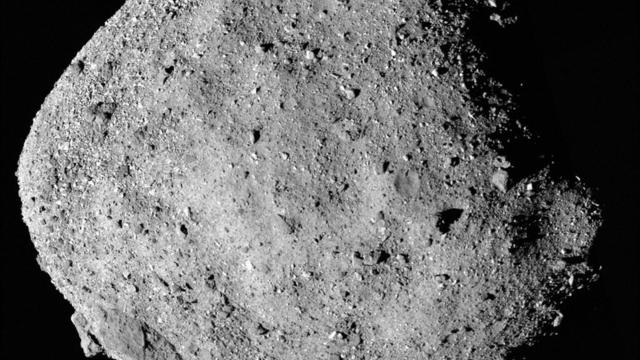
The OSIRIS-REx sample return in Utah will bring a seven-year, four-billion-mile journey to a close, providing insights into the birth of the solar system.
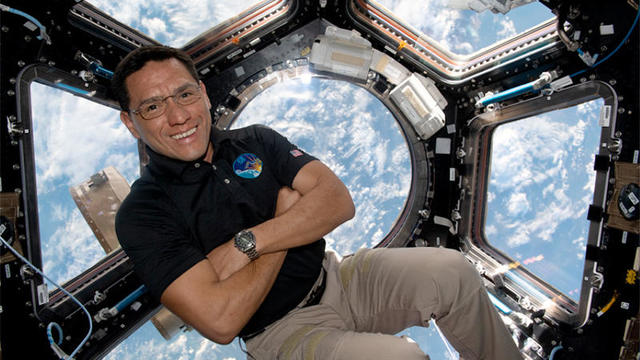
Frank Rubio and two cosmonaut crewmates return to Earth next Wednesday to wrap up a U.S. record 371-day stay in orbit.