The GOP campaigns list their demands for networks
CBS News has obtained the final draft letter the Republican campaigns will be sending to the networks sponsoring presidential primary debates, and in that letter is a long list of demands to be met before candidates will agree to participate.
The letter is the outcome of a meeting of staffers from nearly all the GOP campaigns Sunday evening in which they concluded that it was time for them to take control of debate negotiation with the networks, a process that had been overseen by the Republican National Committee (RNC).
Many of the campaigns were unhappy with the last debate, sponsored by CNBC, complaining about coordination, the manner of questioning, the content of the questions, the proposed length of the debate, and even the candidates' green rooms.
Broadly, the candidates want tighter coordination, opening and closing statements, and fairer distribution of questions. Bearing in mind that the letter is the first step in negotiations and not a final agreement, there are some interesting requests. They don't quite match Mariah Carey's reported demands for Cristal champagne and bendy straws or a special attendant to dispose of her chewed gum, but they have some surprising riders of their own. Read on to find out about some of the more interesting riders in their list.
Keep the room cool
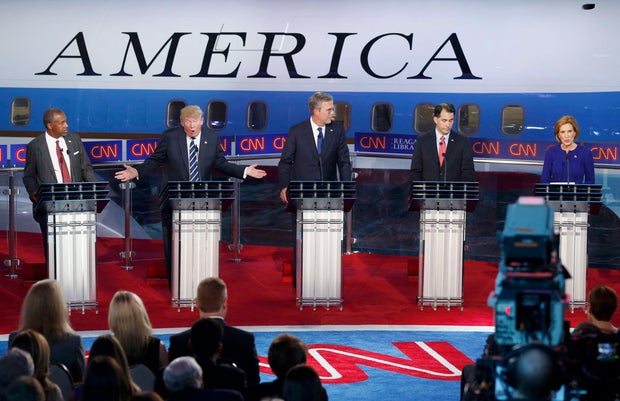
The letter demands of the networks, "Can you pledge that the temperature in the hall be kept below 67 degrees?"
This proposed requirement likely stems from CNN's Simi Valley, California debate, the second meeting of the GOP candidates. Chris Christie, in an appearance on "Fox and Friends" Monday morning, boasted, "I didn't sweat at all in that debate. I saw (Scott) Walker sweating, and I saw (Marco) Rubio sweating like crazy, but I didn't sweat, and if I'm not sweating, how hot was it?"
Some viewers, however, thought it looked pretty hot, and said so on social media.
Yes or no on graphics
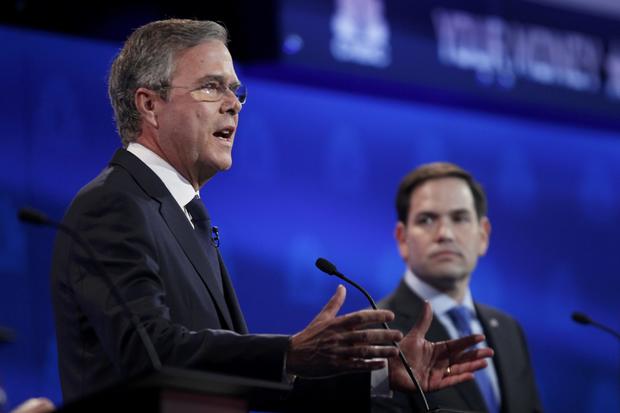
The campaigns also want "candidate pre-approval of any graphics and bios you plan to include in your broadcast about each candidate."
This one likely stems from the fact that at one point during the debate last week, CNBC showed a graphic that mentioned Jeb Bush's work as a financial consultant for Barclays and Lehman Brothers but omitted his two terms as governor of Florida.
About the audience...
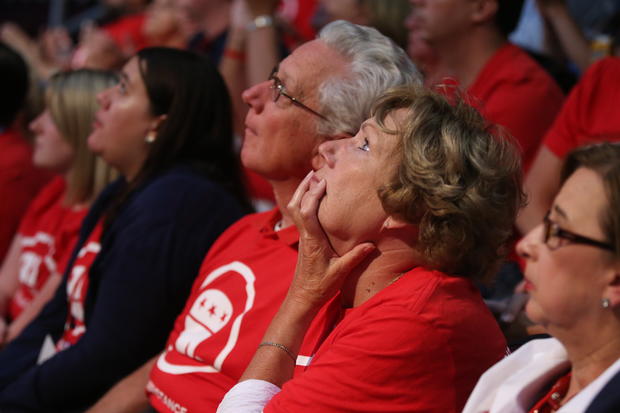
The networks are asked to commit that "you will not...have reaction shots of members of the audience or moderators during the debates?"
And further, networks are asked to promise that they won't "allow members of the audience to wear political messages (shirts, buttons, signs, etc)." And, campaigns want to know, "Who enforces?"
They also want to know how big the audience is, whether there will be questions from the audience or social media, and further, "Will you (the network) acknowledge that you, as the sponsor, take responsibility for all questions asked, even if not asked by your personnel?"
And one more thing: "What instructions will you provide to the audience about cheering during the debate?"
What not to ask the candidates
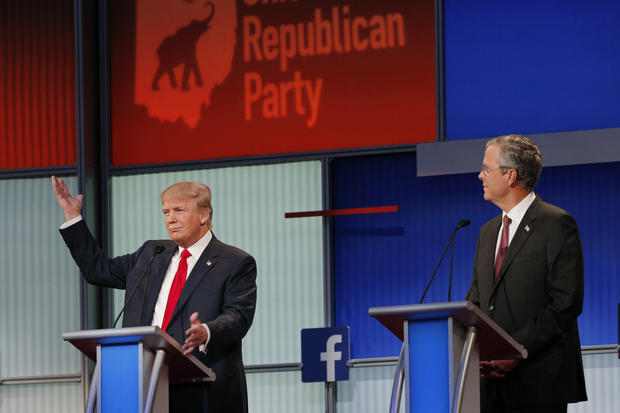
When it comes to the questioning of the candidates, campaigns also had an array of conditions to be met by the networks. If they have their way, there will be no more "lightning rounds." No yes or no questions "without time to provide a substantive answer."
No candidate-to-candidate questioning. And forget about asking the candidates to raise their hands to answer a question.
Candidates and bathrooms
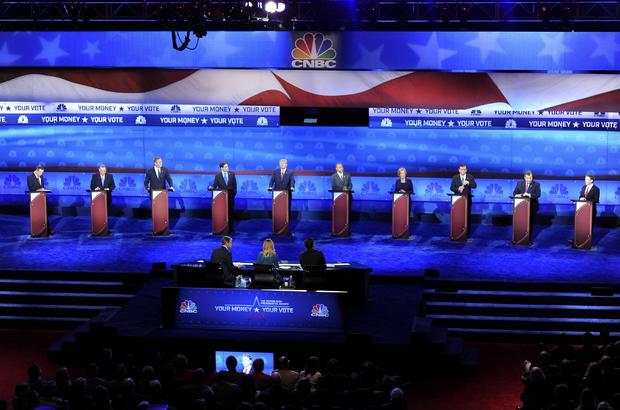
Candidates also don't want networks to "show an empty podium" and "describe how far away the bathrooms are."
If reports last week about Christie's green room are accurate, he apparently didn't have to go far to use the restroom. His campaign manager had complained before the third GOP debate that the green room that had been assigned to Christie was "ridiculous," adding, "We're in a restroom."
On Monday, however, Christie, in an appearance on Fox suggested to his opponents, "If you can't exert bladder control for two hours, maybe you shouldn't be the president of the United States."