Inside the ATF's Fire Research Lab and its investigation into the Palisades Fire cause

More than seven months after the Palisades Fire first erupted, burning through thousands of homes and killing a dozen people, investigators have finally provided a cause for the destructive blaze and arrested a person they believe is responsible for the events leading up to the fire.
The Bureau of Alcohol, Tobacco, Firearms and Explosives led the investigation, utilizing its sprawling Fire Research Lab to assist investigators as they examined every possible factor contributing to the cause of the blaze.
"We literally had agents with our partners, on their hands and knees, crawling through fire debris," said Kenneth Cooper, the Special Agent in Charge of the ATF's Los Angeles Field Division, while speaking at a news conference on Wednesday, when authorities announced an arrest.
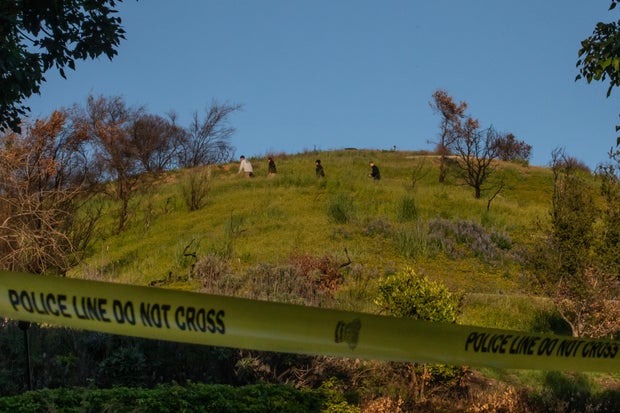
He walked through the investigation that led to 29-year-old Florida man Jonathan Rinderknecht's arrest on Wednesday. Investigators say that he was taken into custody for starting a "holdover fire," or a blaze known as the Lachman Fire, on Jan. 1. The initial fire burned about eight acres before it was extinguished. However, the immense gusts of wind on Jan. 7 rekindled the embers still smoldering underground, which turned into the Palisades Fire.
Cooper emphasized the roles that science played in leading to Rinderknecht's arrest. He said that his investigative team collected tons of debris in buckets, which was then sent off to their fire research lab.
The ATF's Fire Research Laboratory, which is located in Maryland, is the nation's only large-scale fire lab solely dedicated to fire and explosion investigations. CBS News crews visited the sprawling complex, where there are forensic burn rooms that allow investigators to simulate fires and record data that is then examined by teams of engineers, chemists and other specialists.
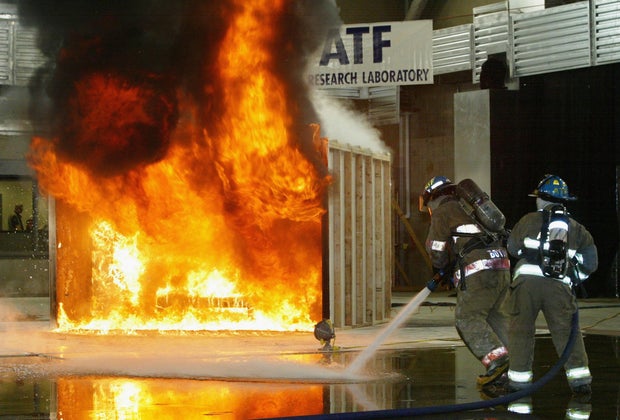
Cooper says that the lab's scientists conducted approximately 500 tests as part of their investigation in the Pacific Palisades.
"Data from weather, including humidity, the exact temperature, the exact composition of those natural fuels found at that particular time," he said, listing just some of the many factors being examined by scientists as they tried to recreate similar conditions to those on Jan. 7.
Read more: LAFD releases Palisades Fire after-action report
Even with all of that, scientists still wanted to recreate a fire in the Pacific Palisades as part of the investigation. In April, ATF agents conducted a controlled fire near Temescal Ridge Trail and Skull Rock near the fire's origin.
"We recreated it in the exact lunar time that the fire started, meaning the exact size the moon was and as close to the starlit environment that that fire started, so we could recreate scientifically a fire, and see how fixed surveillance points saw that fire as it developed," Cooper said.
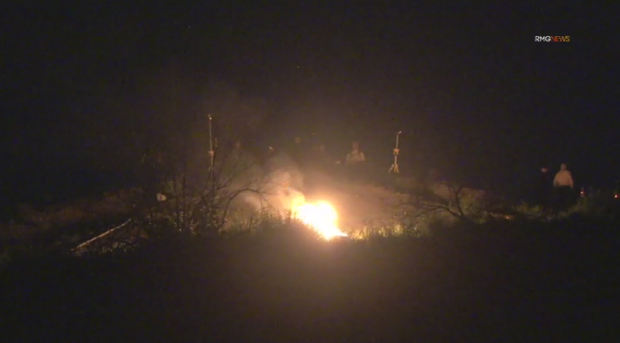
He said that fire reveals things about itself as it burns, through specific behaviors, including how it causes natural debris to "twist and freeze in a position pointing to the origin."
ATF agents believe that the work of scientists in this investigation will reinforce traditional police work. They're still investigating the blaze, despite having a cause and a person in custody, as they have thousands of pieces of digital data, DNA samples and witness statements to look into.