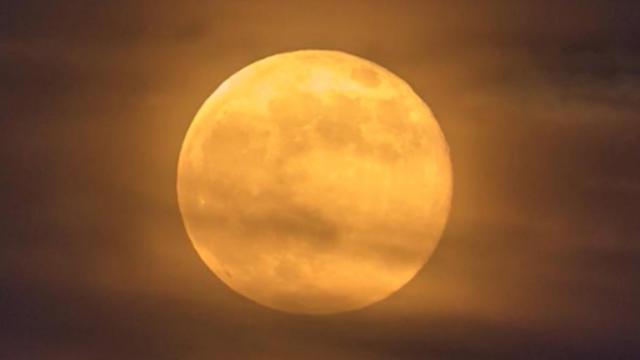
When and how to see September's Harvest Moon
The September Harvest Moon will see a partial lunar eclipse, peaking the night of Tuesday, Sept. 17.
Watch CBS News
The September Harvest Moon will see a partial lunar eclipse, peaking the night of Tuesday, Sept. 17.
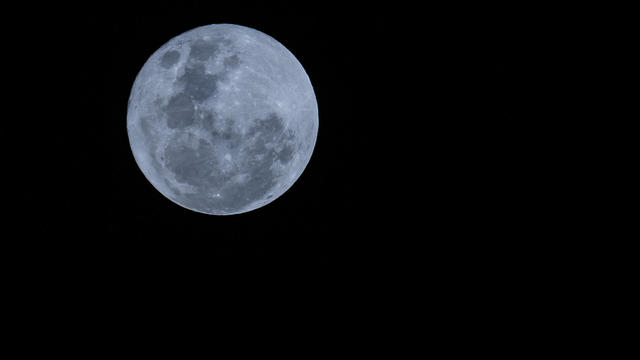
August's full moon, a rare blue moon and supermoon, is lighting up the night sky this week. Here's what time it peaks and where you should look.
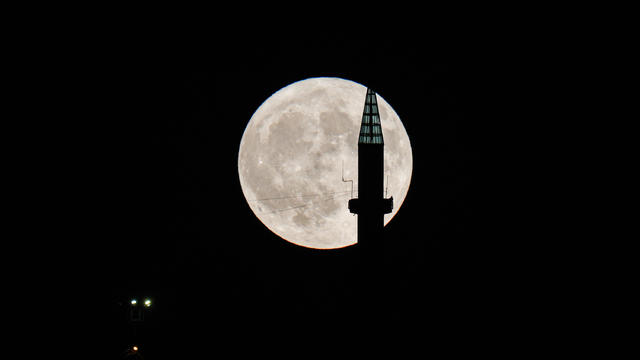
The first of 2024's four consecutive supermoons, the blue moon will reach peak illumination on Monday and will shine brightly through Wednesday.
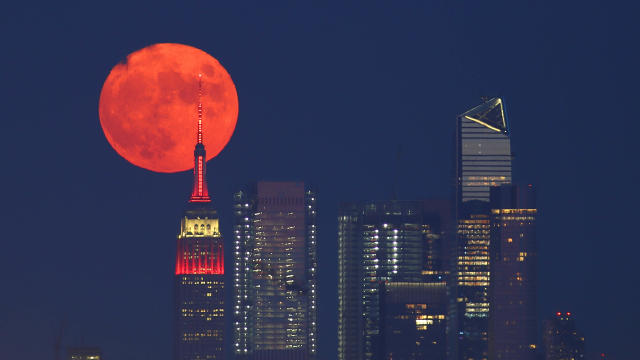
The full moon, also known as the Thunder Moon, will last three days, peaking on Sunday morning.
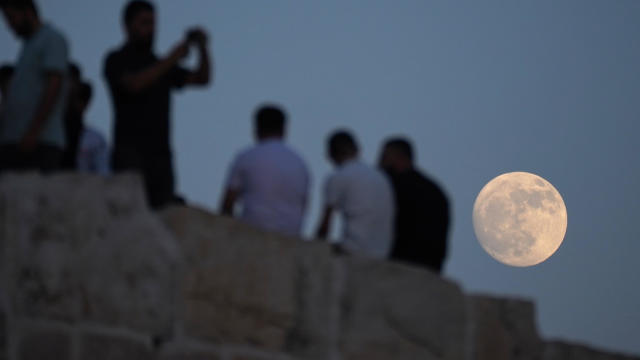
June's Strawberry Moon is arriving along with the start of summer.
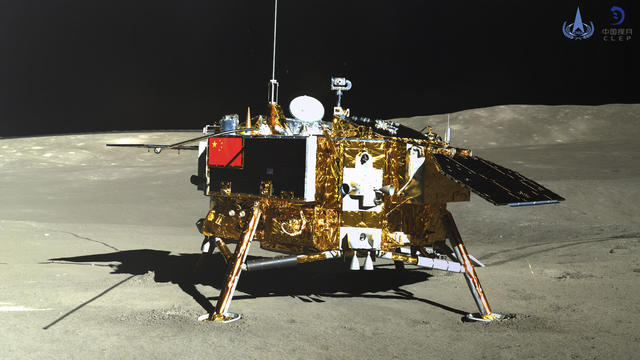
The spacecraft, part of the Chang'e moon exploration program, will collect soil and rock samples.
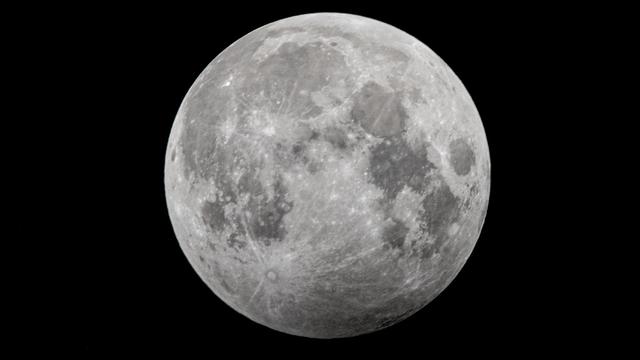
A process called cryopreservation allows cells to remain frozen but alive for hundreds of years. For some animal cells, the moon is the closest place that's cold enough.
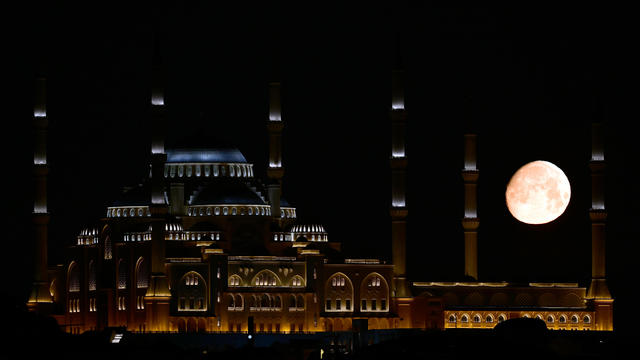
April's full moon, known as the Pink Moon, will reach peak illumination on Tuesday, but it will appear full from Monday morning through Thursday morning.
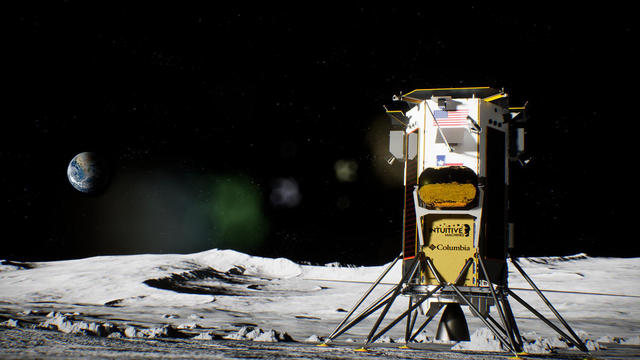
Intuitive Machines's Odysseus lunar lander became the first privately-built spacecraft to safely complete a moon landing.
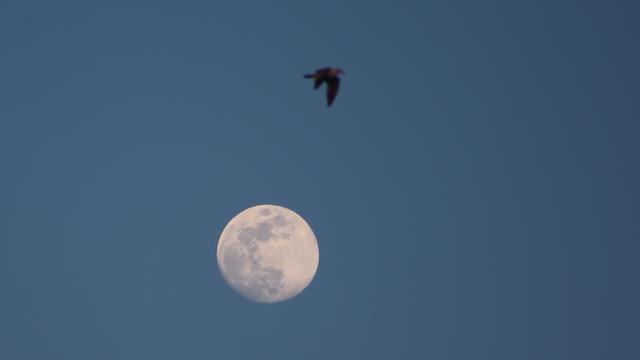
February's full moon, the Snow Moon, is also a micromoon.
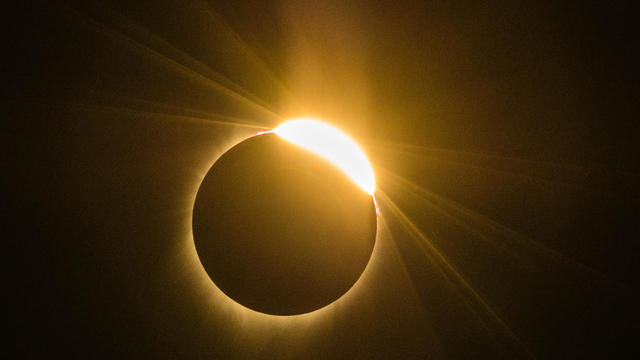
Astronomy fans can enjoy celestial events throughout 2024, looking to the sky to see full moons, meteor showers and a total solar eclipse. Here are the key dates to mark on your calendar.
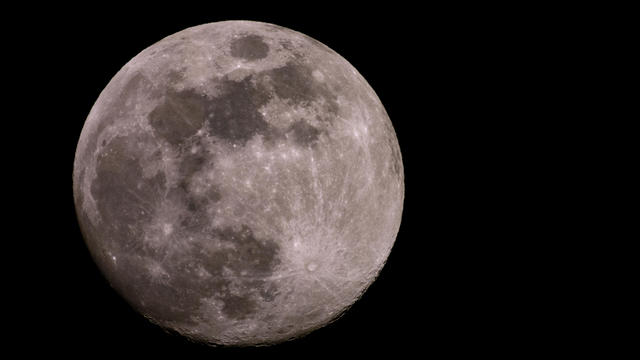
December's full moon, also known as the Cold Moon and Long Night Moon, will reach peak illumination on Tuesday at 7:33 p.m. ET.
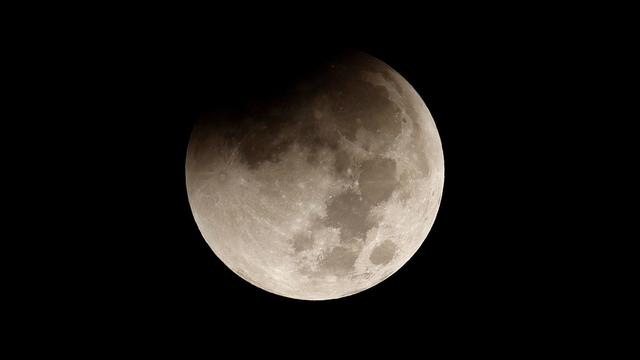
A partial lunar eclipse will take over the night sky on Saturday for a dazzling show that will allow sky-gazers to see part of Earth's shadow reflected on the moon.
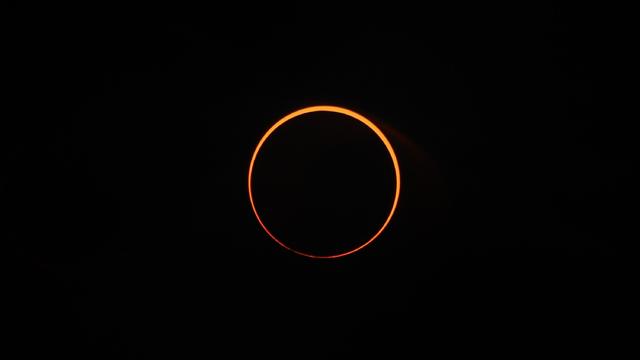
A rare "ring of fire" solar eclipse will move across the U.S. on Saturday. NASA shared a viewing map and timeline.
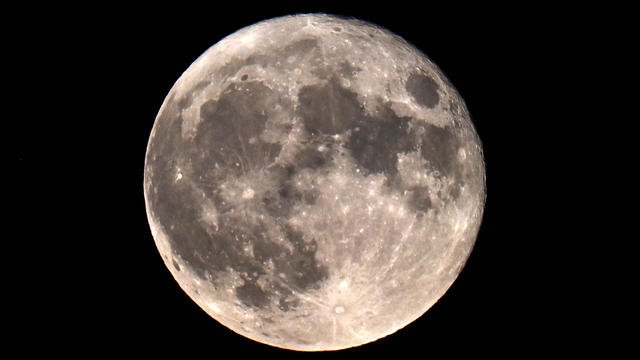
September's full moon, also known as the harvest moon, will be the last of four consecutive supermoons.
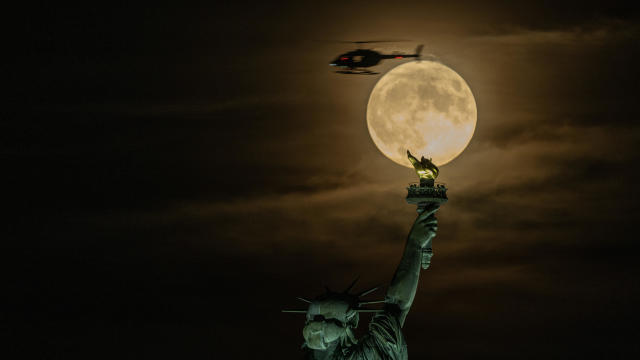
Millions of stargazers around the world looked to the sky last night to see the super blue moon — and many captured pictures.
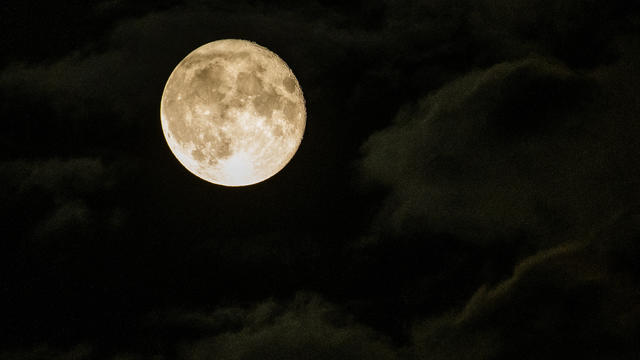
On Aug. 30, you will be able to see the month's second full moon, also known as a blue moon. It will appear bigger and brighter than usual, making it a supermoon, too.
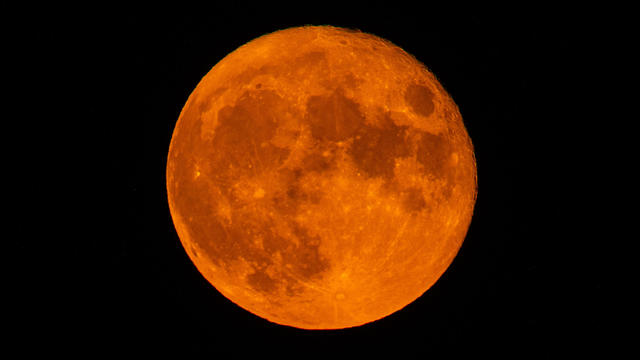
August features a pair of supermoons. The second supermoon will be a rare blue moon.
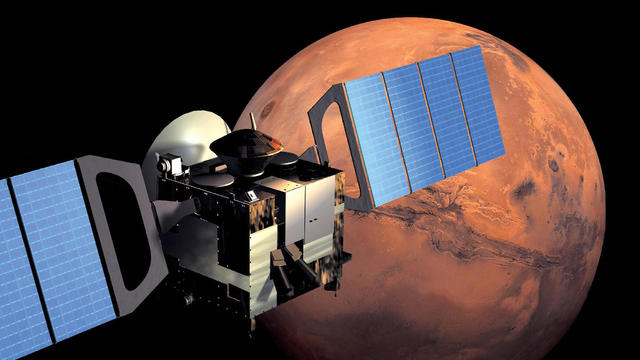
The minimum distance between Mars and Earth is about 34 million miles, according to NASA.
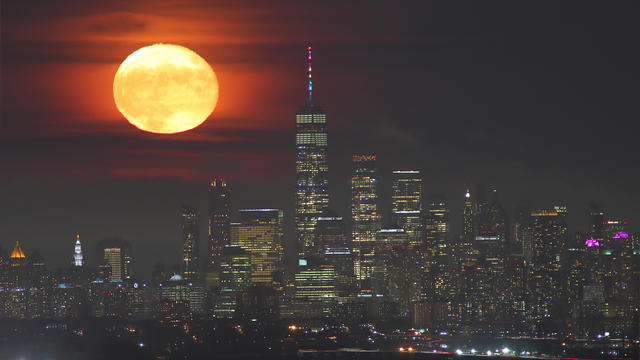
Around the world, people can catch a sweet treat in the night sky this weekend.
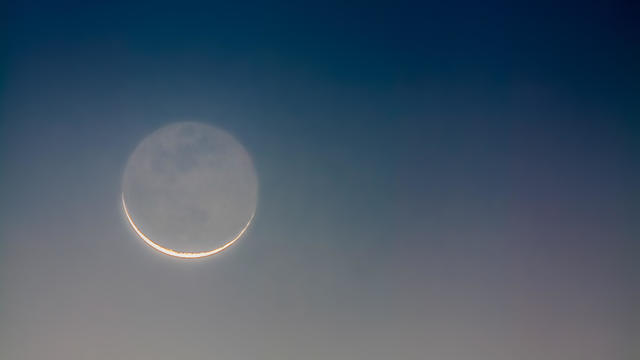
The phenomenon, once known as "Earthshine," occurs when the dark side of the moon is illuminated by light reflecting off planet Earth.
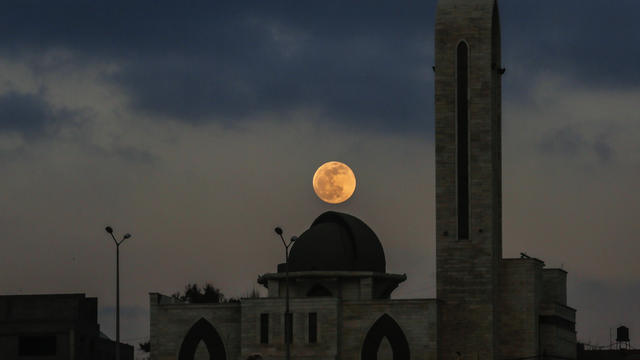
The flower moon is one of the names given to May's full moon due to the abundance of flowers associated with spring in the Northern Hemisphere.
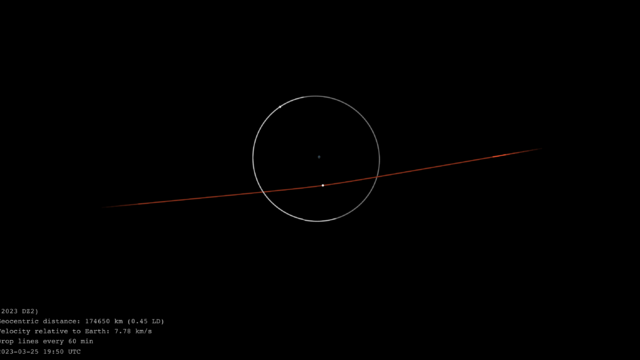
The space rock's anticipated trajectory places it at about half the distance to the moon, so people with telescopes may be able to see it from Earth.
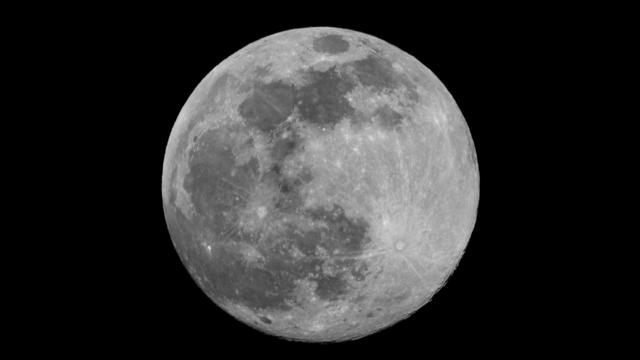
The 2023 "Worm Moon" will rise on Tuesday night.
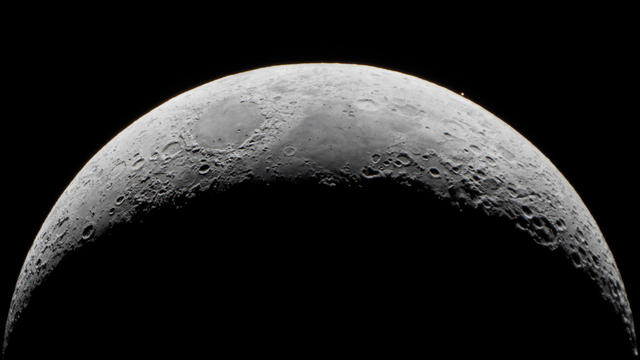
"Dec. 7 brings one of those magical moments when the sky changes dramatically before your very eyes," NASA said.