
"Extreme" G5 geomagnetic storm reaches Earth, NOAA says
The sunspot responsible for the odd series of strong solar flares is so big you can see it with your own eyes from Earth.
Watch CBS News
The sunspot responsible for the odd series of strong solar flares is so big you can see it with your own eyes from Earth.
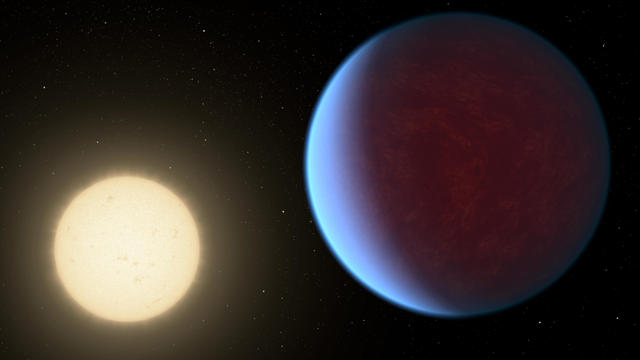
The so-called super Earth — known as 55 Cancri e — is among the few rocky planets outside our solar system with a significant atmosphere.
The visualization, produced on a NASA supercomputer, allows users to experience flight towards a supermassive black hole.
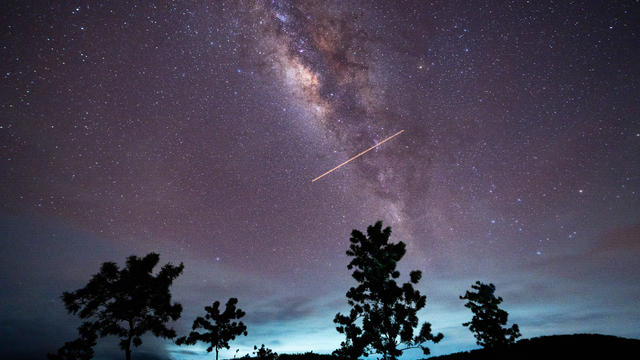
The Eta Aquariids meteor shower will peak overnight on Sunday into Monday, according to NASA.
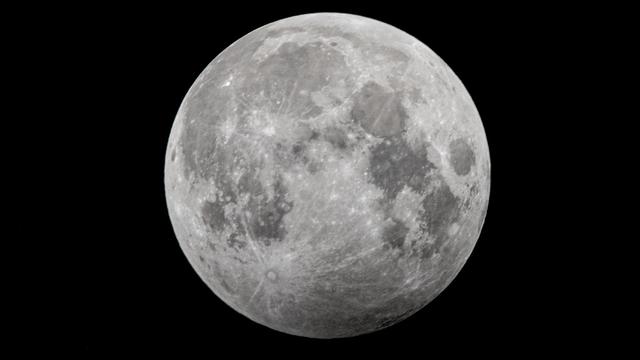
A process called cryopreservation allows cells to remain frozen but alive for hundreds of years. For some animal cells, the moon is the closest place that's cold enough.

The Lyrid meteor show is set to peak as the week begins.

NASA said it agrees with an independent review board that concluded the project could cost up to $11 billion without major changes.

NASA flight engineers managed to photograph and videotape the moon's shadow on Earth about 260 miles below them.
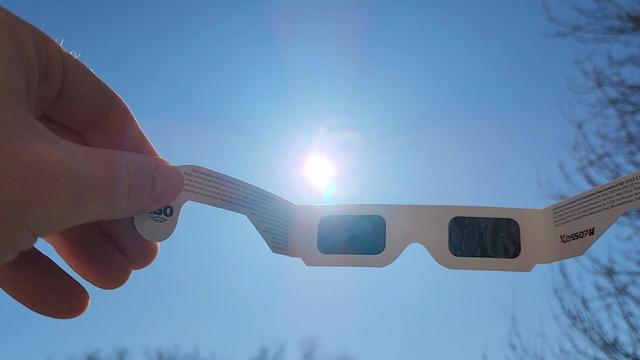
The next solar eclipses where parts of he continental U.S. will experience totality won't be until 2044 and 2045.

Total solar eclipses are rare. This list shows the history of the phenomenon in the United States.

The total solar eclipse will be visible along a 2,500-mile path. Meteorologists are closely monitoring the latest models, but historical data suggests those hoping to view the corona and see a fully darkened midday sky may find themselves dodging clouds due to April weather patterns.
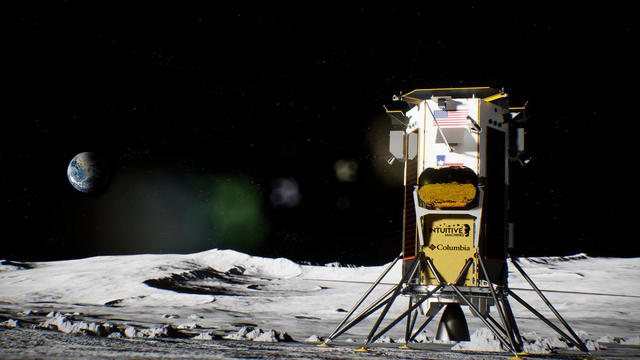
Intuitive Machines's Odysseus lunar lander became the first privately-built spacecraft to safely complete a moon landing.
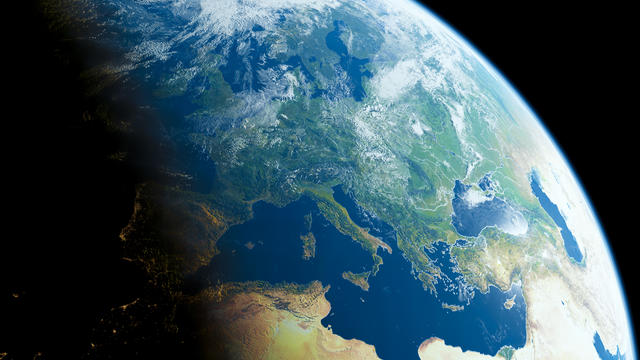
A satellite weighing about as much as an adult male rhinoceros re-entered Earth's atmosphere today over the north Pacific Ocean between Alaska and Hawaii.
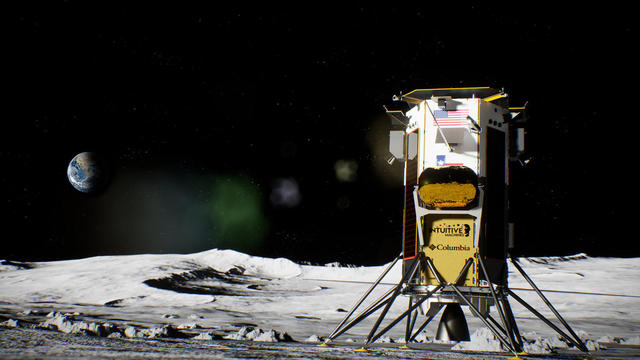
Now in lunar orbit, Intuitive Machines' Odysseus lander will attempt a touchdown near the moon's south pole Thursday.
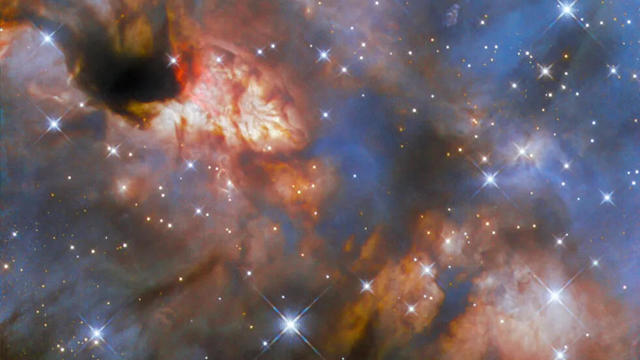
The Hubble Space Telescope captured a bold photo of the likely star forming about 5,900 light-years from Earth.