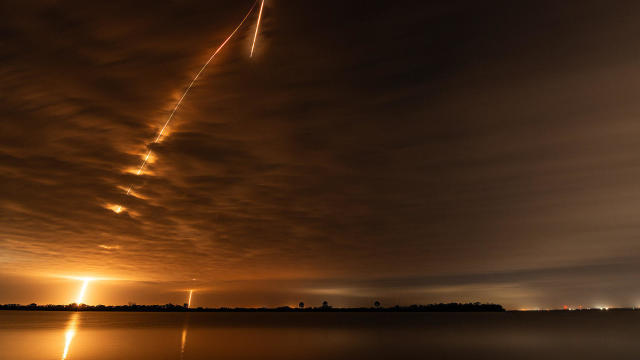
SpaceX launches NASA satellite designed to shed new light on climate change
The spacecraft's instruments will study how Earth's oceans, atmosphere and land masses interact and how that interaction impacts climate change.
Watch CBS News
The spacecraft's instruments will study how Earth's oceans, atmosphere and land masses interact and how that interaction impacts climate change.
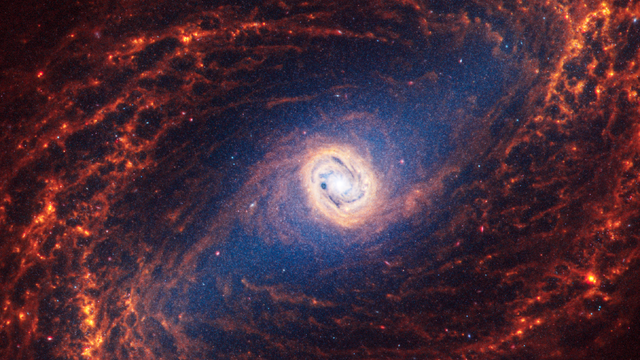
The new images captured by the James Webb Space Telescope are "mind-blowing even for researchers who have studied these same galaxies for decades," one scientist said.

Japan's SLIM lunar lander tipped over on touchdown, but still captured imagery of the moon while demonstrating high-precision landing technology.

January's first full moon, known as the Wolf Moon, will appear full for around three days, according to NASA.
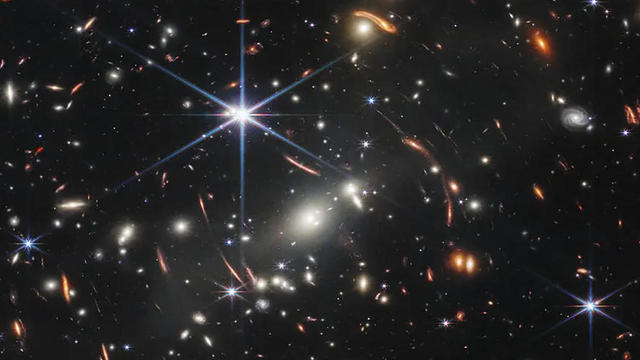
In the two years since the telescope was blasted into orbit, it has performed like a champ, capturing phenomenal images of the heavens and collecting data about distant planets – and scientists say it will continue for decades.

Astronauts in the International Space Station said they found the rogue fruit, dispelling claims that astronaut Frank Rubio ate it.

NASA revealed multiple new panoramic images of clouds and dust in Mars' skies, as well as one of its tiny two moons, taken last May.
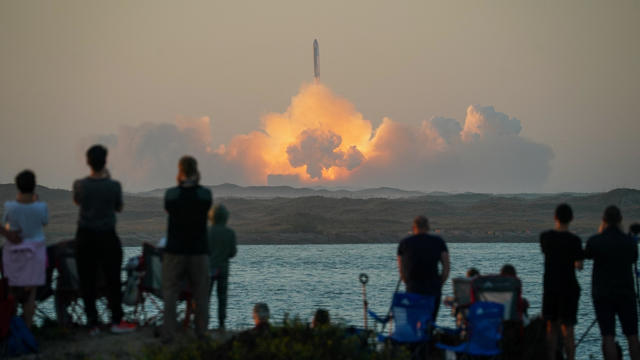
Seven months after a catastrophic failure, SpaceX launched its Super Heavy-Starship, the most powerful rocket ever built, but once again ran into problems.
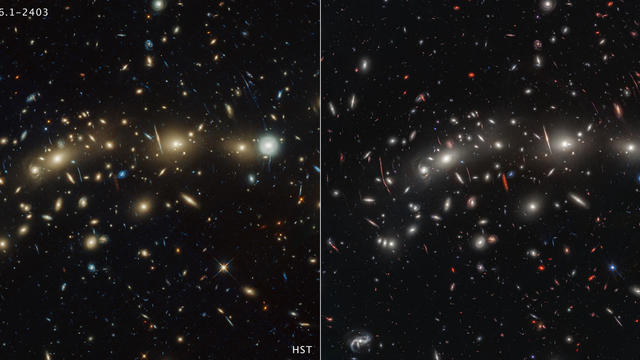
Sparkling and colorful images of faraway galaxy clusters recently released by NASA show one of the most detailed views of the universe ever taken.

Frank Borman flew on the Apollo 8 mission, the first NASA mission to leave low Earth orbit and reach the moon.
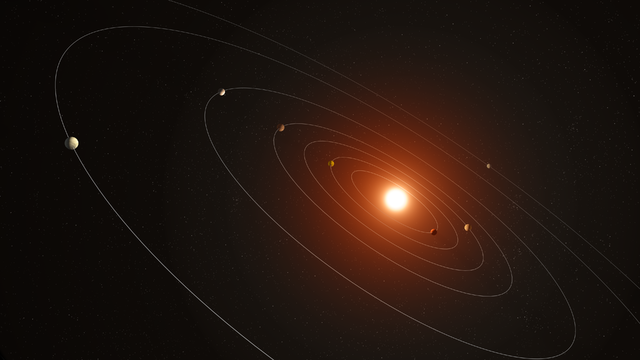
NASA described the planets as "scorching" and "bathed" in heat emitted by a distant host star.
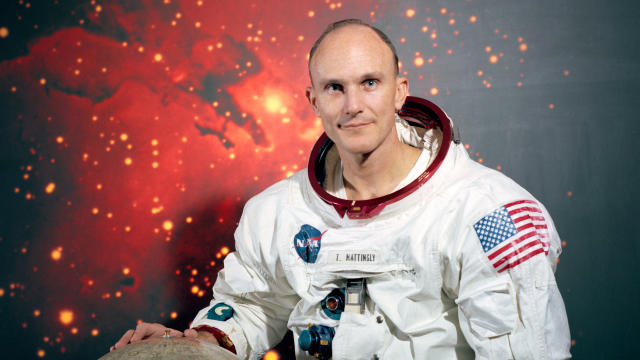
Mattingly was also known for being removed from the ill-fated Apollo 13 crew 72 hours before its scheduled launch.
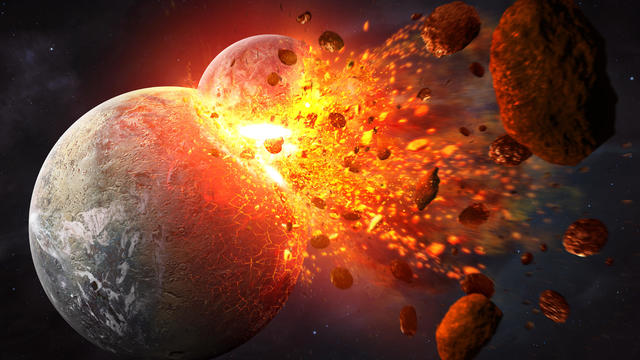
A new study says the collision with a proto-planet called Theia 4.5 billion years ago left remnants deep inside Earth — and also created the moon.
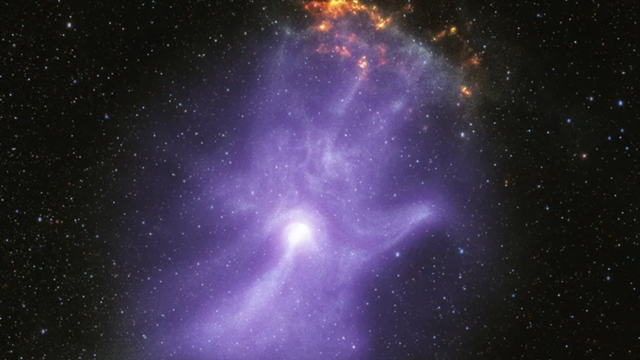
NASA's Imaging X-Ray Polarimetry Explorer telescope studied the nebula for about 17 days, the agency said, marking the longest time it has focused on one object.
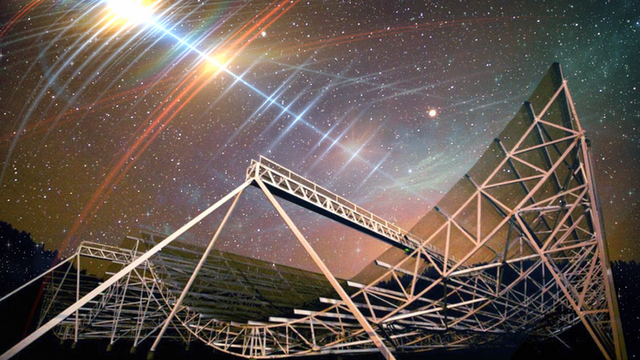
Exactly what causes fast radio bursts has become one of astronomy's great mysteries.