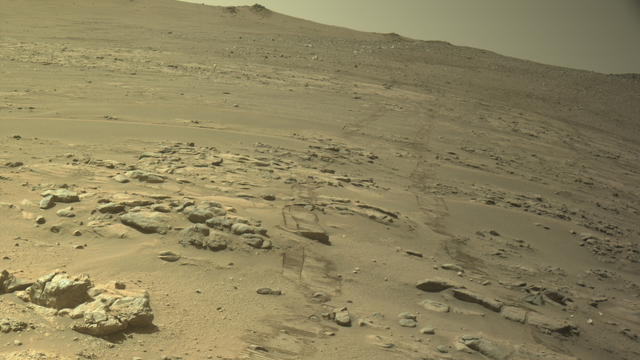
Mars rover sets new driving record on surface of another world
NASA's Perseverance Mars rover has set a new record for the longest distance traveled on the surface of another planet, the space agency said.
Watch CBS News
NASA's Perseverance Mars rover has set a new record for the longest distance traveled on the surface of another planet, the space agency said.
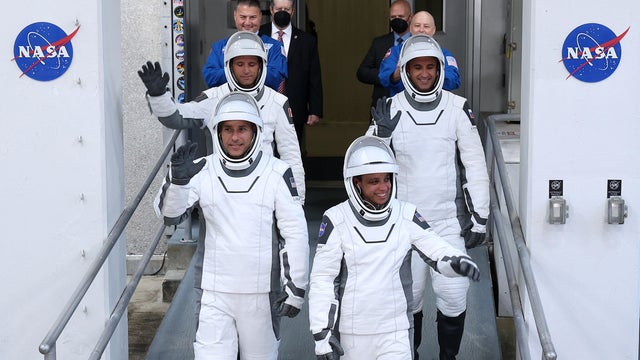
With the arrival of four fresh space station crew members, four others will head for home after 235 days in orbit.
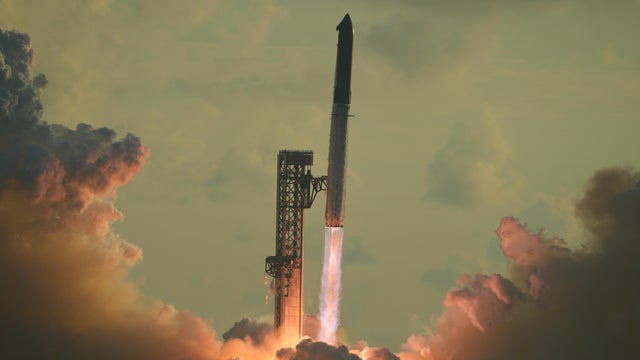
The Super Heavy-Starship rocket's 14th test flight, the first boosting the upper stage to orbit, marked a major milestone for both SpaceX and NASA.
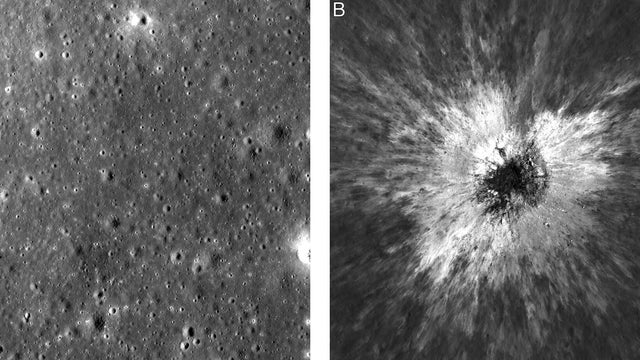
Scientists have discovered a crater on the moon that's bigger than the Roman Colosseum, the result of a powerful impact two years ago.
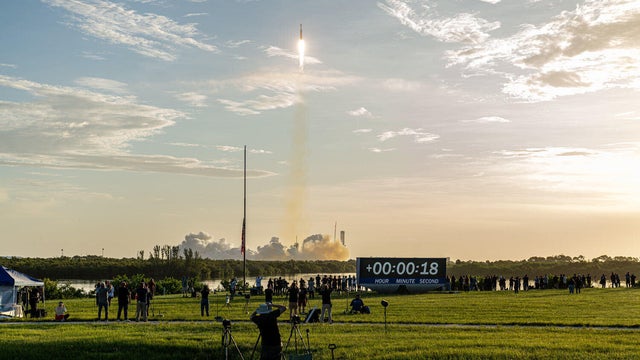
NASA's Roman Space Telescope launched shortly after daybreak from Kennedy Space Center and blazed toward an observation point 1 million miles away.
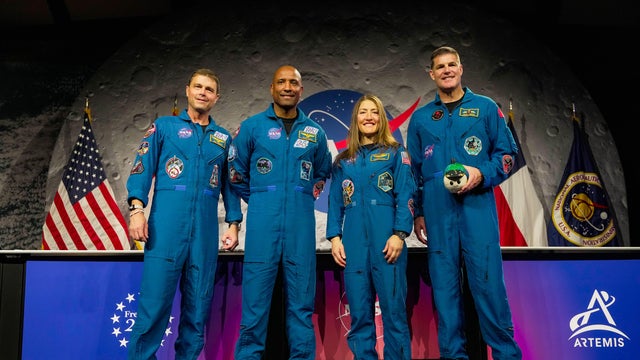
President Trump plans to award the Congressional Space Medal of Honor to the crew of NASA's Artemis II mission in a ceremony Aug. 28.
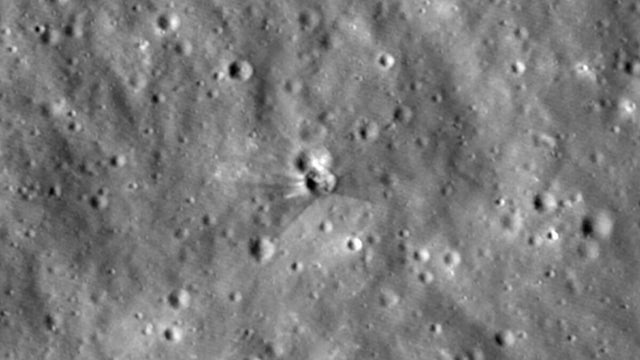
A NASA spacecraft circling the moon is providing the sharpest views yet of the crater carved by a crashing SpaceX rocket.
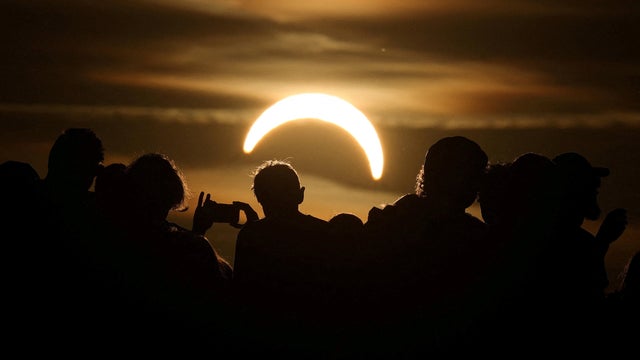
The only total solar eclipse of 2026 crossed the Northern Hemisphere Wednesday, with a path of totality across parts of Greenland, Iceland and northern Spain. See photos and video from the best viewing locations.

Researchers were able to peek at the sun's scorching surface with the help of the National Science Foundation's Daniel K. Inouye Solar Telescope, located on the island of Maui in Hawaii.
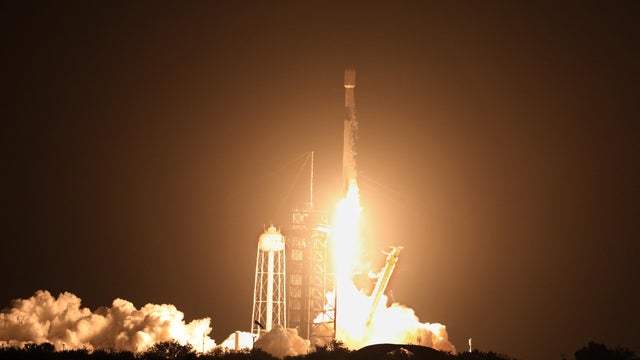
The impact wasn't visible to the naked eye, but photos are expected to come from a lunar satellite at a later time.
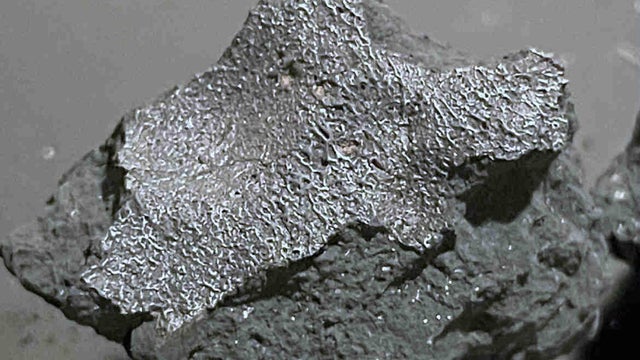
When scientists examined the preserved fragments of a meteorite that crashed in 2024, they found brine-like fluids and key molecules.
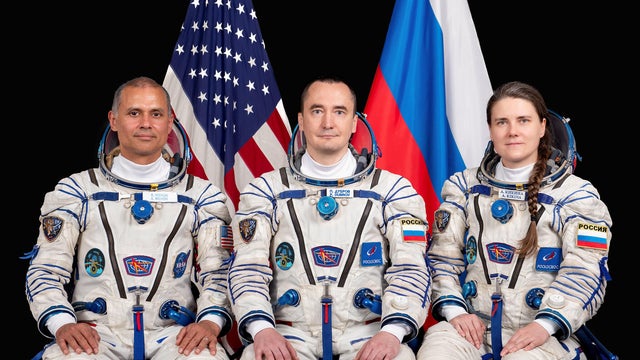
The new crew will replace three other Soyuz fliers wrapping up a 240-day stay aboard the International Space Station.
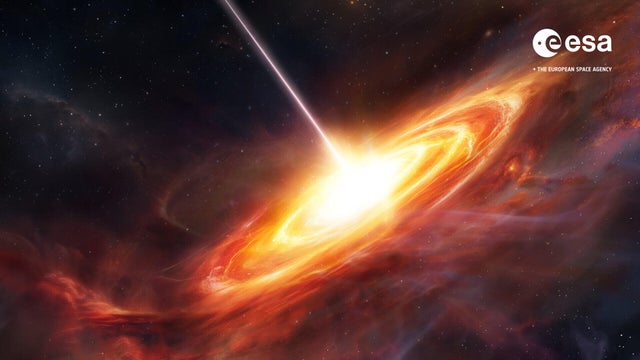
Quasars — the brightest objects in the universe — are powered by supermassive black holes at the heart of early galaxies.
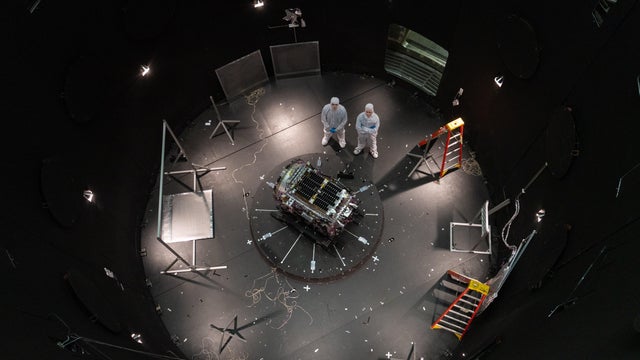
The $30 million salvage operation gets underway as soon as this week with the planned launch of a robotic lifesaver.
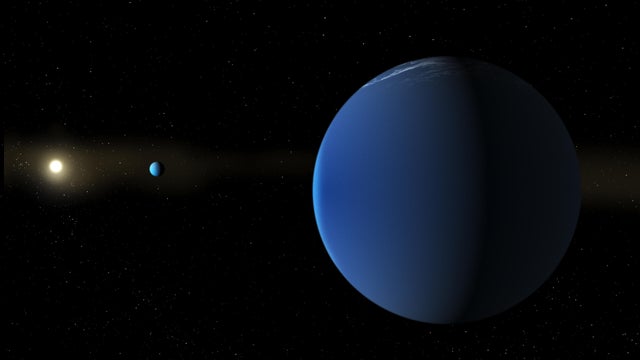
The featherweight pair — orbiting a star 1,110 light-years away — are the biggest exoplanets found to have less density than cotton candy.