Colorado bill aims to waive fees for some drivers behind on expired tags

Aurora's crackdown on expired vehicle registration enforcement has never been about punishing people who can't afford to renew their tags. But some Colorado lawmakers say those drivers shouldn't get a break either.
In a house bill passed in committee Tuesday, local authorities would be granted the power to enforce vehicle registration requirements.
The bill also includes amnesty for some drivers who have fallen behind on registration fees.
The bill allows local authorities to enforce the requirement for a vehicle to be registered in municipal court. For example, if an officer in Aurora stops someone for speeding, and they have expired tags, the officer can only write the tag citation to the county court.
According to Aurora City Attorney Pete Schulte, who wrote the bill, municipal courts have access to the Department of Revenue's system, and have the capability prosecute expired registration cases.
However, the law currently doesn't allow it, which forces officers to write tickets for county courts, leading to inefficiencies.
This bill enables local municipal courts to handle expired vehicle registrations, streamlining the process, and increasing enforcement.
The bill also includes some amnesty for people who have fallen behind on their registration due to financial hardship. A significant feature of the bill allows courts to waive penalties, specific ownership tax, and fees under certain conditions.
- Waivers for Penalties: If a person can show that their failure to register the vehicle was for good cause, the court may waive the penalties.
- Income-Based Waivers: If a person's household income is 150% or less below the federal poverty line, the court may waive past-due taxes. In cases where the household income is 100% or less below the poverty line, the court may waive all fees, taxes, and penalties related to the violation.
Despite the bill's intention to provide relief to struggling Coloradans, not everyone supports it.
State Rep. Alex Valdez, who represents House District 5, voted against the bill.
While he sympathizes with people facing financial hardship, he believes the law should be enforced equally for everyone.
"We all have to pay our fair share for these things to work for us all. Taxes are the only thing that's fair," Valdez said. "It's a lot of money to our counties, especially now with so much federal funding cut. They cannot afford a huge amnesty program that takes a huge chunk from them."
He says he often gets calls from residents who pay their registration fees and find it frustrating when they see vehicles with expired registrations on the road.
From potholes to crackling roads -- the state misses out on millions of dollars when drivers fail to register their cars.
"Not to mention the fact that those vehicles actually used the roads and the infrastructure and created wear and tear on them," added Valdez.
Schulte pointed out that under the bill, only a small percentage of people would qualify for the amnesty.
He estimated that only about 9% of Coloradans would meet the criteria, which includes household incomes below 150% of the federal poverty line. The goal of the amnesty period, according to Schulte, is to bring people back into compliance with vehicle registration laws, even if they have fallen behind by several years.
"Some counties worry this would limit the funding they receive from registration fees," Schulte said. "But the cities argue that these people aren't paying anything now, so it's better to get them caught up and start paying the yearly fee."
Both City of Aurora leaders and Valdez say they hear constantly from community members tired of seeing expired tags.
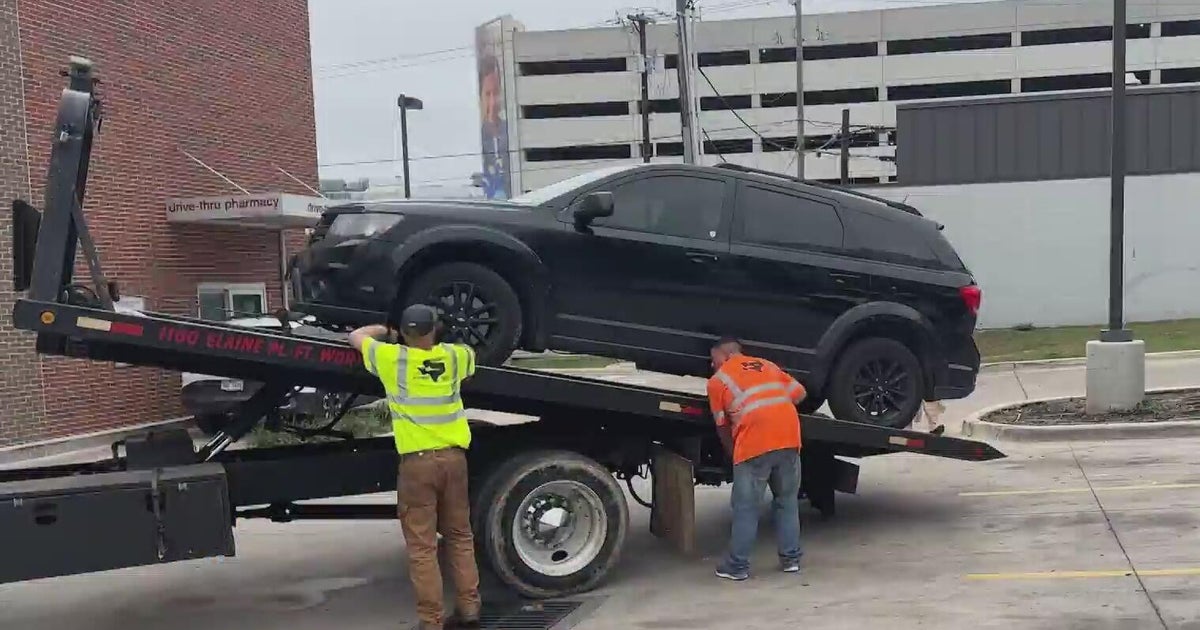
Last month, Aurora impounded 137 cars under the new three strike law that requires drivers to have current tags, insurance and a license.