U.S. set to impose 50% tariffs on Canada after failed talks; Canada to match them "dollar for dollar"
The U.S. imposed 50% tariffs on $20 billion worth of Canadian products early Saturday after last-ditch negotiations failed to resolve the latest strain in already tense relations between the historic allies. Canada's leader said it will retaliate beginning Sept. 8.
In a call with reporters late Friday, U.S. Trade Representative Jamieson Greer said Canada had declined to finalize the trade deal under the terms that had been agreed to earlier this week. He told Fox News on Saturday that there are "no new planned talks with the Canadians."
"We're moving forward with measures that respond to Canadian retaliation," Greer said, adding: "After a year of that retaliation, we've said enough, and so we've taken countermeasures. Our interest is in protecting American workers and protecting American supply chains. We've been offering to bring the Canadians along on that path, really to cut the tariffs on them, on steel, on tariff autos, even lumber, things that are sensitive for them, and they've always had the best deal, and they still would have an even better deal, but they didn't want that."
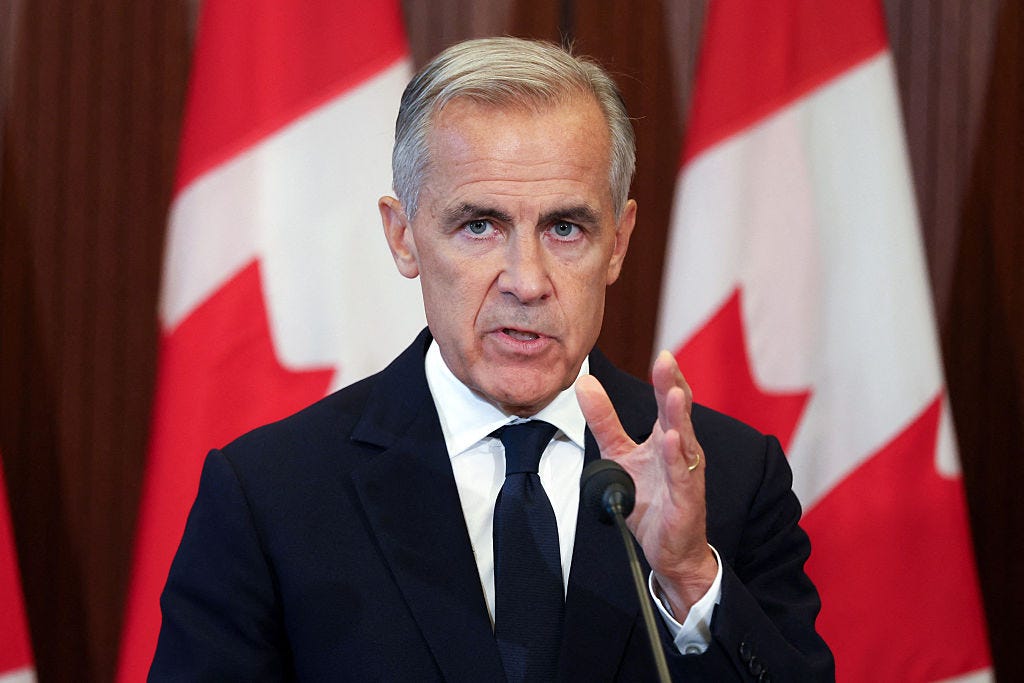
Canadian Prime Minister Mark Carney said Saturday that "in the coming days, we will release the details of these new tariff measures, which will come into force the Tuesday after Labor Day." The dollar-for-dollar retaliation would target steel, dairy, appliances, agricultural equipment, pulp and paper and electronics.
President Trump hit back early Sunday with a Truth Social post saying Canada wanted "the benefits of being a State, without being one."
"They have also charged our great farmers, for many years, massive amounts of Tariffs," Mr. Trump wrote.
Carney disclosed that Canada had been willing to drop remaining retaliatory tariffs on steel, aluminum and autos if the U.S. substantially lowered its own, and to encourage provinces to restore U.S. alcohol sales.
But he said Washington's final demands went too far, saying, "They asked too much and offered too little," Carney said.
"The new U.S. tariffs are designed to hurt us and divide us. They're a miscalculation. They're a miscalculation because Canadians will always take care of each other. We know we're stronger together," he said.
Canada sought concessions on Trump tariffs on steel, aluminum, autos and lumber that the U.S. was unwilling to provide, a senior Trump administration official told reporters. Carney blamed Washington for the breakdown, saying "last-minute changes in the U.S. proposed terms were unfair, uneconomic, and called into question the reliability of any deal." He said he had suspended negotiations and directed Canada's negotiating team to return to Ottawa.
President Trump's import taxes will hit about 5% of what Canada ships to the U.S. every year, including products ranging from hockey sticks to tongue depressors.
But the political impact will likely be even bigger than the economic fallout. Canada's threat to retaliate against the new tariffs with levies of its own will aggravate a trade fight between countries that sold each other $880 billion worth of goods and services last year.
The tariffs were initially supposed to kick in at 12:01 a.m. Wednesday. But Mr. Trump extended the deadline for three days to allow talks to continue, but the two countries still could not reach an agreement in time.
Earlier this week, Carney had said that "substantial progress has been made, although there is important work still to be done."
The breakdown in negotiations marked a sharp reversal from two days earlier, when officials from the two countries sounded as if they were headed toward a compromise.
Ahead of Saturday, the Trump administration had imposed a 10% tariff on goods from Canada, the U.S.'s second-largest trading partner after Mexico. However, most Canadian imports are exempt because they comply with the U.S.-Mexico-Canada Agreement, a trade deal signed during Mr. Trump's first term.
Mr. Trump has had a tense relationship with Canada over trade, NATO, a dispute over a Detroit-area bridge, and his threats to make Canada the U.S.' 51st state.
Ontario Premier Doug Ford, who leads Canada's most populous province, backed Carney's response, saying the prime minister had his "full support" for retaliation "tariff for tariff, dollar for dollar" and that "everything needs to be on the table."
The two countries had good reasons to find a compromise.
Nearly 72% of Canada's goods exports last year went to the U.S. The Trump administration might be wary of imposing new tariffs — paid by U.S. importers who try to pass along the cost to consumers via higher prices — before the November midterm elections. American voters are already frustrated with the high cost of living which has been aggravated by the war in Iran.