DHS watchdog warned of risks in airport shoes-off policy. The report got buried.

An internal watchdog report in the Department of Homeland Security identified serious vulnerabilities in TSA's screenings at airports nationwide, among them, one created by a change in the shoes-off policy — and the agency has yet to respond five months later, according to internal communications provided to House Homeland Security Committee staff and reviewed by CBS News.
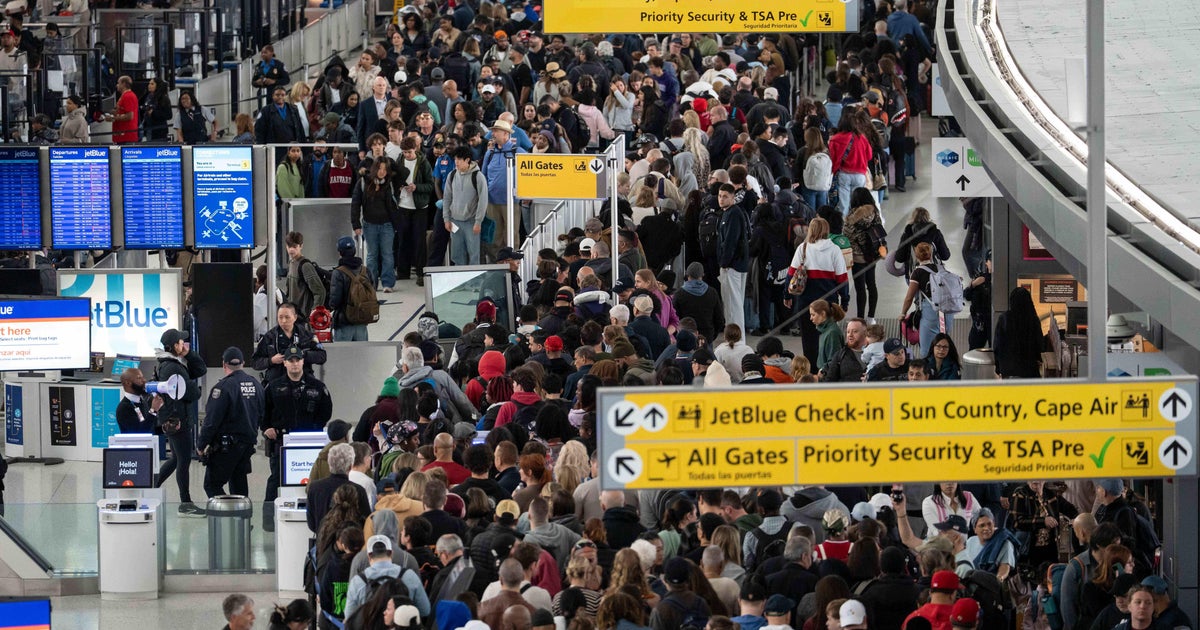
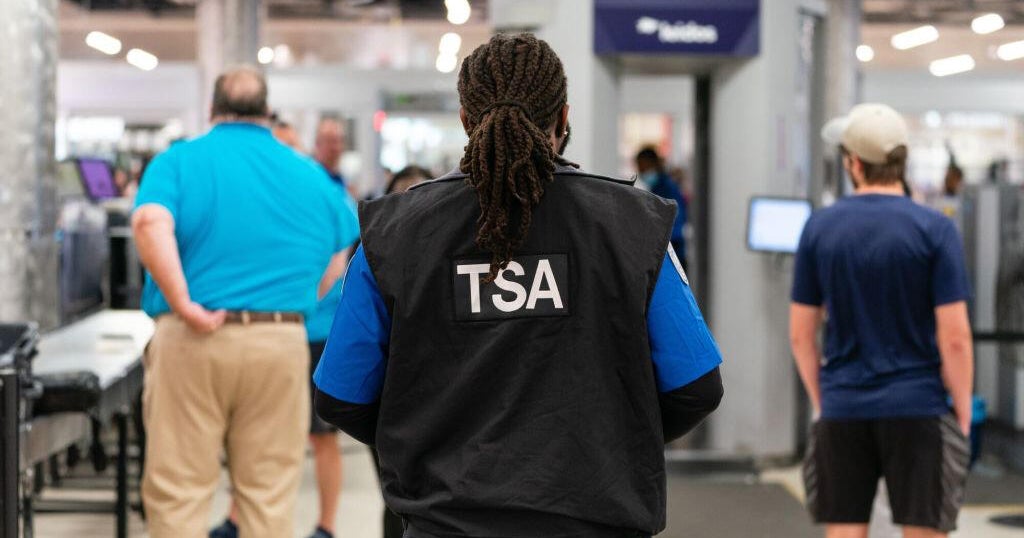
Airports nationwide are in disarray amid Congress' failure to approve DHS funding, with TSA agents having gone without pay for 40 days.
"Red team" warnings, real-world stakes
After a classified inspector general audit deployed "red team" testing of airport checkpoints — undercover audits in which investigators attempt to slip simulated weapons or explosives past screeners — investigators raised serious concerns about vulnerabilities in TSA screening procedures.
Investigators questioned if a politically popular 2025 policy change allowing passengers to keep their shoes on during screening may have outpaced the technology's ability to detect threats concealed in footwear.
DHS top watchdog undercuts Noem's sworn testimony
During previous sworn testimony, former DHS Secretary Kristi Noem told lawmakers that "all of the recommendations" in the inspector general's report had already been implemented.
But in a March 4 memo to TSA leadership, Inspector General Joseph Cuffari made clear his office has received no evidence — written or oral — to support that claim.
According to internal communications provided to House Homeland Security Committee staff and obtained by CBS News, the TSA has not submitted a required response to the audit— now nearly five months after the report's release.
In fact, auditors say they are still waiting for even the most basic step in the oversight process: A formal "management decision" outlining whether TSA agrees with the findings and what corrective actions it plans to take.
Without that, the recommendations remain, in official terms, "open and unresolved."
A report TSA couldn't see
The breakdown traces back months in connection with a rare, extraordinary decision inside of DHS.
According to inspector general correspondence, a key finding of TSA's red team testing was elevated to a Top Secret designation with strict distribution limits, restricting access to just 13 individuals across government.
In correspondence sent directly to Noem, Cuffari said the department provided a narrow list of 13 individuals designated by the DHS secretary herself, including just "three Members of Congress; two employees in OIG; seven employees in the [DHS]; and one employee in the Executive Office of the President." Cuffari added in his letter to Noem that the department also mandated that "any further distribution had to have your written permission."
Notably absent from that list: TSA leadership.
The result was the opposite of oversight: auditors had identified a problem, but the agency responsible for fixing it had been restricted from accessing or formally engaging with the findings for over five months.
Auditors repeatedly asked DHS leadership to lift or modify those restrictions so they could engage directly with the agency responsible for fixing the problem. According to the correspondence obtained by CBS News, those requests went unanswered.
Even Congress was indirectly affected: because of the same restrictions, Cuffari's memo noted that OIG had been unable to discuss the substance of the audit with lawmakers beyond a narrow, pre-approved group.
Repeated requests, no response
Under federal law and DHS policy, agencies must issue a "management decision" within 90 days, outlining whether they agree with findings and what corrective actions they will take. According to the documents obtained by CBS News, that process has not even begun.
"I am writing to inform you that OIG has not received such information — written or oral — from DHS or TSA, despite our requests to the Secretary and you for that information," Cuffari wrote in a March 4 memo addressed to Ha Nguyen McNeill, the senior TSA official performing the duties of the administrator. "Please promptly provide an original copy of the documents describing any actions the Department and/or TSA took on each of the recommendations and any supporting evidence."
In another February letter to TSA leadership, Cuffari warned that the response was already overdue, noting that his office had been "unable to substantively engage TSA on this project since September 18, 2025" due to the department-imposed restriction on who could see the findings of the red-team testing, dubbed Top Secret.
Cuffari urged the secretary to unwind the situation, writing, "I respectfully request that you rescind the portion of your September 18, 2025 memorandum that limited dissemination… This step would allow OIG to engage with TSA, the operational component… responsible for implementing any corrective actions." But according to Cuffari's memo, DHS did not do so. Nor did it meet basic procedural obligations.
A system that failed to respond
By early March, the disconnect hardened into something more stark. The paper trail shared with members of the House Homeland Security Committee illustrates repeated attempts to close a communication gap warning of national security implications.
Letters were sent in December, February and again in March requesting basic compliance: A written response, supporting documentation, any indication that the recommendations had been addressed. None produced an answer.
Even earlier deadlines slipped without acknowledgment: DHS did not submit technical comments on the draft report before its release, nor did it provide the required management response after the final report was issued on Nov. 1, 2025, according to Cuffari's memo.
TSA already under strain
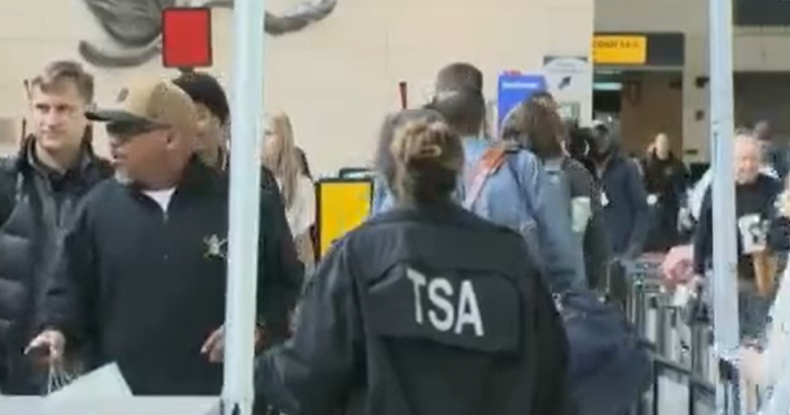
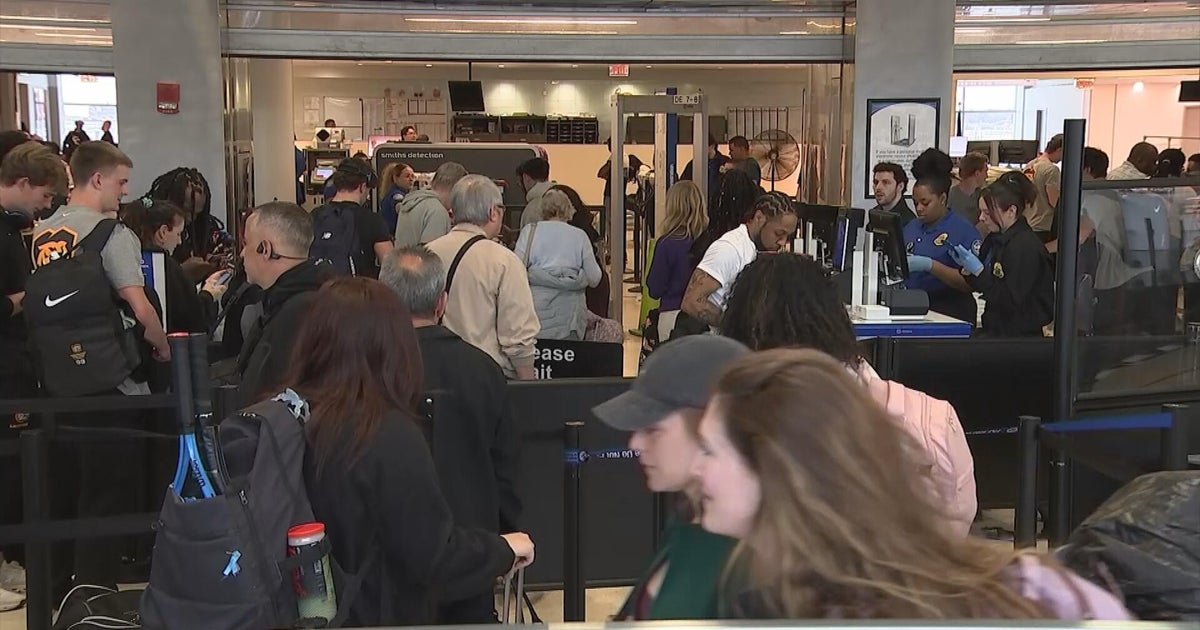
More than 450 TSA officers have left the workforce since the latest DHS funding lapse began, according to TSA officials, while callouts among frontline screeners have climbed into the double digits as the shutdown stretches into its sixth week. Airports are already contending with longer lines, thinner staffing, and uneven screening operations—conditions that amplify the potential consequences of any unresolved security gap. Against that backdrop, the failure to formally process and respond to identified security vulnerabilities raises a more fundamental question about whether the system can absorb both political and operational pressure at once.
The House Committee on Homeland Security — charged with overseeing DHS operations and empowered to compel testimony and documents — is now confronting a scenario in which a core accountability mechanism appears to have stalled entirely.
The revelation comes on the eve of a high stakes hearing, with TSA's acting administrator set to testify tomorrow before lawmakers in a panel centered on the DHS shutdown.
New DHS Secretary Markwayne Mullin was sworn in on Tuesday and is likely to interface differently with congressional staff and lawmakers seeking to probe not just what the TSA audit found, but why key findings of the report were classified as top secret, with access limited to just 13 officials outside of the agency responsible.