Thornton fire shows how mitigation needs are moving farther into Denver metro area

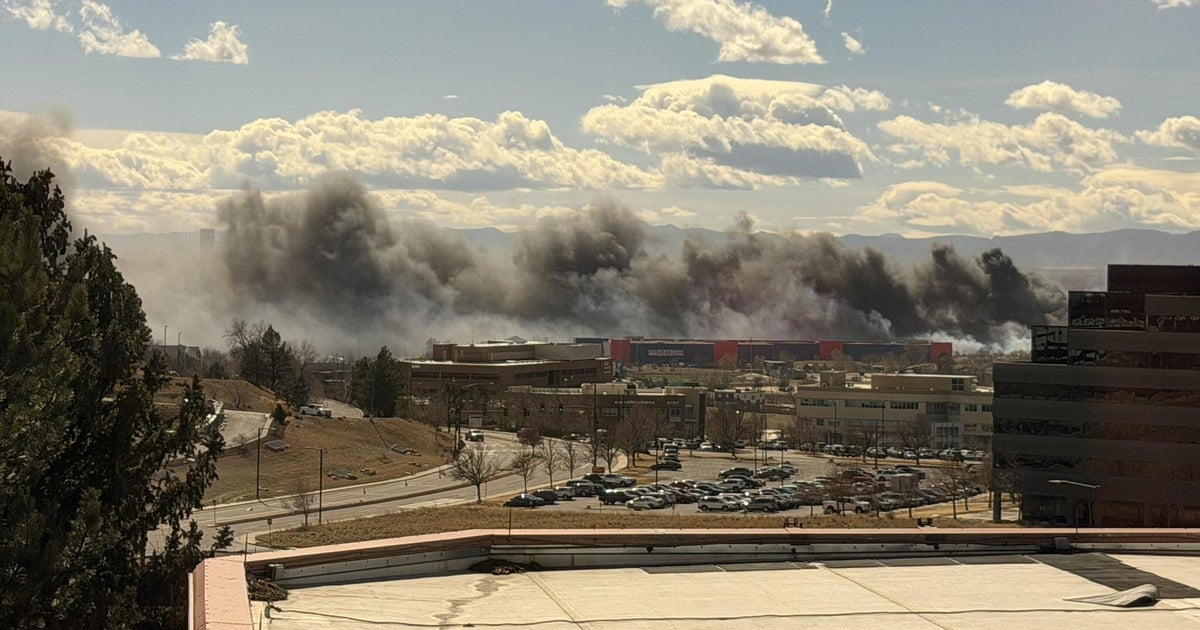
Fires like the one in Thornton on Wednesday are a wake-up call for homeowners in the Denver metro area to think about what's at risk and do what they can to protect their homes and neighbors.
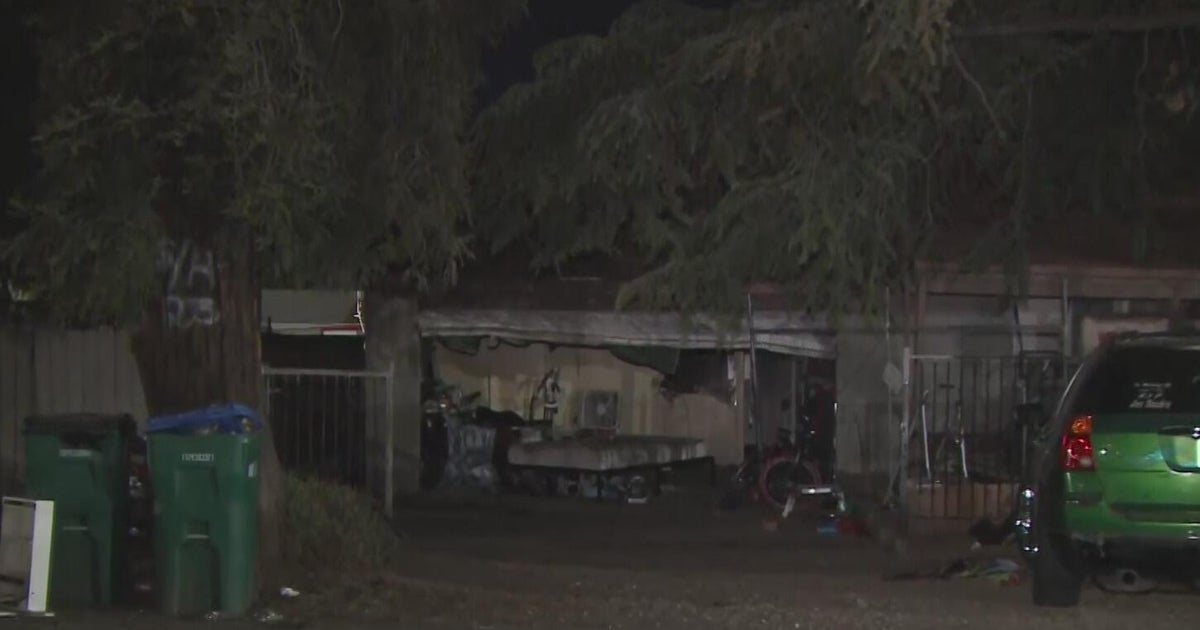
Five people suffered minor injuries when a fire broke out near 84th Avenue and Huron Street, prompting evacuation orders in nearby neighborhoods.
"I prayed, you know," said 87-year-old Feliciana Vaillalpando, whose home backs up to the greenbelt where the fire was driven by high winds. "I called my son on the phone, and I said, ' You'd better come home."
As a stroke victim, she doesn't move as quickly as she used to. She said her son looks out for her and her neighbors, too.
"I thought about her. But then I thought 'It's not coming this way,'" said neighbor Darlene Tafoya.
In the future, she said that she plans to think more about her neighbor. Tafoya said she has always thought about the potential of a fire in the greenbelt behind her home. Now that thought has hit home.
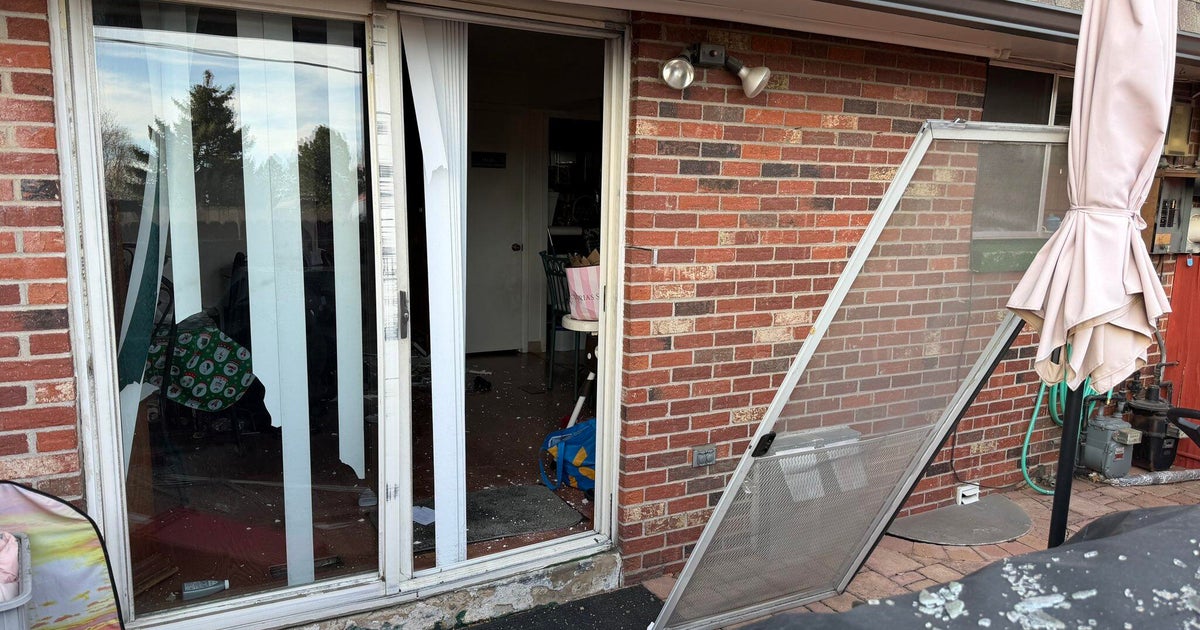
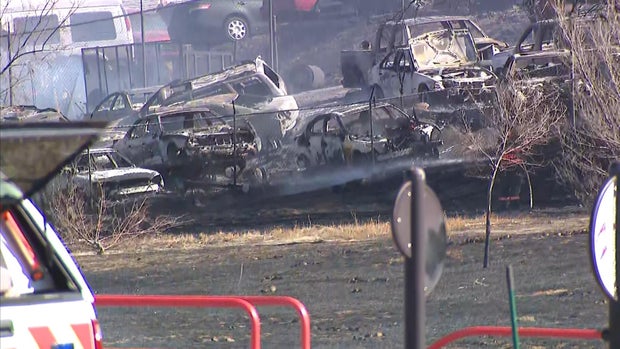
"Oh my gosh, it was like boom, boom," said Tafoya, recalling the explosions of gasoline tanks on cars that burned on the other side of the greenbelt, which runs parallel to 84th Avenue near Huron Street.
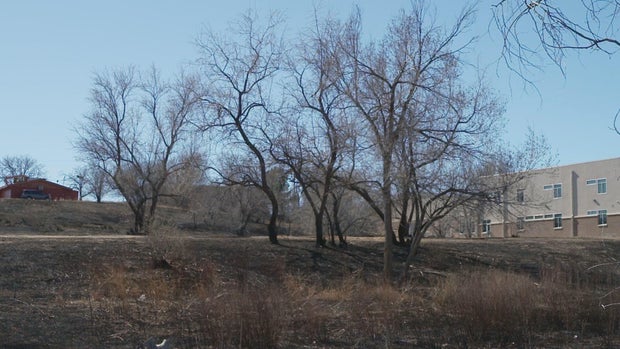
The good news is that some mitigation work has been done in the area. The Thornton Parks and Recreation department cleared much of the land to reduce fuel, which likely protected her home.
"I think it was about a month ago when they came and mowed this swath right here," Tafoya said as she pointed to the greenbelt grasses.
"We had fire spread up to the fence line but did not move into those residential properties," said Thornton Fire Chief Steve Kelley at a Wednesday news conference.
"In addition to the work of our parks and rec team to maintain that greenbelt and not allow vegetation to accumulate next to the fenceline, and the care the residents have done to make sure that their property is secured from vegetation. That is one of the key contributing factors to vegetation fire," said Kelley.
"I thought we've been in fire danger ever since we lived here. Because when the wind blows, it comes right down the creek," said Tafoya.
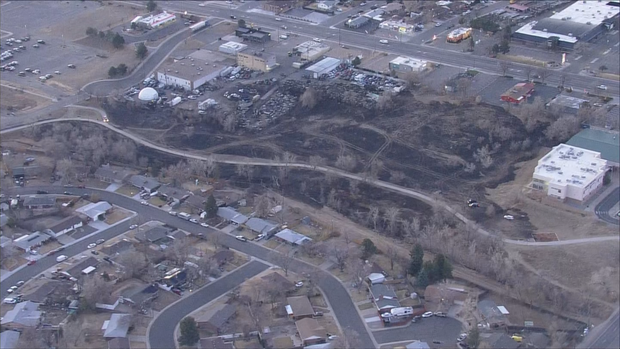
Parks and Rec cut all the way behind her home. But behind the home on the opposite side, where Vaillalpando is, Tafoya says they did not. The taller reed grass there is a dangerous fuel.
"When it hit that grass, it was right there; it was like setting off a pile of Kleenexes. It just went, woosh," she recalled.
Greenbelts are a big selling point for homes like theirs, but Colorado's drought conditions mean the risk of wildfire is increasing in areas like these.
"With these greenbelts being as dry as they are, when the wind catches those and starts blowing the embers, it gets up close to the houses," said Jamie Wood, operations chief with Adams County Fire.
The fire protection district was one of the departments assisting on Wednesday. They have wildland firefighting equipment at the ready.
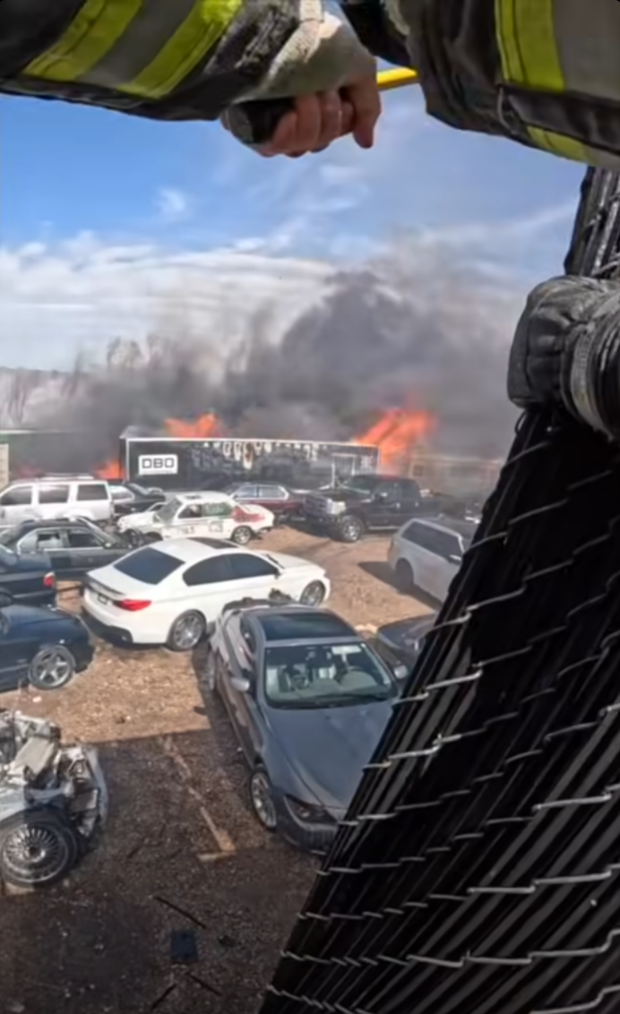
"That took over a pretty decent sized city block and had a lot of potential. Luckily, we mounted a pretty good response, and Thorton Fire did a great job mitigating that one," Wood said.
Wood notes that people in suburban areas of Adams County should be thinking about mitigation.
"I think any homeowner should look at their house the same as somebody that lives in the mountains as far as receptive fuels," he explained. "It's significantly different. And I don't know that it's always been, I think it's just more recognized now. Because we're starting to see these things happen a little more frequently."
He suggests people look at keeping grasses back from fences and homes.
"Take a peek around your house and say, 'Where could a spark land, and what could it catch, and how could it spread into my house?' And it doesn't have to be just vegetation. It can be patio furniture or stacks of firewood that people have right next to their house," he explained.
Changing regulations would help, but Wood said it would likely affect only new construction.
"A lot of these houses have been established for a long period of time," said Wood. "To require somebody to come in and rip down all their cedar picket fencing and replace it with stuff that's a little more fire resistant, I think that becomes an insurmountable task."