Protests and walkouts pose dilemmas for Colorado parents and schools
With students joining the protests over the Trump administration's immigration crackdown, parents and educators continue to grapple with tough questions, like whether it's OK to miss class and where the line between civics and politics is.
CBS News Colorado spoke to teachers and parents who offered different perspectives.
"Schools are places of learning, and civic engagement is super important, not just for students, but for adults, but we need to do it in a way that allows people to have balanced viewpoints," said Lori Gimelshteyn, who founded the Colorado Parent Advocacy Network, because she says parents are the primary authority in their children's lives.
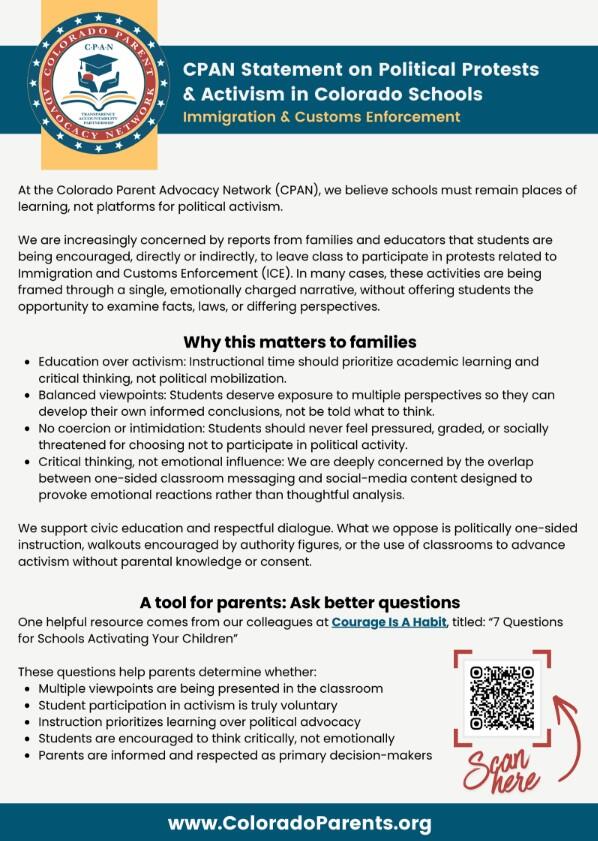
After hundreds of teachers called out to participate in the nationwide economic strike against U.S. Immigration and Customs Enforcement last month, her group developed a guide for how they'd like schools to address student activism.
"We're seeing a lot of influence in the classroom, especially around ICE and protesting ICE and being presented with one viewpoint, and encouraging students to also join a walkout and lead a protest," Gimelshteyn said.
The group's toolkit encourages parents to talk to their kids and the schools, offering specific questions to guide conversations.
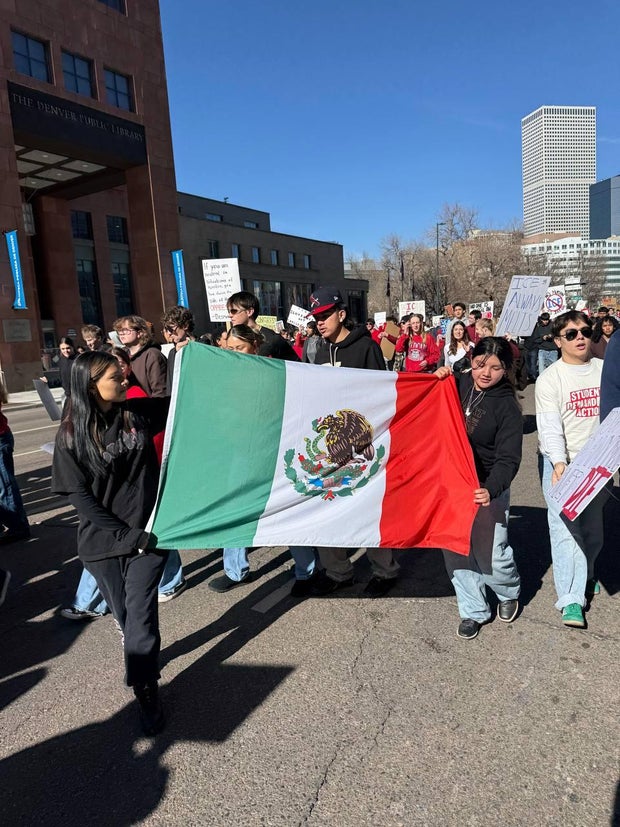
The state's largest school district, Denver Public Schools, says it "has never, and will never, encourage our students to leave school to protest for or against any cause."
"Our mission is to keep students in the classroom where they are safe, supported, and learning," DPS's statement continued.
The district says teachers must use personal time to call out; students are marked absent.
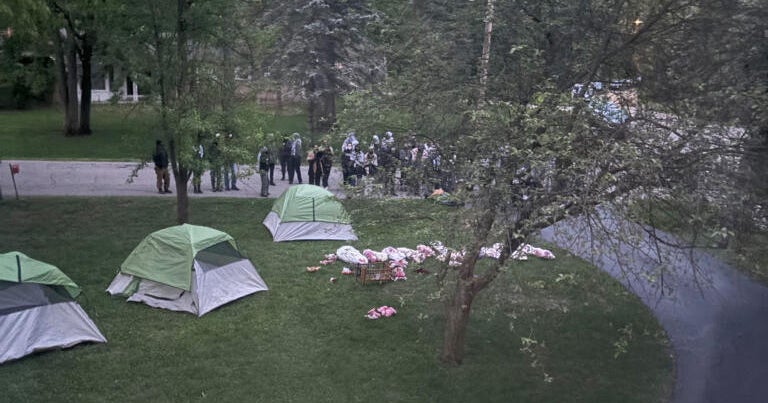
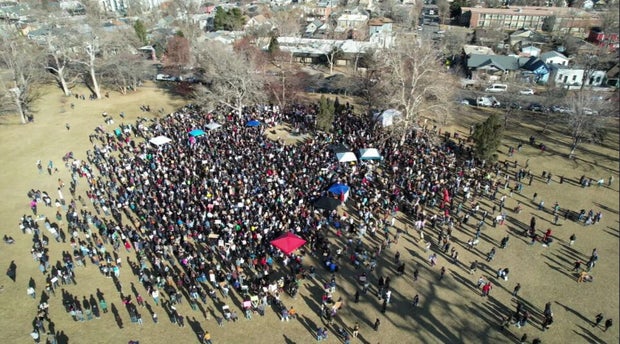
DPS high school English teacher Moira Casados-Cassidy shared photos she captured when she took a vacation day and walked with her students on Jan. 30. Her own kids' school shut down due to a lack of staffing.
"We've had a lot of our students who are experiencing fear coming to school," Casados-Cassidy said.
For Casados-Cassidy, the demonstration was about supporting the children in her classroom and "their right to have their family together, their right to go home feeling safe when they wake up the next morning with everybody there, safe and ready to go again. I don't think that's a question of politics. I think that's a question of basic human decency."
Priscilla Shaw Rahn is a DPS teacher who attended President Trump's inauguration.
"Our democracy said we want to have enforcement. We sent representatives to D.C. to create these laws for us. So this is something that we, the people, asked for and wanted," she said.
"The immigrant community, here in Denver and around the country," Casados-Cassidy said, "are people who are bringing so much joy and life and love and hard work into our communities. It's really a shame to write them all off as criminals. I think it's vile what's happening."
The debate over immigration enforcement is far from settled and increasingly visible in schools.
Last week, when students walked out of Morey Middle School to protest against ICE, they were followed by a DPS safety vehicle.
DPS says that if there is an organized student march in any grade that leaves campus, school staff and safety officers go along to ensure students' safety.