JBS strike in Northern Colorado could lead to beef prices increasing at grocery stores soon

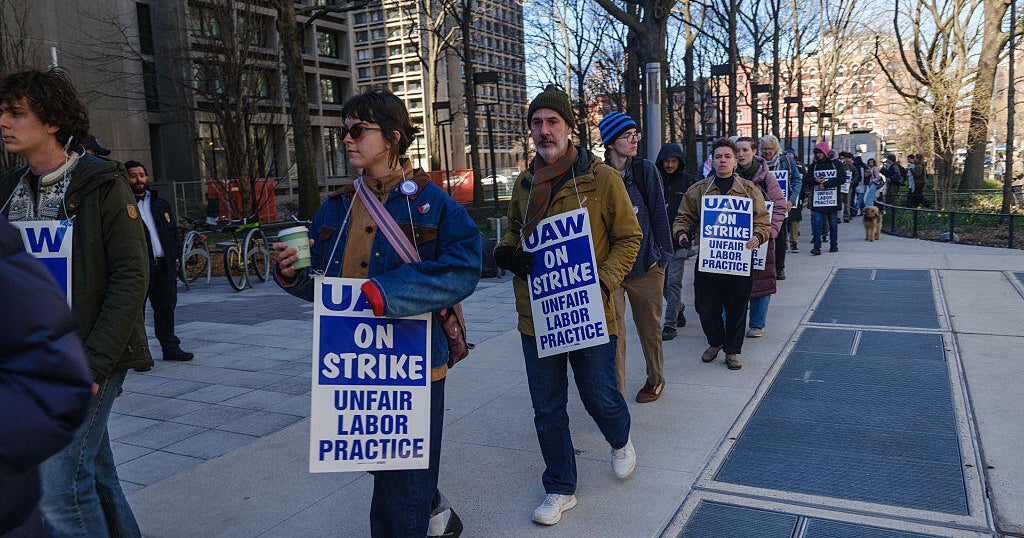
Hundreds of workers at the JBS meatpacking facility in Northern Colorado are going on strike. This is leading some industry experts to warn of a possible increase of prices of beef in the weeks to come.
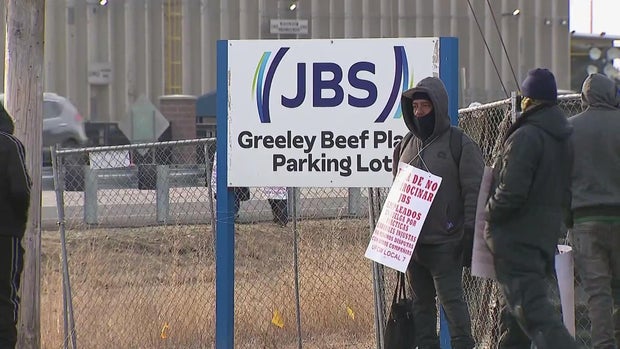
Workers with the UFCW Local 7 union began picketing outside of the Greeley JBS facility Monday after failing to reach a working agreement with the company. JBS is one of the biggest meat processing companies in the world and has United States headquarters in Greeley.
"Anytime there is a disruption in the supply chain, whether it is due to s strike at a packing plant, transportation issues or weather, there are risks of price impacts," said Jennifer Martin, associate professor at Colorado State University.
CSU in Fort Collins is one of the top agriculture schools in the nation. The campus has a meat processing and food industry building that allows students and researchers to study the meat processing industry.
Martin said there are many factors that are threatening the prices of meat in America, including the spike in fuel prices following the Trump Administration's recent decision to attack Iran. With an increase of fuel, and other inflation related issues, the strike at JBS is only likely to compound the issue at the grocery store.
Martin said it is difficult to pinpoint exactly how much the strike will cause beef prices locally to increase. However, she did have an estimate.
"I would say in the 10 to 20 cent range is pretty reasonable," Martin said.
While the local strike could affect beef prices soon, there are several factors across the board that could lead to more widespread impacts on beef prices in stores.
"We are at the lowest number of cattle in the U.S. in the past several decades," Martin said. "We have oil prices that are increasing, lots of other things outside the strike that are impacting the beef supply chain. While we might see slight upticks in price, it is hard to pinpoint how much of that uptick is because of the strike versus the external events that are happening in the supply chain itself."
In interviews with CBS Colorado, UFCW Local 7 union members who work at JBS in Greeley are accusing JBS of not prioritizing employee safety while also not offering what they say would be a fair compensation package.
JBS has not returned CBS Colorado's multiple requests for interviews in recent weeks. However, it has issued statements arguing the comapny is already paying employees competitive wages and is continuing to offer employees salary increases. The company has not responded to CBS Colorado about the allegations of not supplying sufficient safety gear to employees.
JBS has said, via statement, that it would outsource some of its processing to other plants around the U.S. during the strike as needed.
Martin noted that JBS's nearest plant is in Arizona, and that could make it difficult for cattle in the northern corners of Colorado to be transported that far for processing. In the end, it coudle come at a cost to more than just the consumer.
"Most immediately, the impacts would be felt by the local feed lots," Martin said. "So there is a trickle-down impact that we will see at the local farmer and rancher level."
Martin said she would expect the price impacts from the strike to come down very quickly once a strike is completed. However, Martin said Americans have proven of late that they are willing to pay higher prices for beef.