Families, ranch owner still at odds over southern Colorado land as Salazar report looms
Colorado Gov. Jared Polis is hoping there is progress this week in resolving a long-running dispute over a huge stretch of southern Colorado land, where access to a mountain, an 8-foot fence and a way of life are at stake.
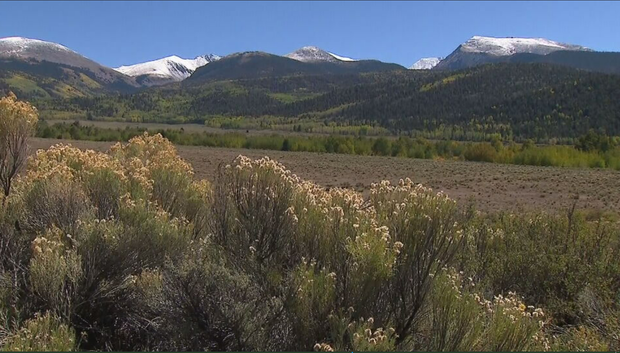
Families in the San Luis Valley say their practices using the land stretch back to the 1800s. The roughly 80,000 acres below Culebra Peak, a fourteener, have been privately owned for decades while also remaining accessible to the San Luis community. That arrangement has never been easy. CBS Colorado documented an earlier chapter of the conflict in a 1961 documentary, "San Luis Range War."
Locals know the land as La Sierra. Most recently, it has been the privately owned Cielo Vista Ranch.
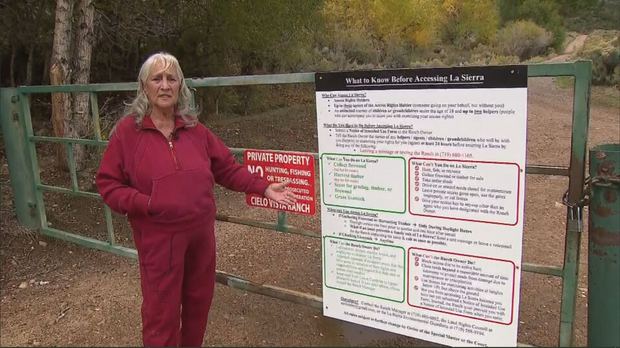
For generations, families in San Luis have held legal rights to use the land, including gathering firewood, grazing livestock and scouting on foot. They trace those rights to before Colorado became a state. The Colorado Supreme Court affirmed them in perpetuity in 2002.
"This is a land grant that was given to us in the mid-1800s, and we're going to fight for those rights, because it's part of our identity," said Shirley Romero-Otero, co-founder of the Land Rights Council.
She's worked on preserving those rights for five decades, since she was 21, and added, "It's part of who we are."
Ranch owner William Harrison said he knew about those rights when he bought the property in 2017. He spoke on condition that his face not be shown.
"I went in eyes wide open as far as what their legal rights are," Harrison said.
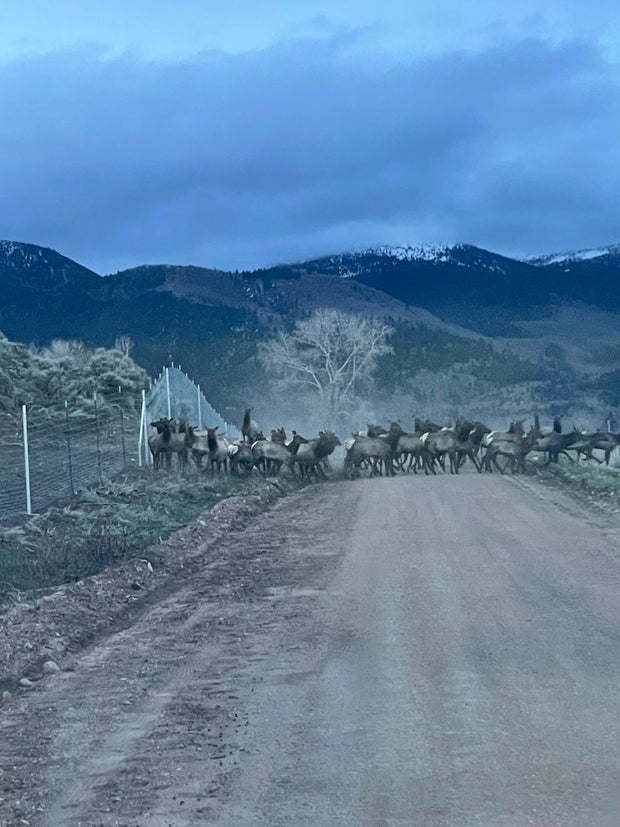
Harrison said he has dealt with illegal trespassing that goes beyond the easement rights, including poaching. He built an 8-foot fence along 26 miles to stop it.
"It made it a little harder for people to illegally come on and poach or dump trash, or whatever they might be doing," he said.
Access holders say the fence has created significant problems, including trapping wildlife and diverting water from community irrigation ditches.
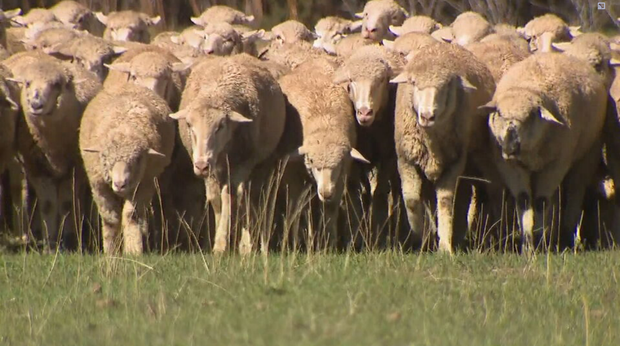
Richard Kuhn, a sheep rancher and farmer whose land borders Cielo Vista on three sides, said elk can no longer cross the fence near his stretch of property, so they stay in his fields instead.
"I have actually not cut hay in there for three years since the fence has gone up," Kuhn said.
Kuhn grew up in the area and has testified in court three times. He said all four private owners of the property have had one thing in common.
"Their main goal is to keep people off," Kuhn said. "That's what they have in common, is to keep the people off the mountain."
Access holders also object to cameras, security and signs requiring 24 hours' notice before entering the property.
"It's just ridiculous. This is totally unnecessary. It's cumbersome, and some people will stay away from exercising their rights because they don't want to have to deal with all of this," said Romero-Otero.
Harrison said the community is not shut out.
"They have nine gates, and they've got keys to the gate," he said.
He said efforts by Ken Salazar, former U.S. ambassador and interior secretary -- and a San Luis Valley native -- to mediate the differences have been productive.
"There's communication, and that's a good thing," Harrison said.
Kuhn is not optimistic.
"Nobody wants to give in," he said.
He thinks changes to the fence are necessary.
"I wish the fence would actually be a normal-size fence," Kuhn said. "That way it's not an eyesore, and it'll help the animals migrate the way they normally do or should."
Both sides say there is room to talk.
"There's the opportunity to get to a point where it'll just be a smoother relationship between the parties," Harrison said.
"We're always willing to negotiate and talk and see how we can all live in peace, utilizing our rights and giving Mr. Harrison his right to privacy," Romero-Otero said.
Harrison said he isn't interested in selling. Access holders say they will keep using the land as they always have. The question is whether talks can accomplish what more than six decades of litigation have not.
Salazar, whom Polis appointed as special envoy, is due to deliver his report and recommendations on resolving the Costilla County property dispute by Wednesday, Oct. 7.


