Douglas County School Board discusses controversial charter school and transgender athletes in Colorado

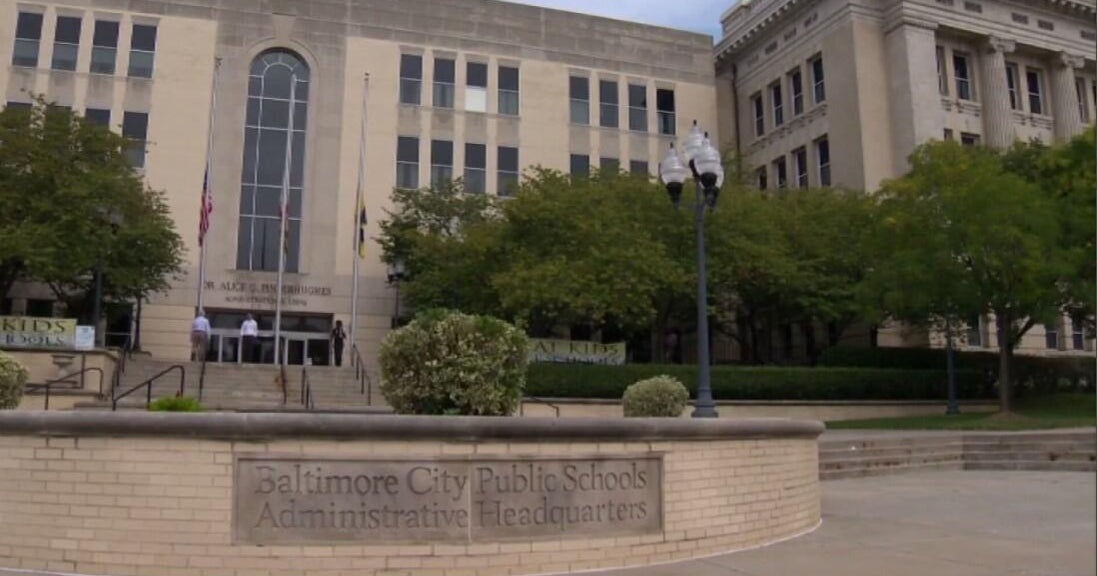
As of 9:45 p.m. Tuesday, the Douglas County School Board had not yet voted on a controversial resolution regarding charter schools in the Colorado county.
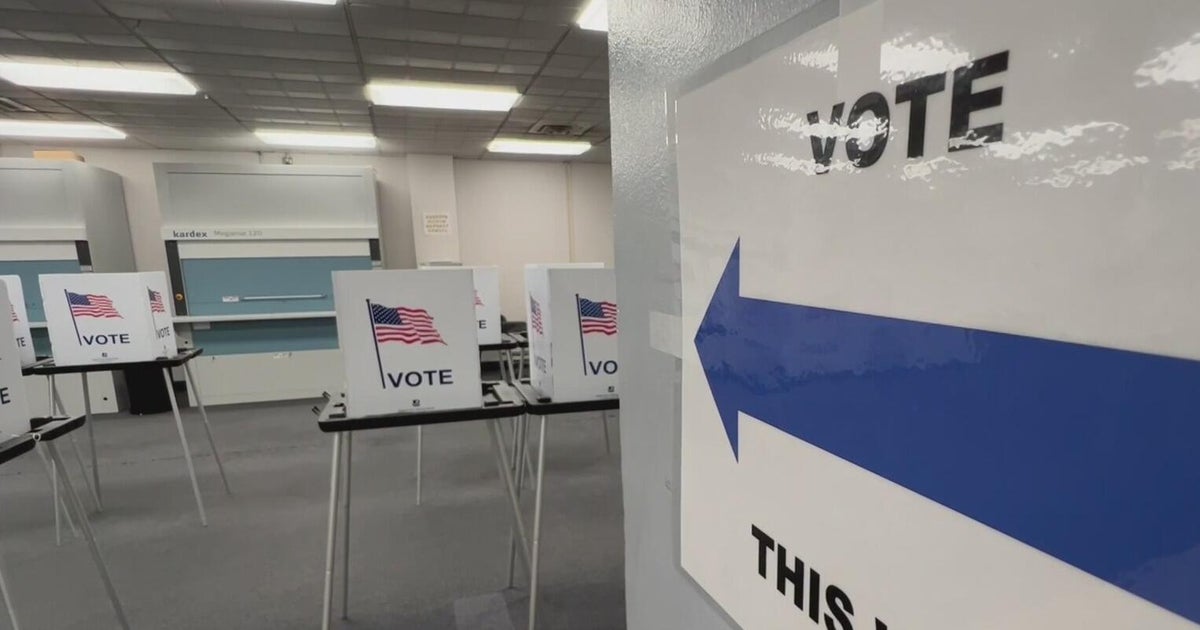
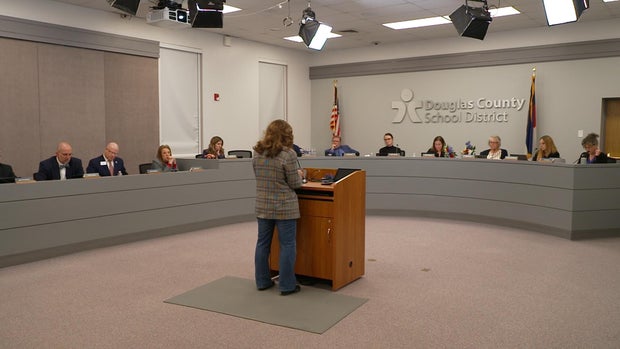
Douglas County residents packed the final school board meeting under the current board.
Last week, voters chose a progressive slate of school board candidates who ran on a campaign of data over politics, teacher retention and equal opportunities for students, flipping the board.
Clark Callahan, Kyrzia Parker, Tony Ryan and Kelly Denzler are expected to be sworn in in early December, joining like-minded current members Brad Geiger, Susan Meek and Valerie Thompson. The outgoing board members are Kim Moore, Becky Meyers, Kaylee Winegar and Christy Williams, who hold a more conservative ideology. The slate aligned with them in the most recent election, "Common Sense DCSD" ran on a platform of academic excellence, parents' rights and protecting girls' sports.
After the election, two items were added to the board's agenda for this final meeting: a resolution extending the contract term for charter schools to 10 years, and a discussion of transgender athletes in sports.
Both items drew controversy.
"I think it was a little suspicious. And I think it just revealed what their plan was," said community member Jennifer Iversen.
"It feels like just a last-ditch effort to give a nod to the conservatives, to me," said current DCSD School Board member Brad Geiger.
Dozens of neighbors showed up to Tuesday's meeting in person and online to make their voices heard during public comment on these items. So many people weighed in that the meeting ran about 40 minutes behind schedule.
The majority of commenters spoke out against the proposed resolution that would give charter schools in Douglas County the ability to operate under 10-year contracts rather than the current five years. Many shared concerns over this resolution, saying it would reduce oversight of public schools and tax dollars.
"I think it's really reckless. I think it's not really paying attention to what we look at at each year's renewal, which is, are they academically strong? Are they being there for all students," Iversen said. "As a taxpayer, I want to know that they're financially sound. I don't want to be worrying about DCSD having to take on their debt because they're a failed charter."
Geiger planned to vote against the policy, saying the final resolution was submitted to the board at 4 p.m. Monday, not giving the public enough time to review it. Other board members raised concerns about the legality of the resolution.
"I don't think it's a good policy. Our charter schools do an excellent job of educating about 25% of our kids, but to set up a process where they are without public review for a whole decade is not how public dollars should be spent," Geiger said. "I like having charter schools come in and telling us what they do and having conversation with them about what they can do better. To set that off for 10 years is not good public policy. It's not a good way of supervision. I don't think it's good for charter schools."
But other community members support the resolution, saying high-performing charters would benefit from not having to renew their charter contract so frequently.
"It makes absolute sense and is best practice across the nation to have longer contracts to make sure there are ways for teachers, parents and students to all maintain their stability. And frankly, when it comes down to it, there are ways that the board, if there is a problem with the charter school, can absolutely look at fixing that. If it doesn't fix it, rescind those issues. So this is a no-brainer for me," said Allyson Rydwell, community member and campaign manager for the Common Sense DCSD slate.
In a presentation to the board, a charter school representative said if the resolution passed, charters would still have annual reviews and much oversight.
The second controversial agenda item added was a discussion on a resolution called "Preserving Safety and Fairness in Sports" that would effectively ban transgender athletes from competing in sports as the gender they identify as.
"We've never had a case where a trans student has somehow denied or harmed another child. As far as we know, we may not have had any trans students compete, and I don't care. I want every child who comes to our district to feel safe and welcome," Geiger said. "We're talking about 10-, 11-, 14-year-olds. Let's not choose a small group to demonize."
"I think it's actually a nothing burger. I don't know of any reports of that happening in Douglas County," said Iversen.
While many public commenters shared that sentiment, others worried about the safety of biological female athletes and said there are inherent biological differences between boys and girls that necessitate separate competition.
"Unfortunately, it's dangerous in a lot of ways. Boys and teenage girls are very physiologically different, and that concerns me in a lot of ways," said Rydwell, who has a transgender daughter and says she respects everyone's right to live their life how they want. "My big concern is making sure that biological girls keep their scholarships without having to battle boys."
Transgender sports was a discussion item, so board members did not vote on the resolution Tuesday.