Over 600,000 Colorado residents could lose SNAP benefits as food banks struggle to meet rising need
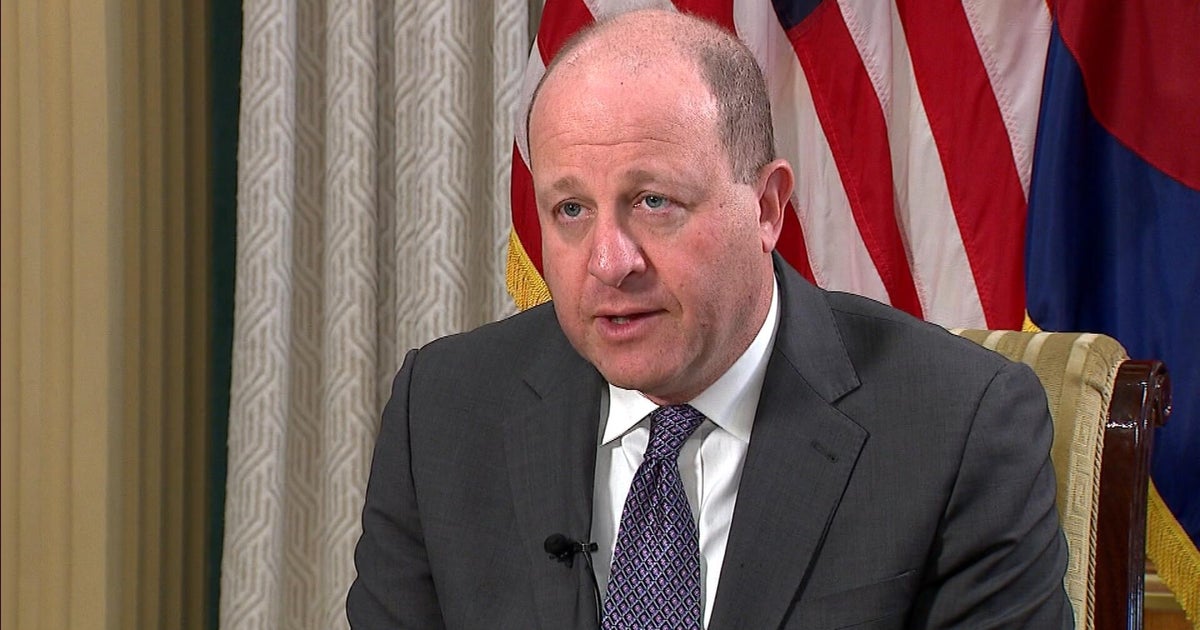
Gov. Jared Polis and other officials across the state have warned that thousands of Coloradans who depend on the Supplemental Nutrition Assistance Program will struggle to have enough food for themselves and their families as of Nov. 1. This comes as food banks are already struggling to meet an increase in those needing help across the country.
Congressional Democrats and Republicans are in a standoff over a budget dispute, which resulted in a federal government shutdown on Oct.1. Senators have failed to pass a bill to fund the government and end the shutdown 10 times thus far. The shutdown is now the third-longest funding lapse in modern history and will continue at least through Monday. Members of both parties have shared comments blaming the other for the stalemate as they continue to fail to come to an agreement.
Due to the shutdown, the U.S. Department of Agriculture will not send states money for November SNAP benefits, said Polis, and states will be unable to put money on EBT cards until funding is restored. He said that the state does not have the resources to fund the program on its own.
"Due to the shutdown of the federal government and Congressional Republicans' inability to govern responsibly, on November 1st, 600,000 Coloradans who access the federally funded Supplemental Nutrition Assistance Program (SNAP) initiative for food could lose the ability to feed themselves and their families," said Polis. "Colorado families and children could go hungry without access to SNAP, and the State of Colorado cannot fund this federal initiative to the tune of $120 million per month or $1.48 billion per year."
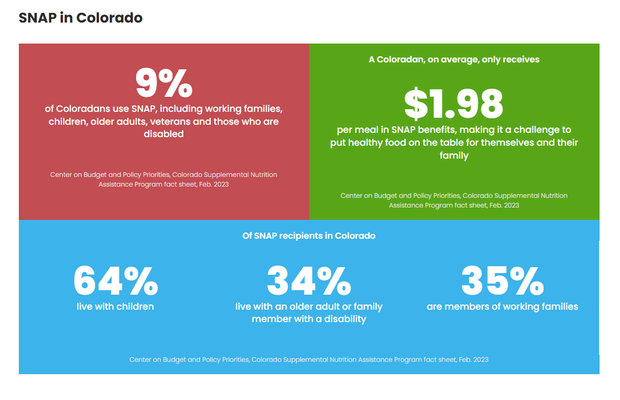
Over 300,000 Colorado households, including 614,911 people, rely on SNAP benefits. Half of those are children, 10% of recipients are seniors, and 15% of recipients have disabilities.
Polis said they're looking at ways to help feed families and support people if the shutdown continues past the 1st. He encouraged residents to reach out to local food bands and community resources.
Mile High United Way Chief Operations Officer Wade Treichler said the 211 Call Center will be able to help those in need find assistance.
"We've been here before. Colorado is well positioned to weather a crisis like this. We have a robust food pantry system, and our 211 system can help to make referrals across the state," Treichler said.

Mile High United Way has operated the 211 Call Center for the past 23 years. The center takes calls from over 30 counties across Colorado and helps connect callers with resources in their communities for food, utility assistance and more. Call center "navigators" also help callers who qualify to sign up for SNAP benefits.
Treichler said the center receives around 1,300 calls a month from people seeking help with food benefits, but that number can increase to 2,000 a month during the holidays.
"With the benefit potentially going away in November due to the shutdown, obviously, we could see an increase, and that's a cause of some concern for us," Treichler said.
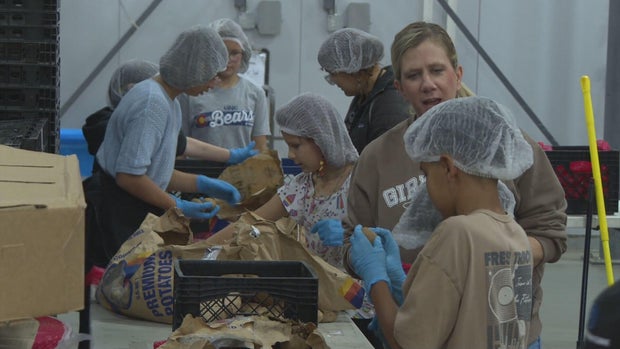
Many community resources are already stretched thinner. Food banks across the country have been experiencing growing need and fewer donations. Both visitors and staff at the Weld Food Bank have noticed that demand is on the rise.
It's something Weld Food Bank's Director of Marketing & Communications, Weston Edmonds, says they often see people lined up around the block, stating, "We're at about 30,000 visits a month, up about 230% in folks coming just for our emergency food program."
Edmonds said demand is outpacing the amount of money and food they receive, and that the pantry can't provide the amount of food for each meal that it once could. He says many people are struggling to buy food due to increasing prices at grocery stores and gas pumps, and that the problem will likely grow once the community starts to see the impacts of cuts to SNAP and Medicare.
In Weld County alone, almost 40,000 people could be without the SNAP benefits they qualify for as of Nov. 1.
"There will be a lot of families throughout Weld County who will need additional assistance with basic essentials if the November benefits are delayed," Weld County Department of Human Services Director Jamie Ulrich said in a news release on Thursday. "This will put even more pressure on local resources, such as community food banks, to try to provide assistance to families in need."
She said that the department will continue to process applications and redeterminations despite the shutdown, as they expect benefits to resume once the shutdown is over.
As things are now, Edmonds says the food bank may need to take up to $700,000 out of its reserve funds to keep supplying the food needed.
"Money just doesn't last as long as it used to. Ultimately, it is going to make an impact on the people of our community," he said. "So, helping us bridge this financial gap helps us to make sure when someone comes in, we can give them good food. Good food their kids will eat and they will eat."
If you or someone you know is struggling to afford food, resources to find help are available through the Colorado 211 website. You can also contact them by dialing 211 or calling (866)760-5489. Those in need of assistance can also find their nearest food banks through the Feeding Colorado website or by emailing info@feedingcolorado.org.
Contact your local food bank for more information on ways you can help volunteer or donate.