Colorado man living with cerebral palsy training to take on marathon
A Colorado man living with cerebral palsy was told he would never be able to walk, but now he's training to take on a marathon.
One of the most ordinary things we do was once something 41-year-old Brandon Schlauder was told would never be possible. The pain wasn't just making it harder to walk; it was getting in the way of the life Schlauder wanted.
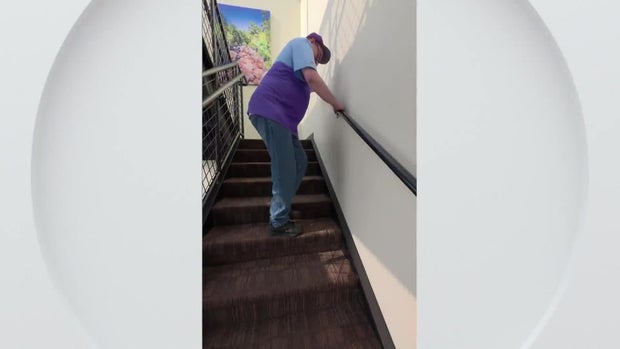
"People think it's easy to walk, but with CP I have to think when I walk," said Schlauder. "I can do things I couldn't do before. I can walk backward [now].
"His right side and left side had deformities from when he was young that evolve over time, and it's part of what CP can create. And he was getting to the point where he was having trouble walking particularly because of pain on the right side," University of Colorado Associate Professor of Orthopedic Surgery Dr. Daniel Moon said.
Ultimately, Schlauder needed surgery. But Dr. Moon said he's never had to take a step alone.
"I don't think Brandon's ever come alone. [He's] always had a big network of friends, supporters, people who are really, you can tell, that care for him," said Dr. Moon.
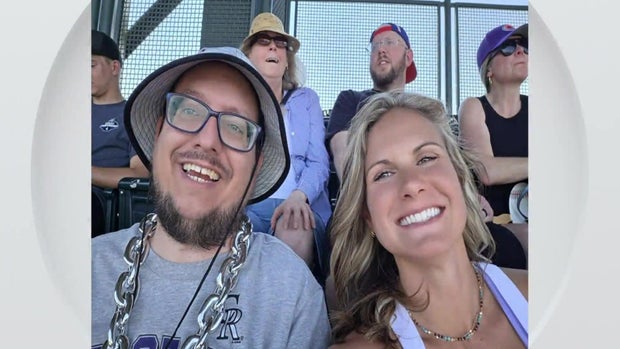
During their 19th year of friendship, Kayln Bonn and Schlauder have done it all together, from Rockies games to 5ks. Now they're practicing for their biggest adventure yet.
"After I crossed the finish line of the Boulderthon in September, he said, 'You've inspired me. I want to run on my own,'" Bonn shared.
The marathon is 26.2 miles, and Schlauder has a lot of people ready to help him get there. Bonn will be one of 20 guides helping him along the course.
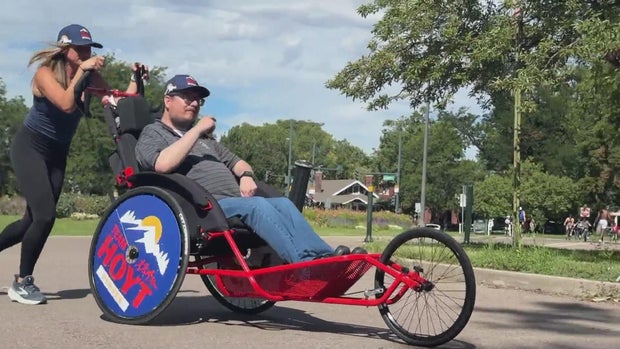
"The fire department is gonna take on 12 miles of Boulderthon for us, people from the Achilles group that we met here at Washington Park. And it's just been incredible to see everybody come together and prove you can make the impossible possible," said Bonn.
For all of these people coming together, it's about more than just getting Schlauder across the finish line.
"The goal is to raise money, but yet speak for people with disabilities that can't speak for themselves," said Schlauder.


