Some Northern Colorado lakes and reservoirs near capacity as surrounding communities enforce water restrictions

Several towns and cities across Colorado's Front Range are already announcing, or considering, water restrictions before the summer has even arrived. The decisions are largely coming amid record-breaking heat and a winter that had very low snow levels in both the Rocky Mountains and the Front Range.
"The message of conserving water is good every year. That being said, this is a year with very low snowpack and we recognize there is going to be less water in our streams," said Jeff Stahla, spokesperson for Northern Water.
Northern Water is one of the state's largest drinking and irrigation providers, predominantly serving Northern Colorado communities in Larimer and Weld counties.
Some of their customers, individual towns or cities, are telling their residents to prepare for or adhere to water restrictions of late.
Northern Water has many water resources across the region, anchored by reserve resources like Horsetooth Reservoir in Fort Collins or Carter Lake near Loveland.
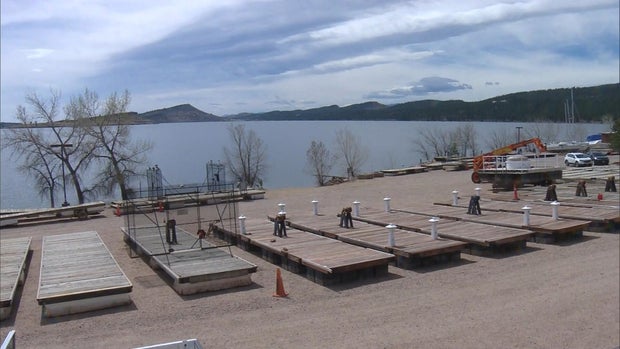
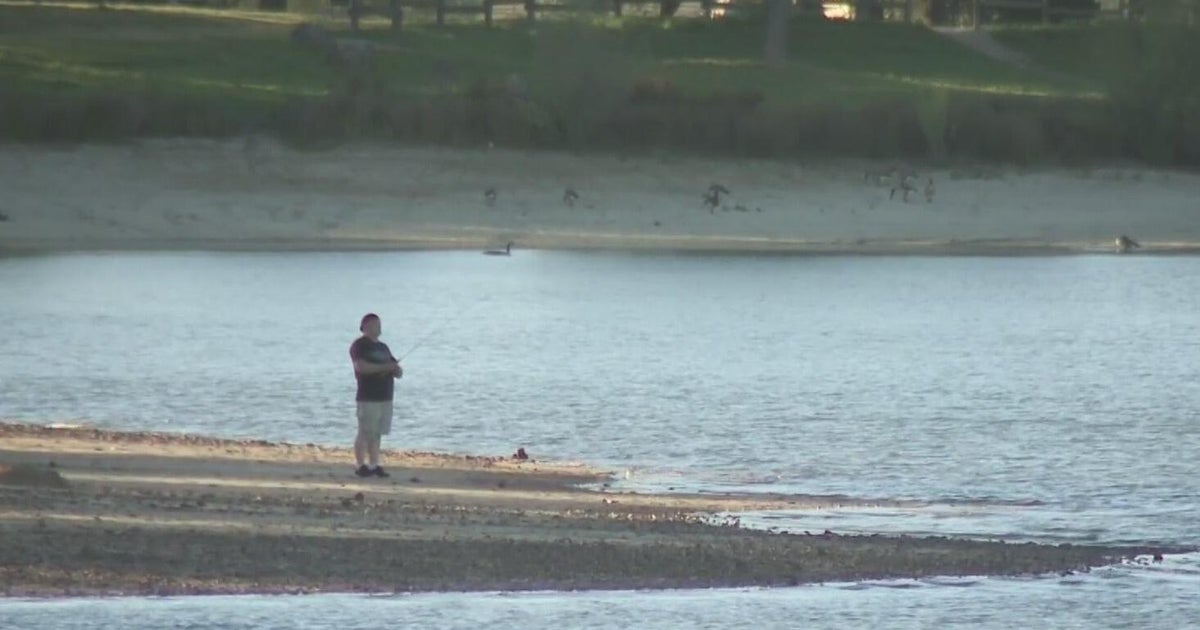
If you drive by, or recreate at those lakes you may notice they are very close to capacity. That may leave some to wonder why people downstream from those resources are being asked to conserve water.
"We really want to have those reservoirs at peak condition as we go into growing season," Stahla said.
Stahla said, as of right now, water restrictions are coming from individual entities and not from Northern Water itself. However, he said some of the communities enforcing such restrictions are being cornered into doing so by the amount of water they currently have access to.
Erie, for example, is one of the communities currently threatening to cut off water access to residents who are overusing water at this time. Erie gets their drinking and irrigation water, in part, from Northern Water.
However, Erie's water supply is reliant during winter and spring season upon a relatively small pipeline. That means, amid the warm weather Colorado has had of late, an increased demand for watering lawns is not compatible with the town's reliance on the pipeline's limited output.
Per their contract with Northern Water, Erie would need to wait until at least April 1 to get water flowing down a canal. The canal then allows for more abundant access and use of water in the town.
However, Stahla noted the access to lakes like Carter Lake and reservoirs like Horsetooth are not designed to be relied entirely upon for unlimited access to water. Rather, they are considered reserve stockpiles of water that can be released during dry seasons like we have experienced.
Otherwise, towns and cities are asked to rely upon snowmelt from the mountains as their primary source of water.
"The water in Carter Lake and Horsetooth Reservoir has been brought over from last year's snowmelt that was collected in Lake Granby," Stahla explained. "It is meant to supplement the available supplies we get from our local rivers."
While Northern Water tends to delegate reserve resources to their customers from April 1 until Oct. 31, the board for the provider is expected to vote on allocation amounts for this year on April 9.
Stahla encouraged those with lawns to hold off on watering their grass, noting that is will survive the dry conditions for a few more weeks. In the meantime, he encouraged people to water their plants, shrubs and trees by hand to conserve water.
"Just because we have water available does not mean we have the ability to use water in ways we wouldn't be as efficient as we normally would have for a year like this," Stahla said. "We encourage everyone to use water efficiently and be thinking about not just this summer but summers into the future."